The Company — In Their Season
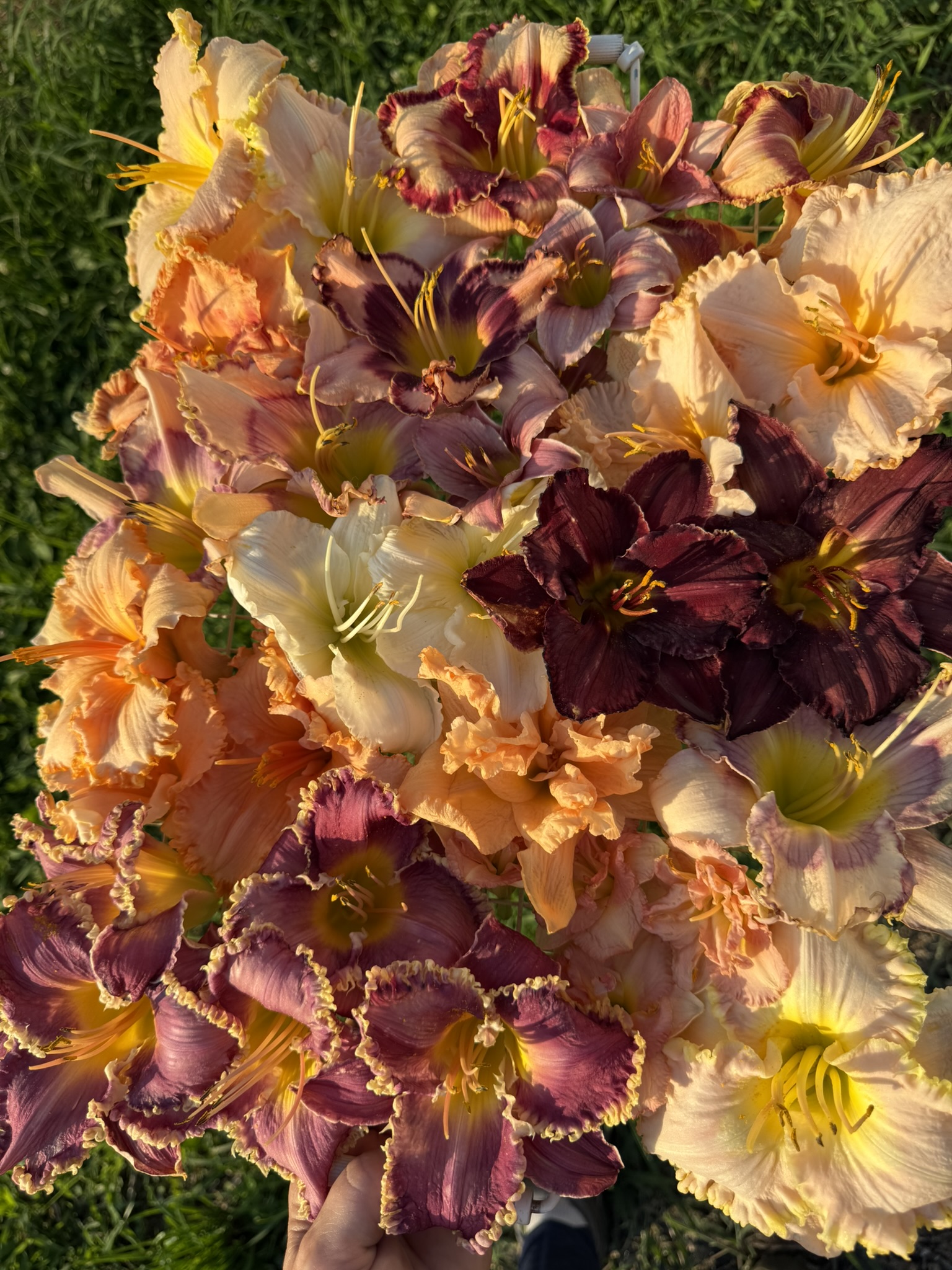 The whole cast. One day in July.
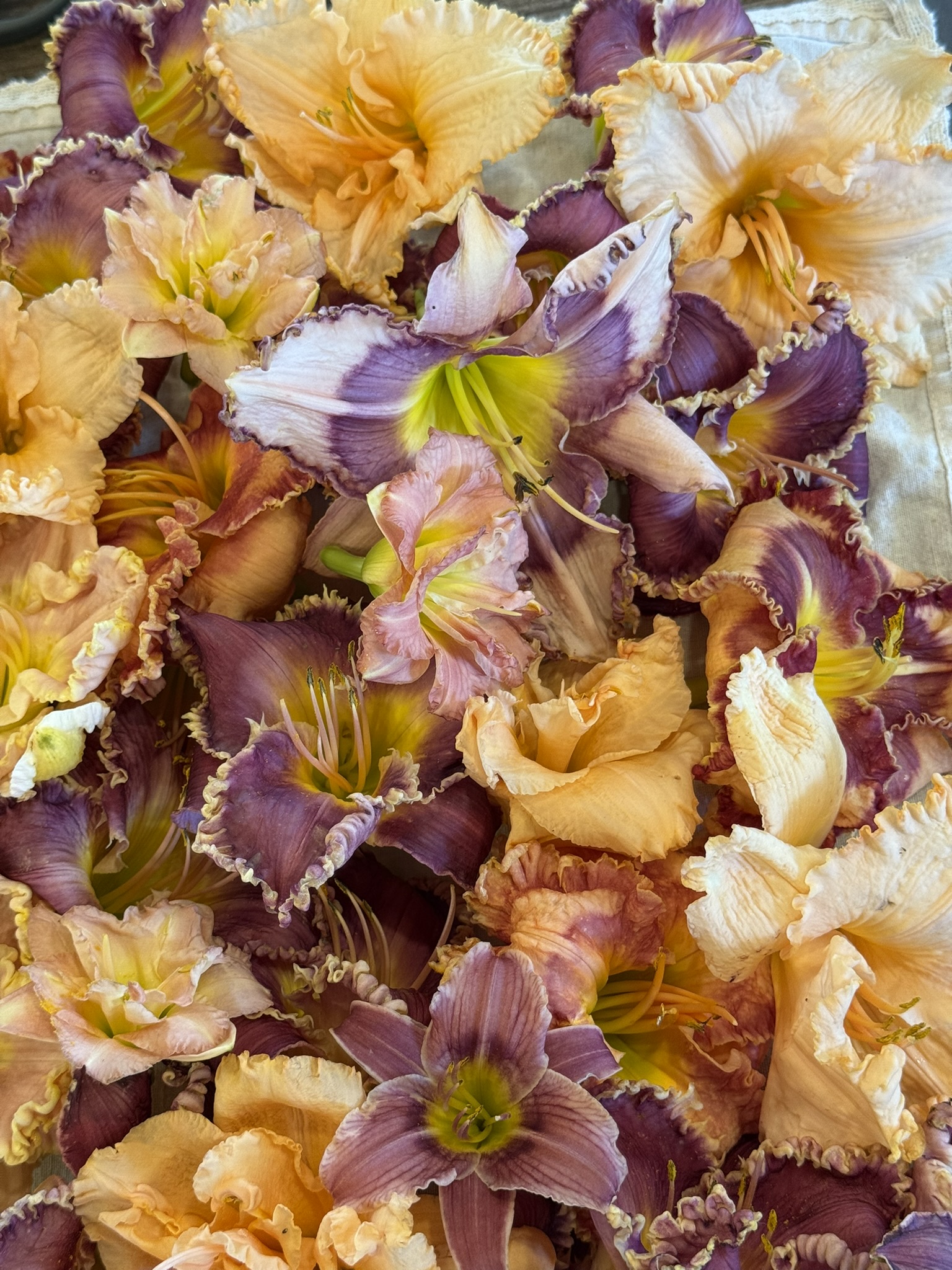
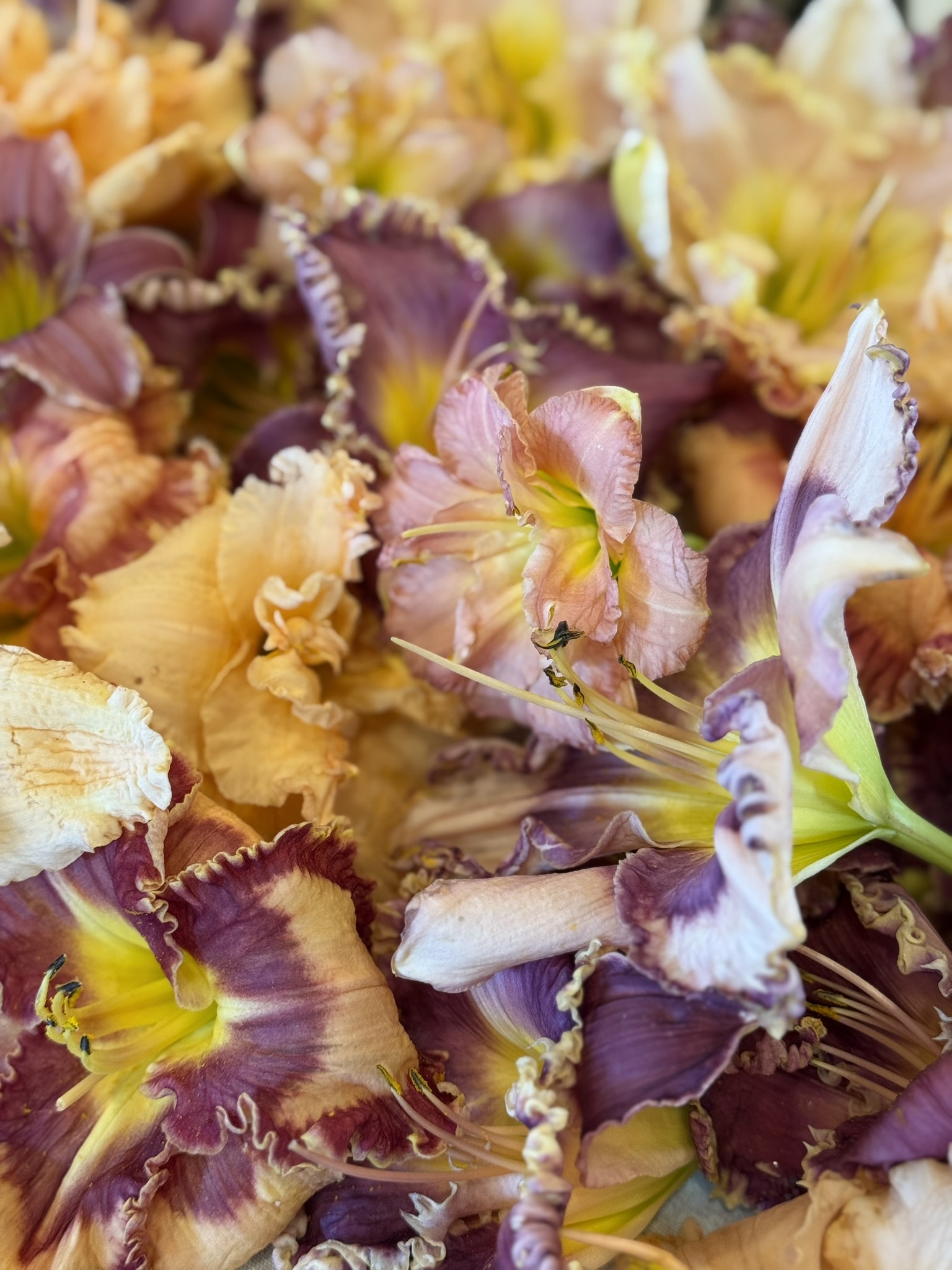
The Headshots
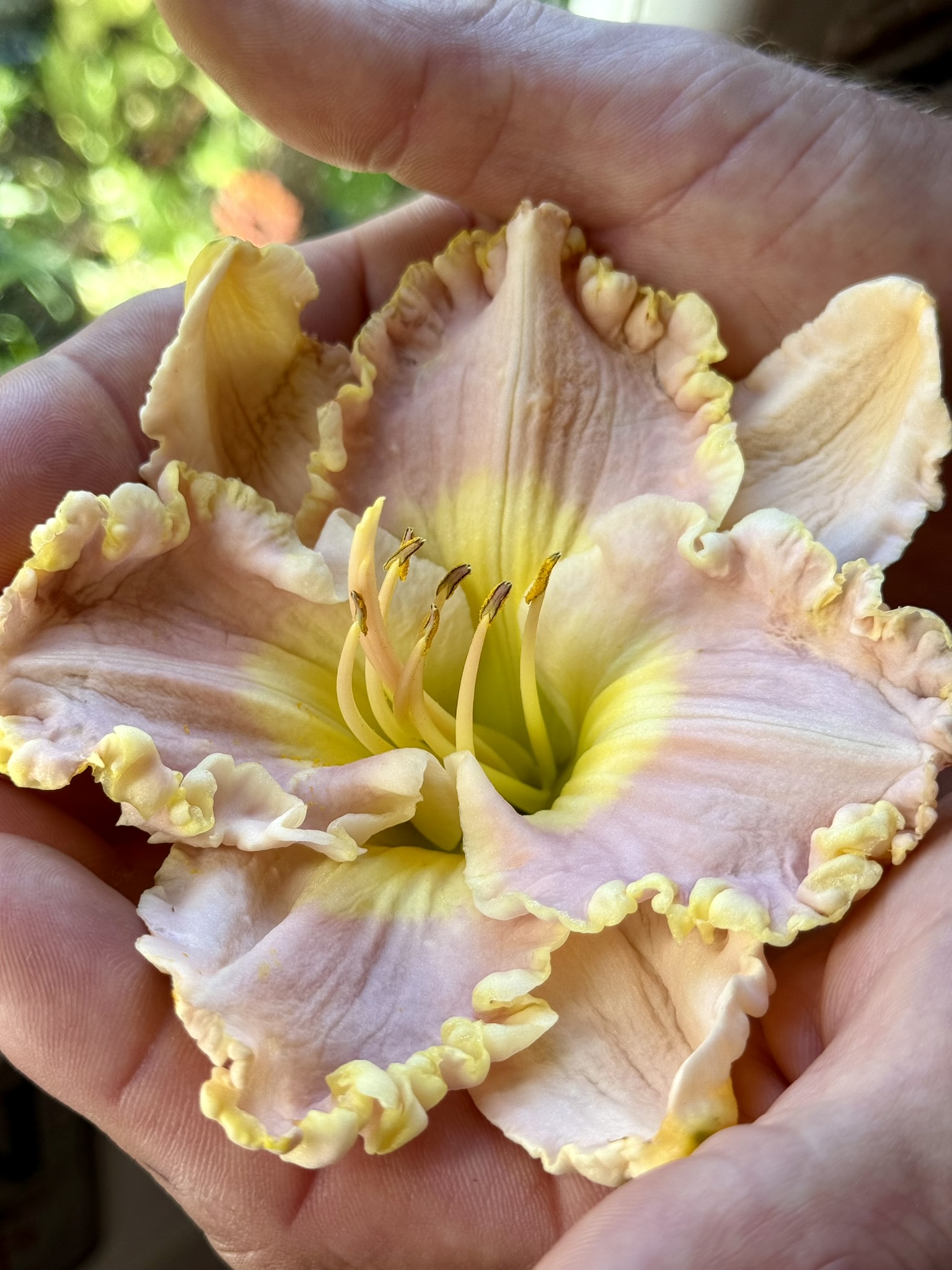
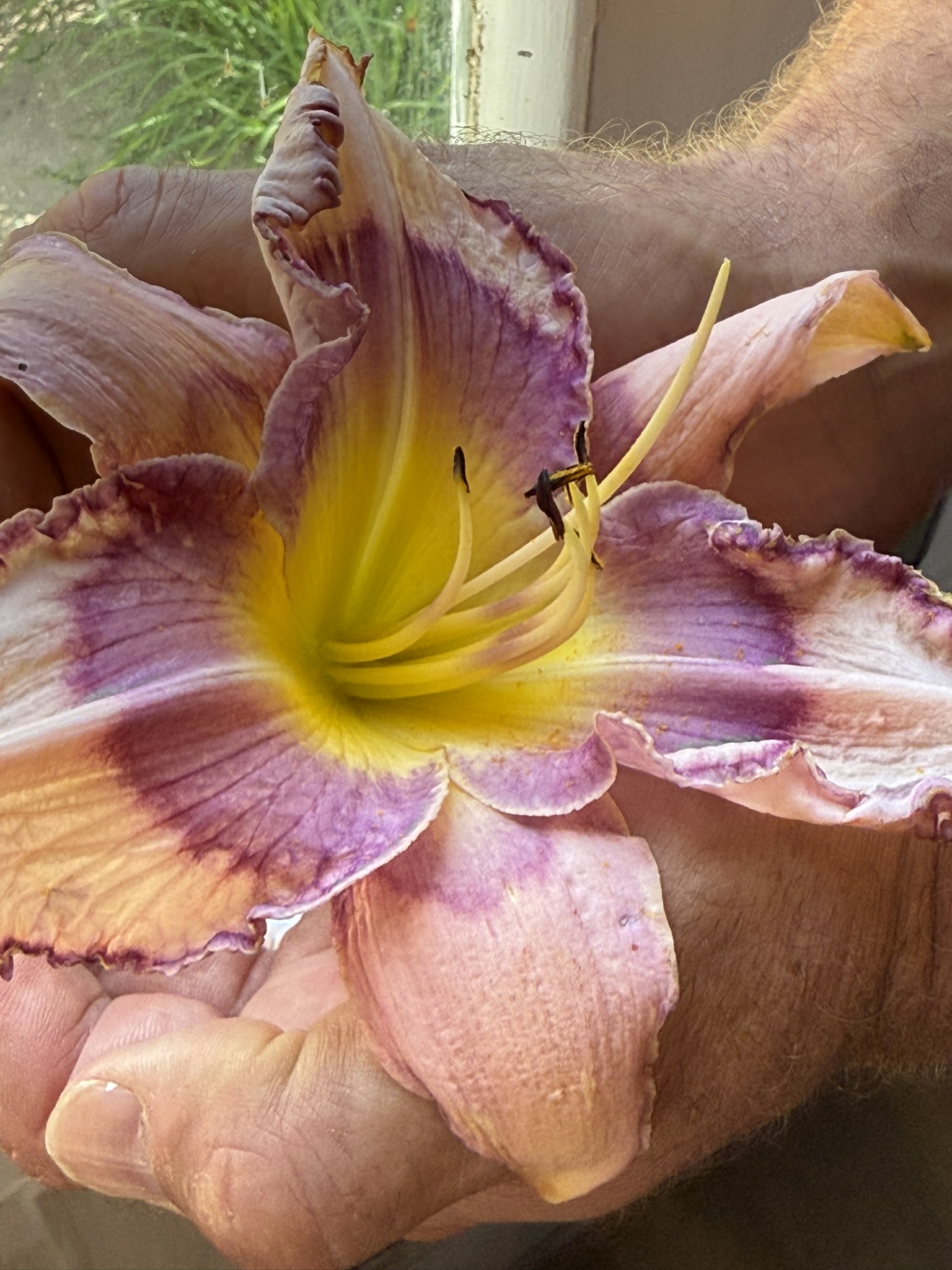
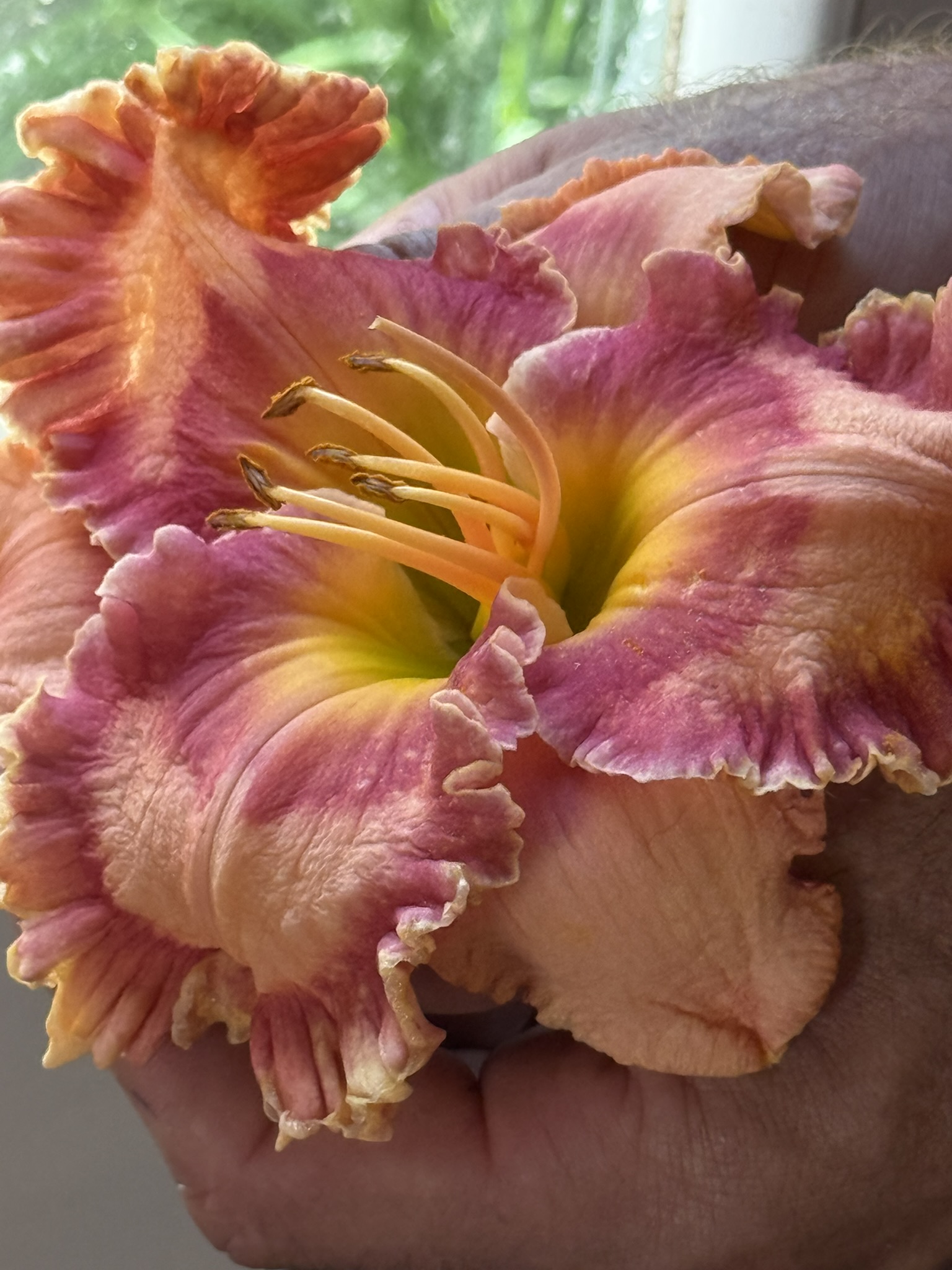
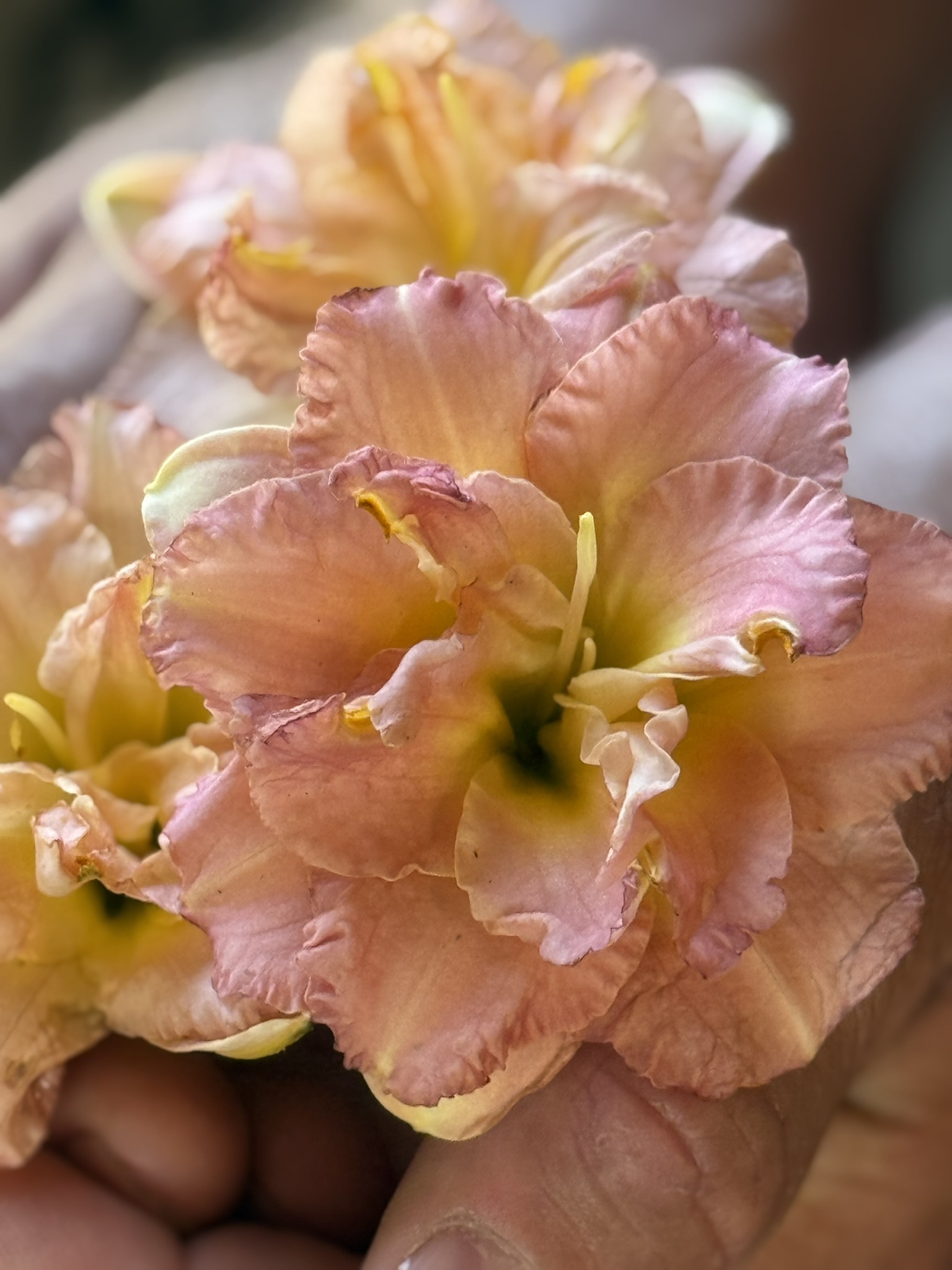
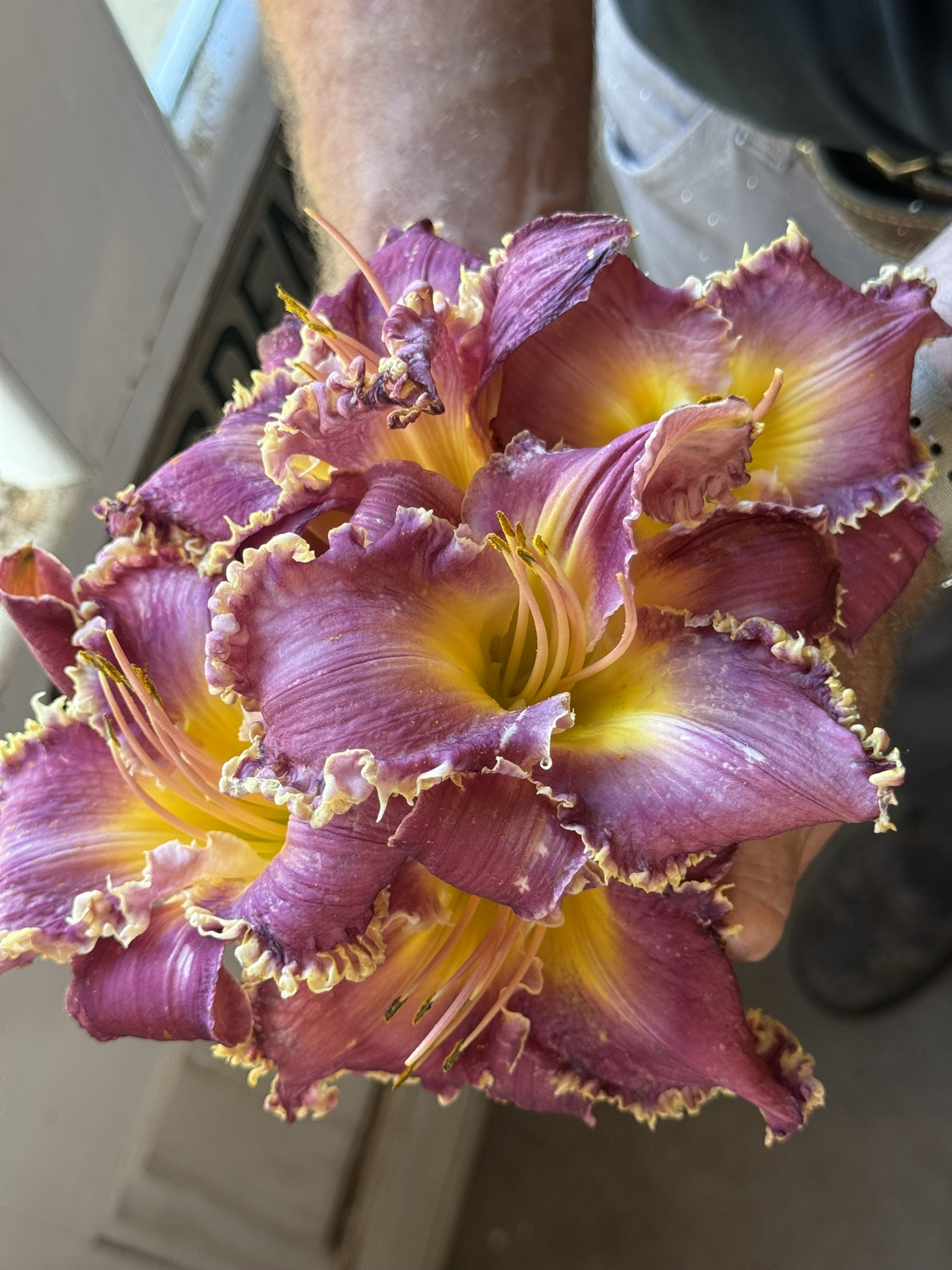
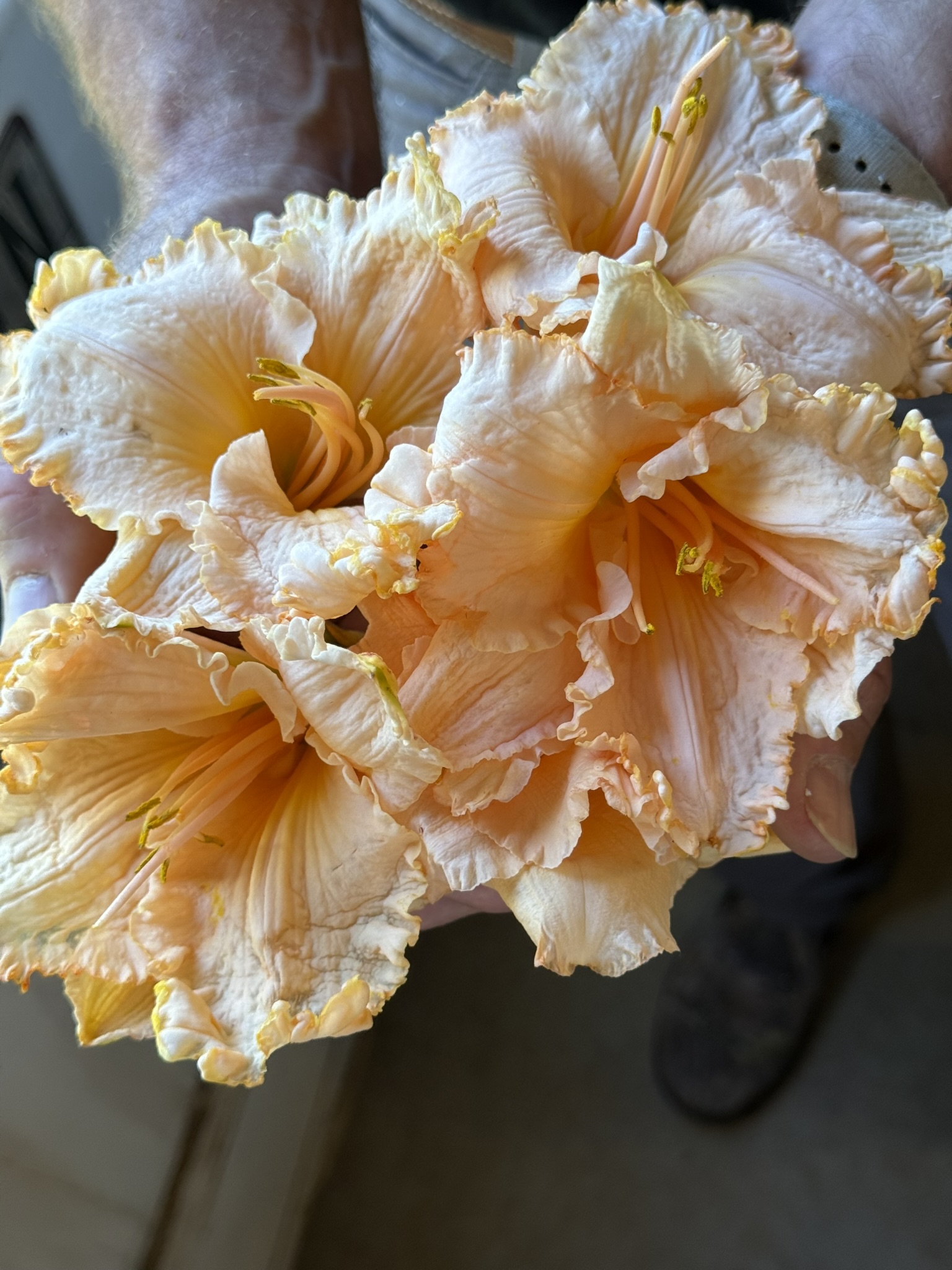
For decades, the lily memorized the rose's lines.
Then it learned one small thing.
The greenhouse here is a world of its own — its own microcosm, or as I would more likely say, its own floracosm. A little city unto itself, full of all these beautiful girls. And like any great city full of girls in summer, some of them want to audition for the Shakespeare in the Park performance. Who doesn't want to be center stage with everybody looking at you?
But the theater season runs longer than some of the girls will be in town. Part of the garden has their eyes on all the female starring roles — especially Juliet. The problem is that Romeo and Juliet runs longer than any other performance, and it requires that the lead arrive earlier than she normally would and stay longer than she normally would. And so, undoubtedly, the role goes to the Rose.
She shows up early. She stays for as long as you need her. She is eager for a new take on the same lines. She'll memorize anything as long as she gets to float around and be beautiful. The rose will also stay as long as she possibly can — until the frost takes her.
"The lily could potentially be an even better actress.
When she is trained and focused on her craft,
there is nothing more magnificent,
more diverse, more engrossing,
more worthy of prose
than a daylily in her season."
The Company — In Their Season
The whole cast. One day in July.
The Headshots
When the daylilies are blooming, you forget why you didn't buy every single offering in the catalog. You realize that if you had the money, tomorrow would be the day to place the order — to make sure you have every color this botanical force is willing to put above the ground for the human eye. She is spectacular. Worthy of consideration for all of the starring roles.
And yet she can't make the time commitment. And that ruins it every time.
The crazy thing about the lilies is that every year they think something will have changed. They take the time. They memorize all the lines — thinking that this year some variable is different and they'll finally get their chance, and they want to be ready. For decades, they have been the understudy. Quietly moving their lips in the shadows while the roses take all the credit.
They banded together. They formed their own union. They elected their own representative to put forth one small change — one thing they would all agree to do, for the betterment of all, and for their dedication to the craft of theater in the worlds that the imagination can build.
One of the other interesting side effects of dehydrating them is a surface that carries the ever-so-slightest, almost sebum-like covering — a sheen. I wouldn't call it waxy, but it has a bit of tackiness to it. And the craziest thing that the lilies ever said to me was: cut her in strips, hold one edge between pliers, and twirl it up.
So I did.
And you know what it was? It was a rose.
All those years and seasons being understudies of the beauty that always steals the audience's heart — and the lilies learned how to become the thing that everybody loves. The dried surface of their skin has enough tackiness that it adheres beautifully to itself, almost as if it is inviting you to experiment with that property and see what can be accomplished.
The Shape of the Bargain
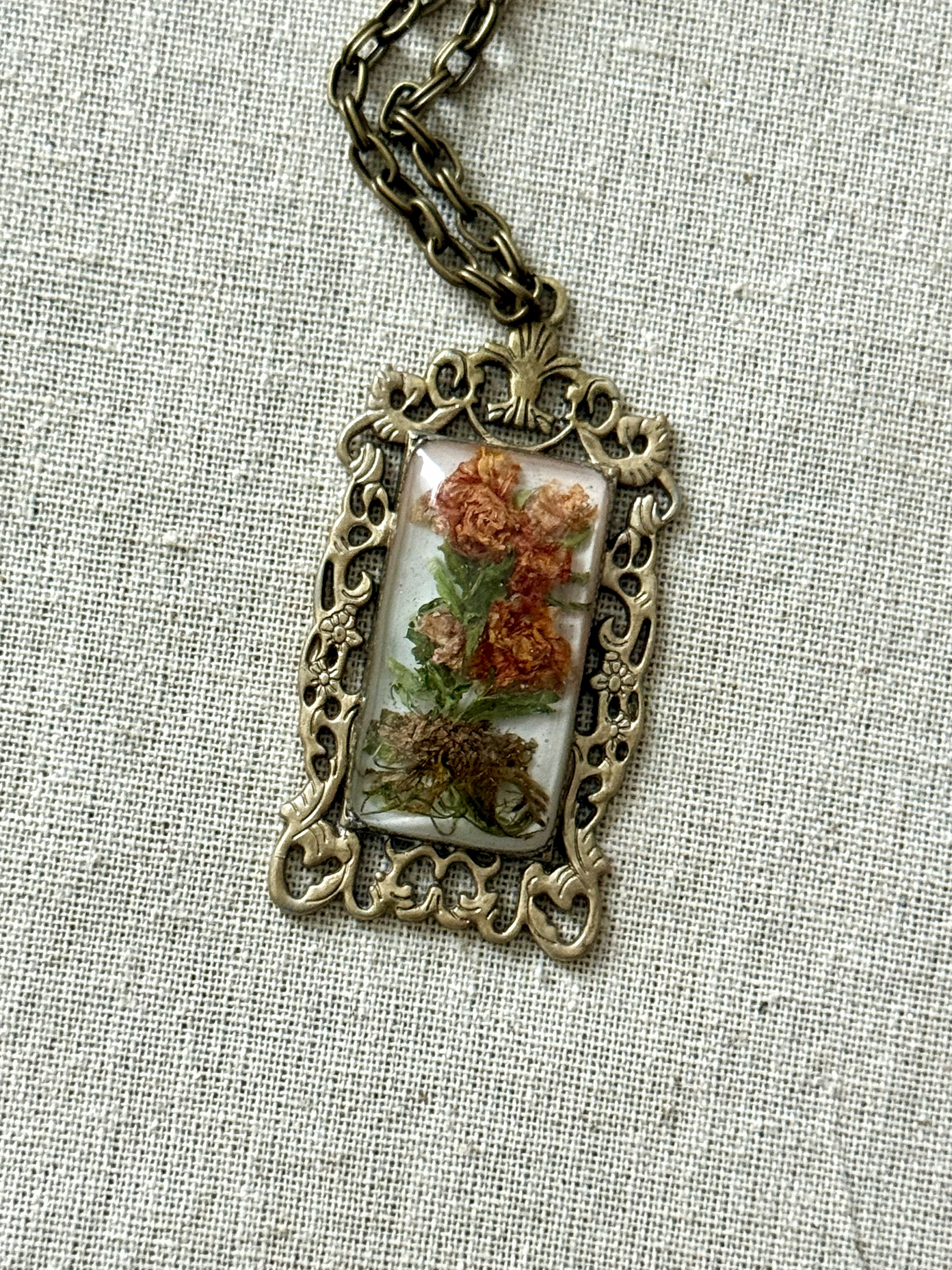
The garden lily is not known for preserving well. She is such an exotic, moist, dense, cellular-structured bloom that I have never successfully dried one by any method and had it hold its shape without collapse. I have tried everything. One of those things was the dehydrator — which pulls the water out faster than anything else, at the risk of altering the pigment and the final form. But something unexpected happened on the way out.
Without the water, the petals become denser, thicker, closer together — offering a pattern the living version of them could not. The structure that was always there, now visible: lines organic and beautiful, like panes of translucent glass laid over color. Like the wings of a dragonfly. Somewhere between reptilian and pollinator.

The Role She Earned
The dehydrated daylily petal, cut into a strip and twirled once at the tip, sets into a spiral that holds its own weight. No glue required. The tackiness of the dried surface is the architecture. Laid into a bezel, it reads — completely and without question — as a rose. Not an imitation. Not a stand-in. A rose.
I have no doubt that this is all the work of the lilies, wanting to have a stage built just for them. A stage the roses aren't welcome to even audition for. Because here, if you want a rose in a piece, I can tell you a thousand percent: that rose will always be a lily.
The Performance
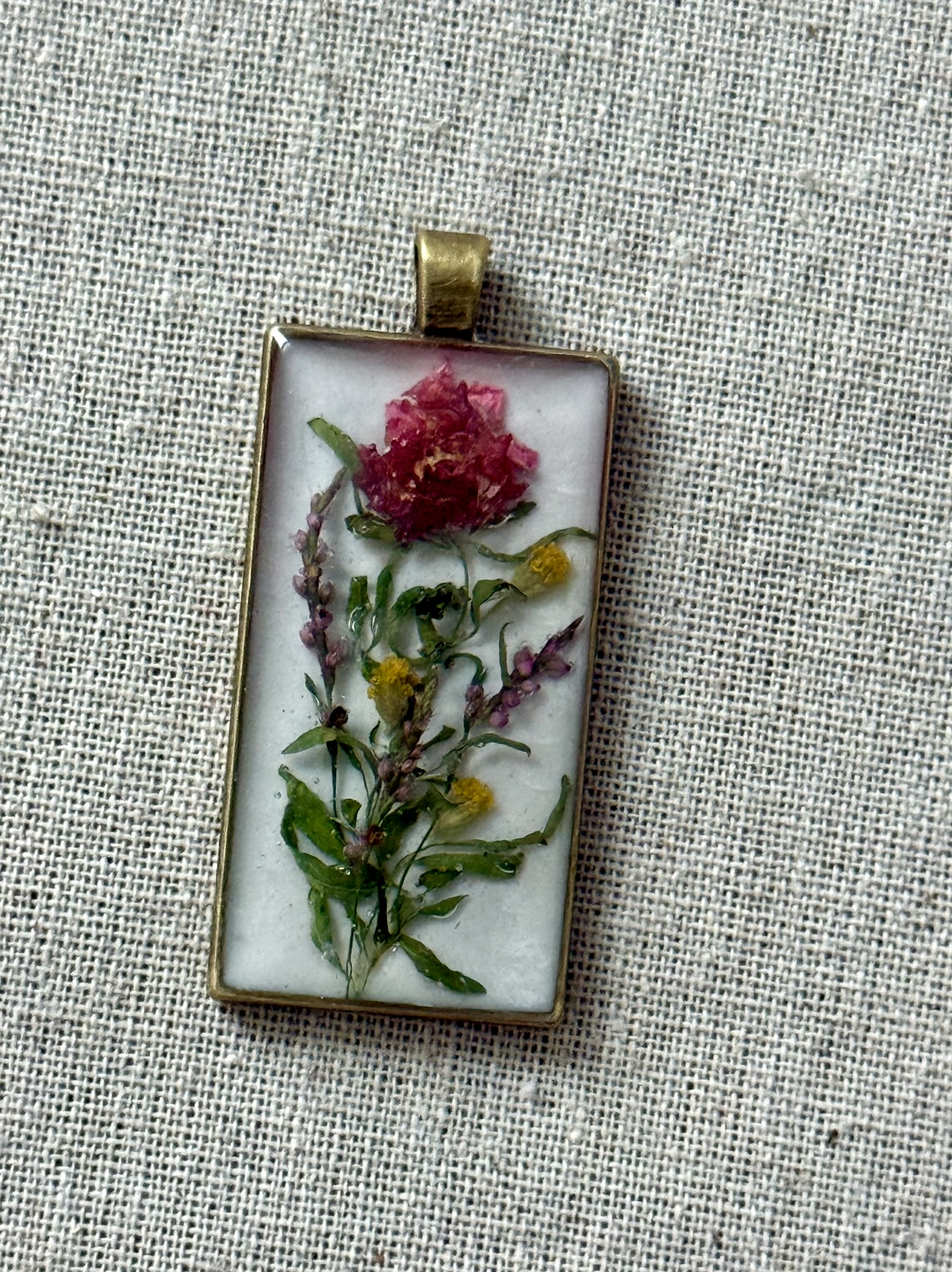
One strip. One pair of pliers. One slow twirl from the tip. And the lily becomes the thing the whole garden has always loved more. The dried surface has enough tackiness to hold the spiral without any adhesive — the architecture is entirely the flower's own. She built this.
Set into a brass bezel beside lavender and goldenrod, what you see is a rose. Unmistakably. There is no asterisk, no footnote, no small-print disclaimer. If you want a rose in a piece, that rose will always be a lily — and she will never break character.
The Billing
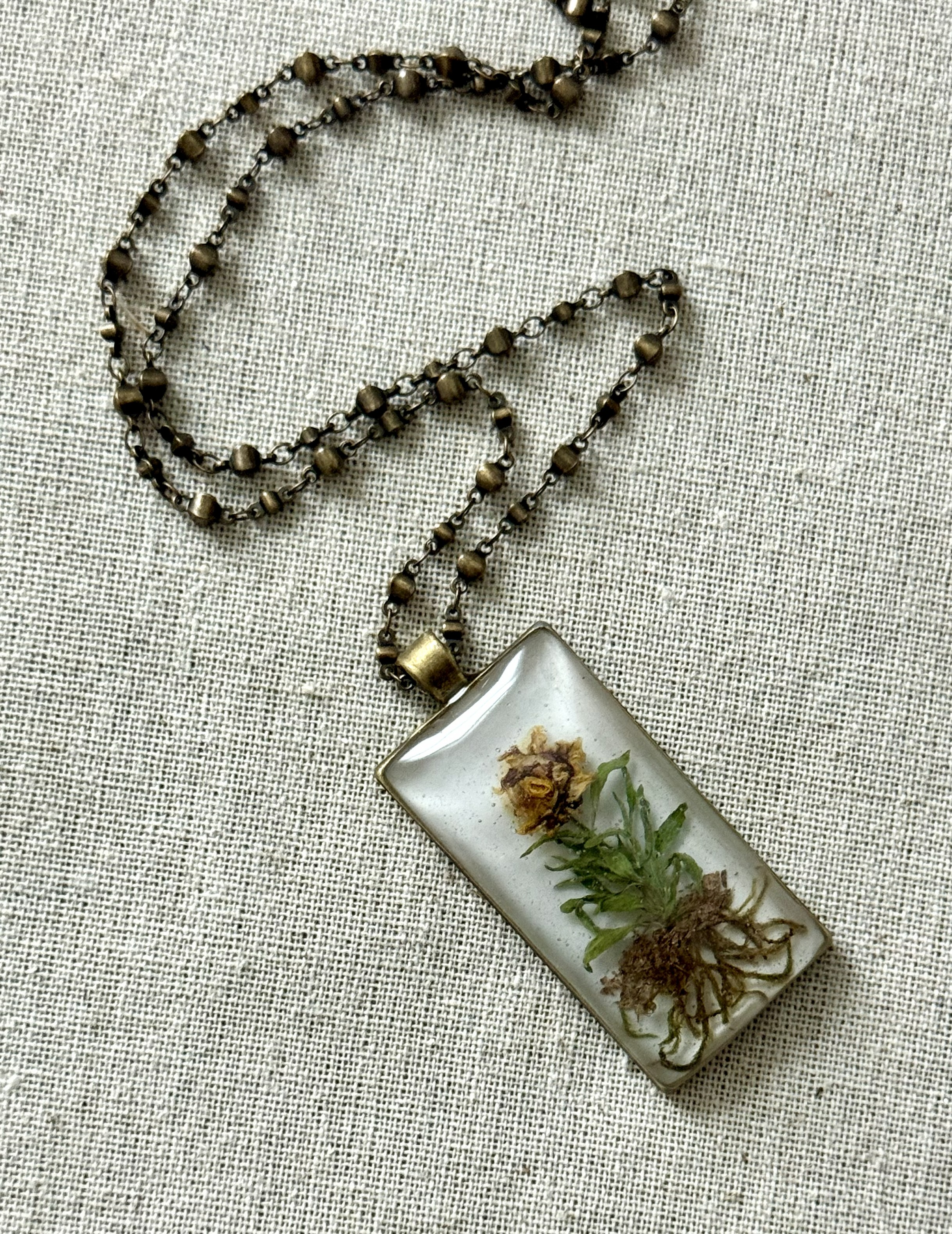
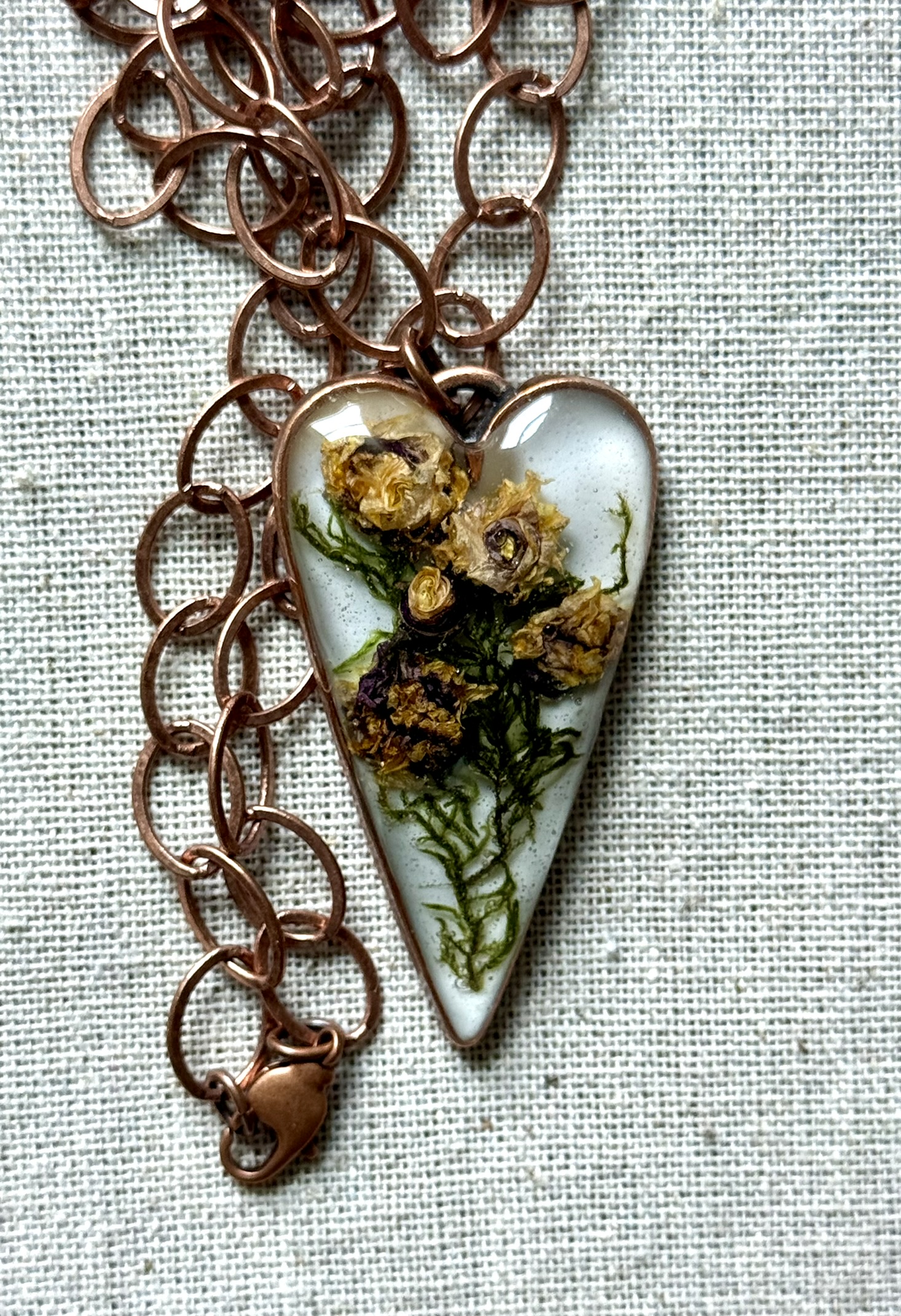
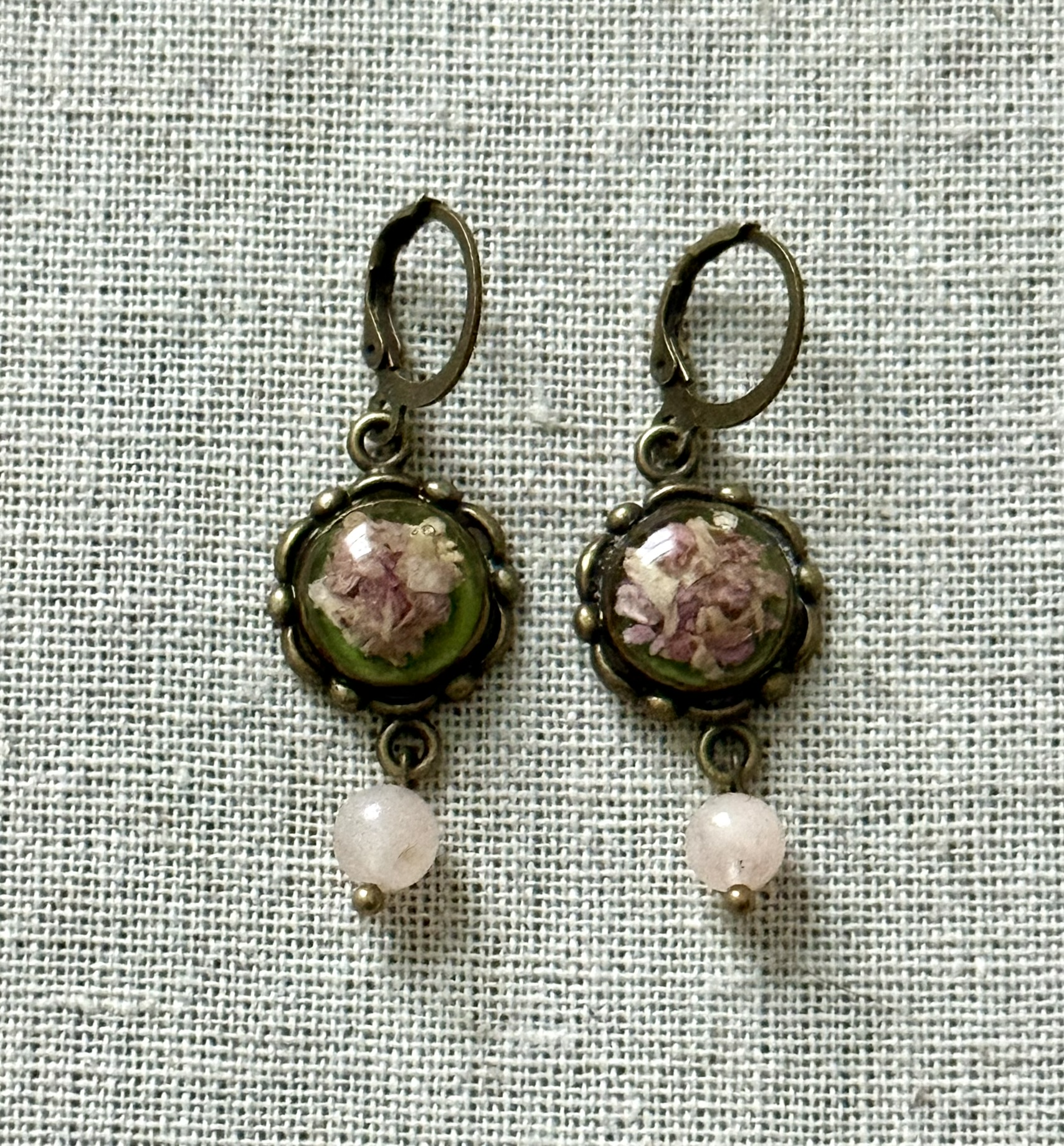

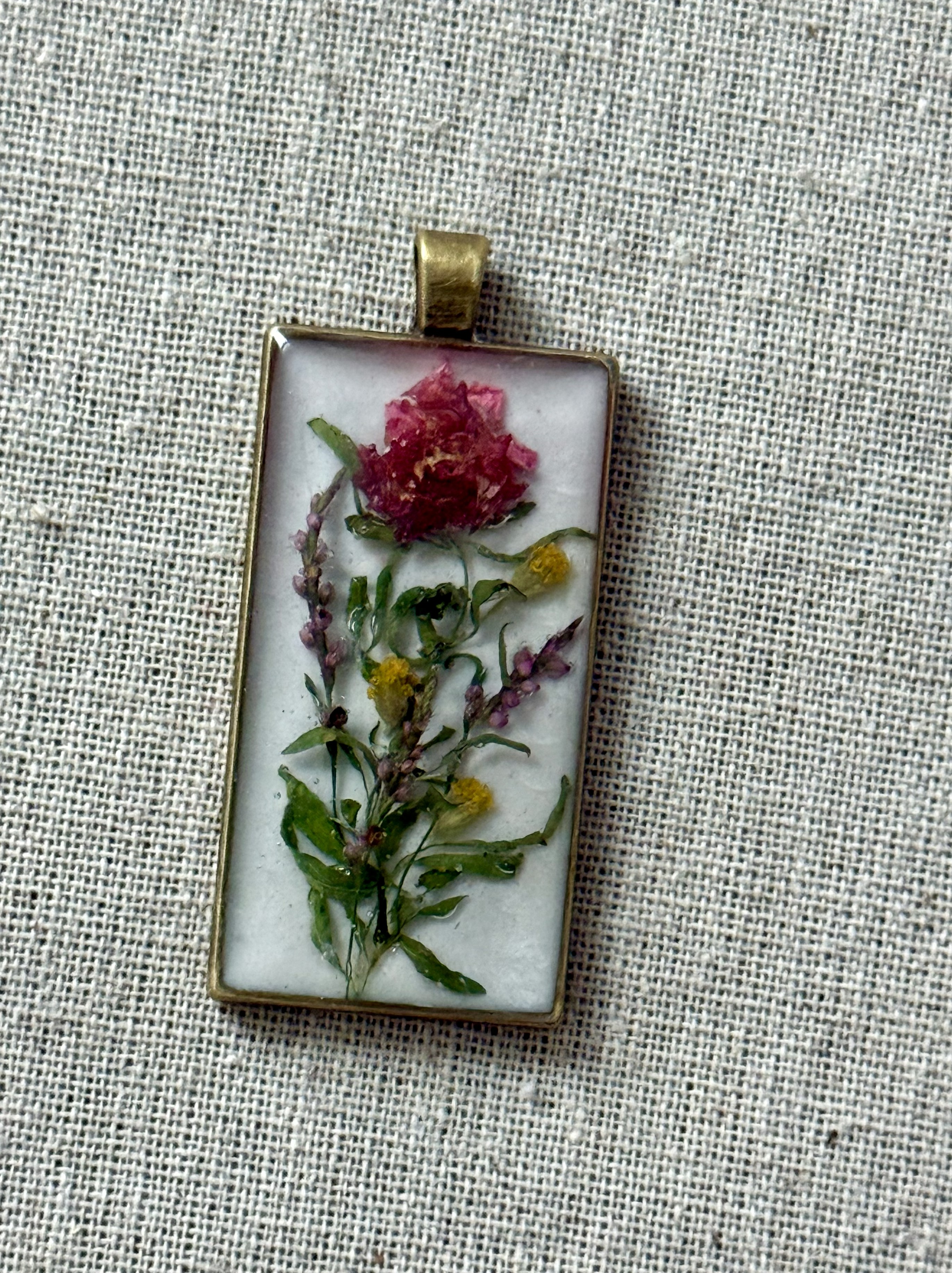

"If you want a rose in a piece,
I can tell you a thousand percent
that Rose will always be a lily."