Signs of Fall
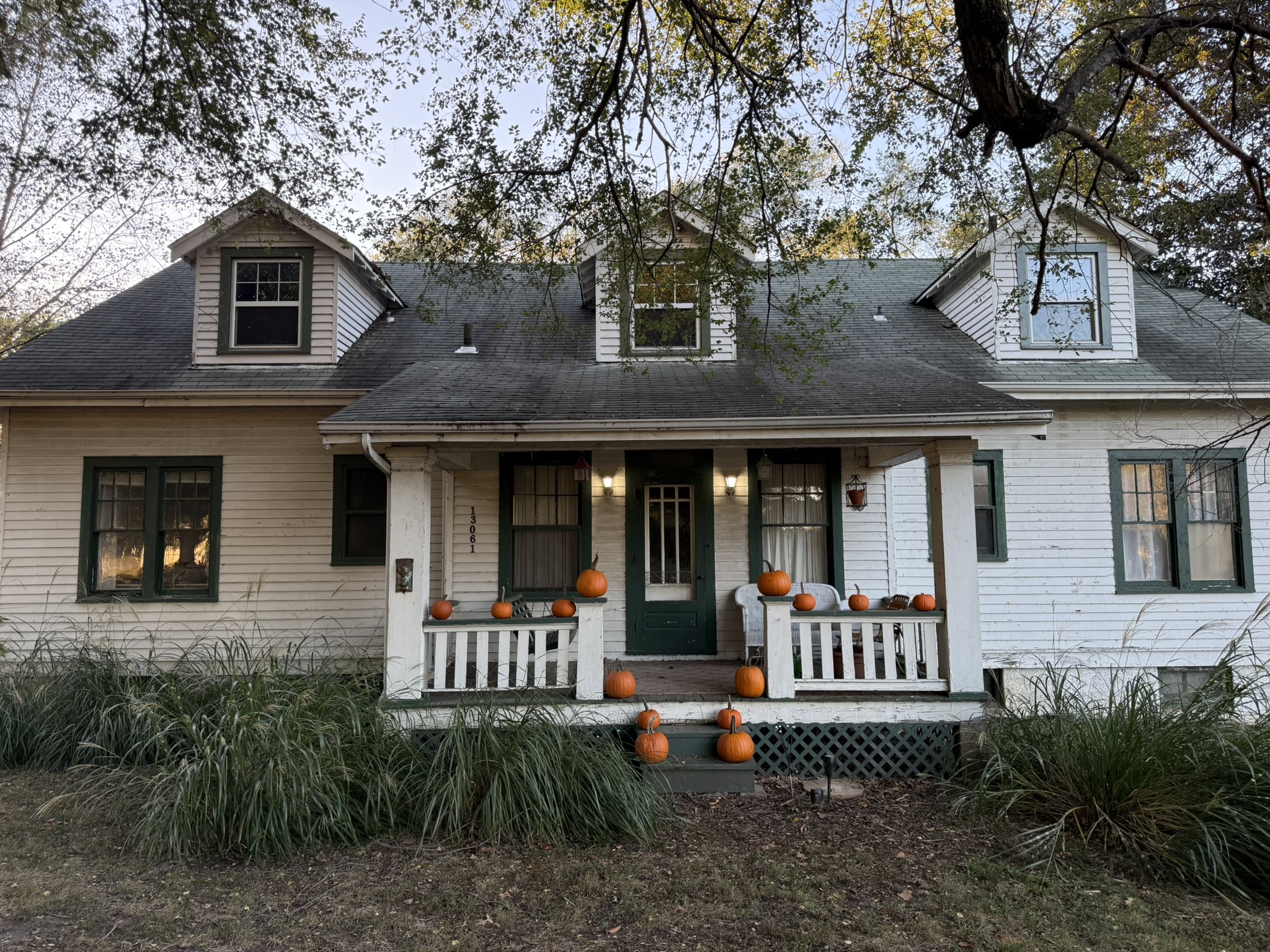
October 15th comes every year.
So does the party.
There is a date on the calendar that I have come to dread with the same reliability that I anticipate summer. Around October 15th, reliably, almost without exception — the frost takes everything. Not slowly. Not in stages. In a single night, the garden that spent seven months building itself into something extraordinary simply stops.
I have found that if I don't throw myself headlong into something consuming immediately afterward, I will need therapy to survive it. The loss of a garden at first frost is not a small thing if you are the kind of person I am. It is the end of a world.
Signs of Fall
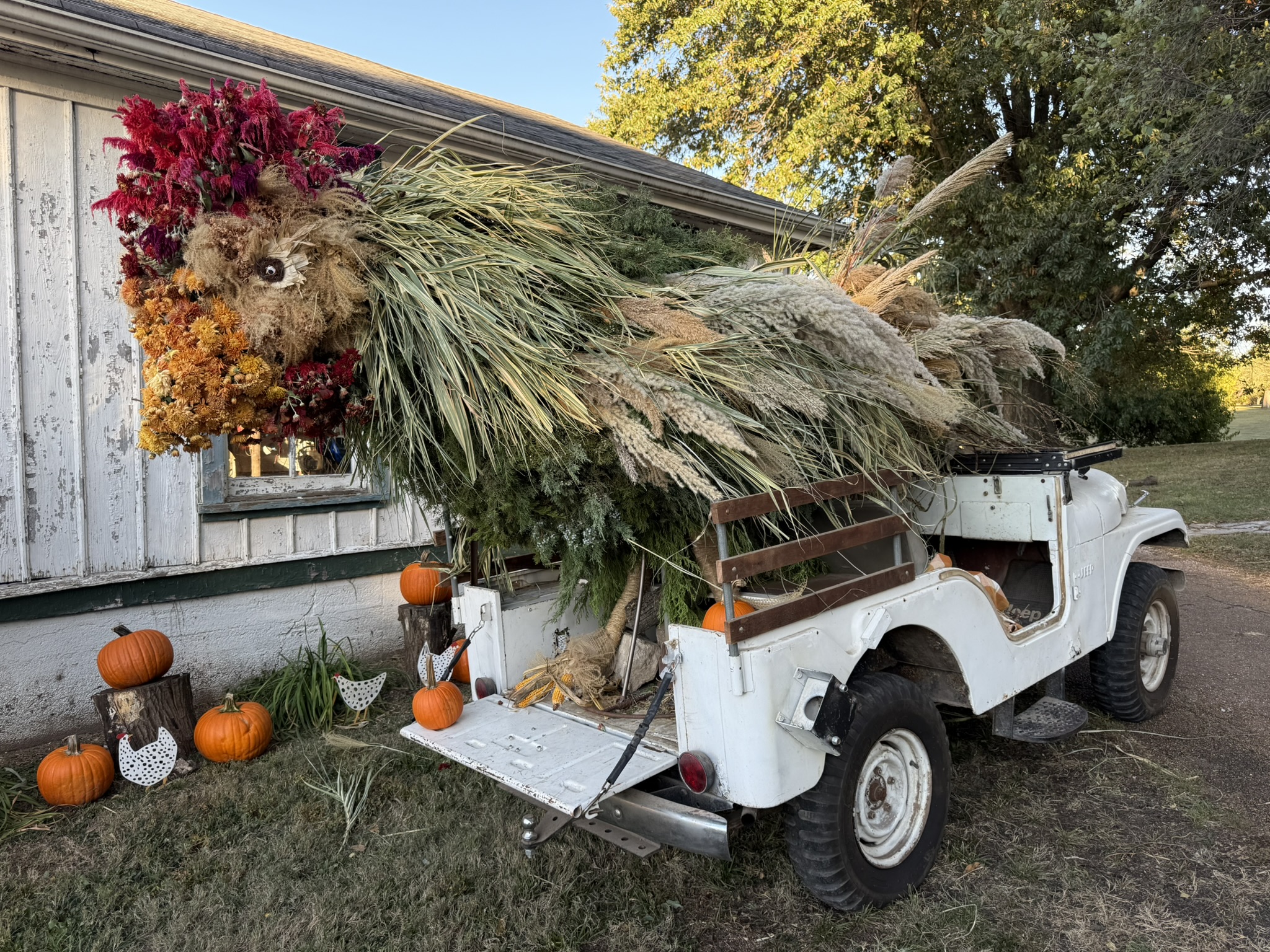
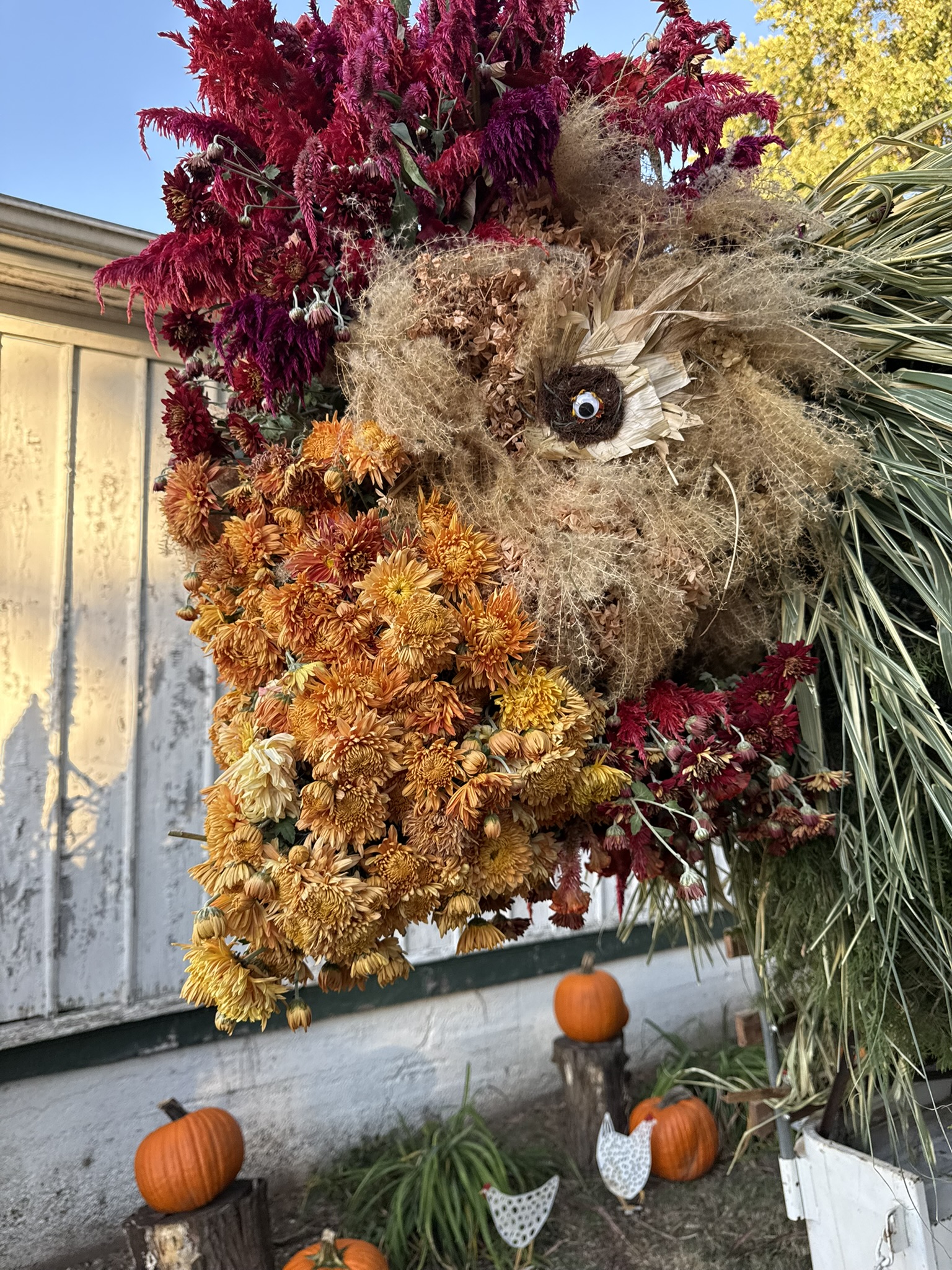
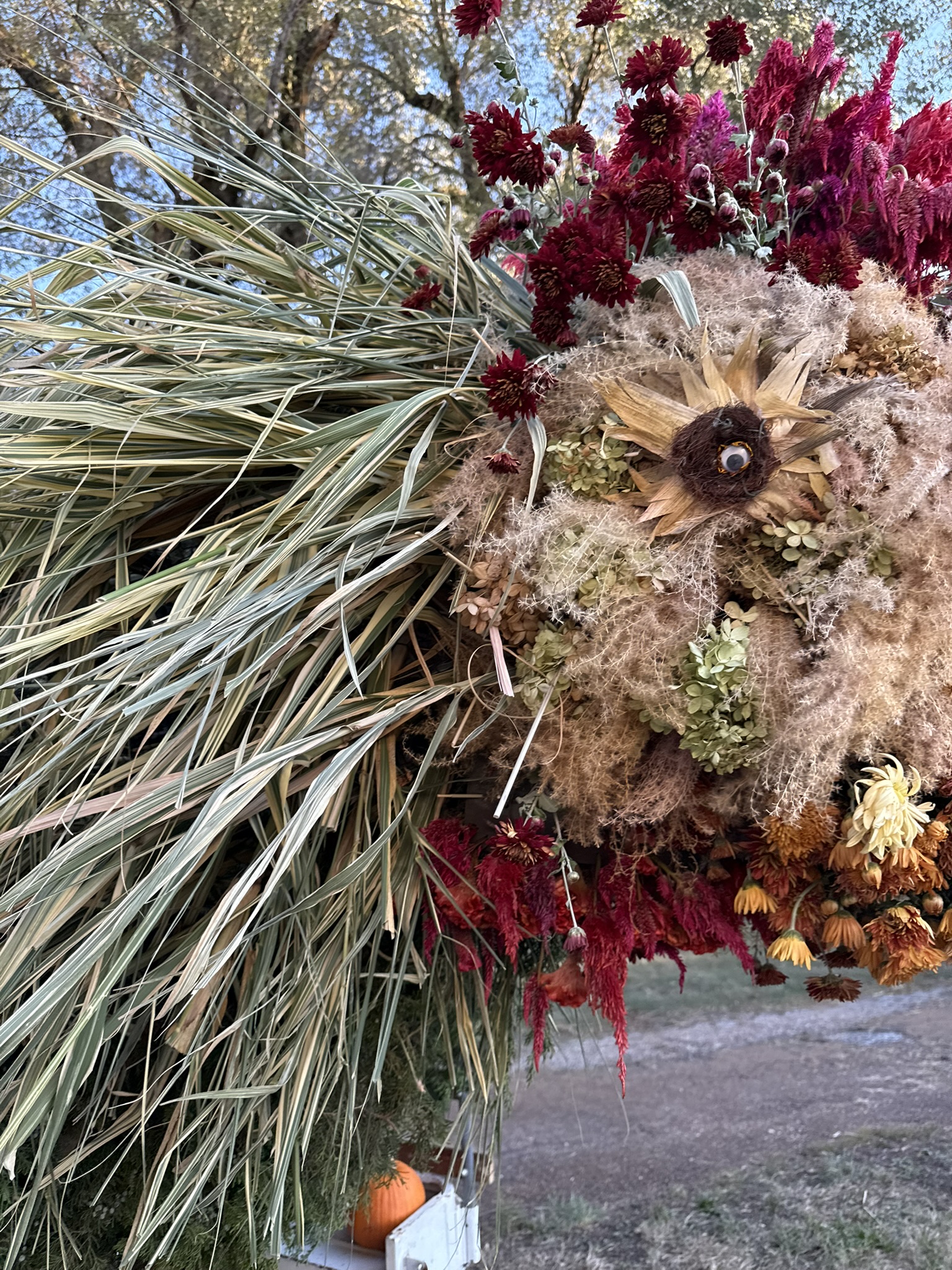
Before the frost arrived, there was a rooster. Built from this land — celosia for the comb, mums for the wattle, grasses for the feathers, the old Jeep for the body. Everything from the harvest, assembled into something that stopped people on the road. He stood against the barn wall for two weeks. He was enormous. He had one googly eye and absolutely no apologies about it.
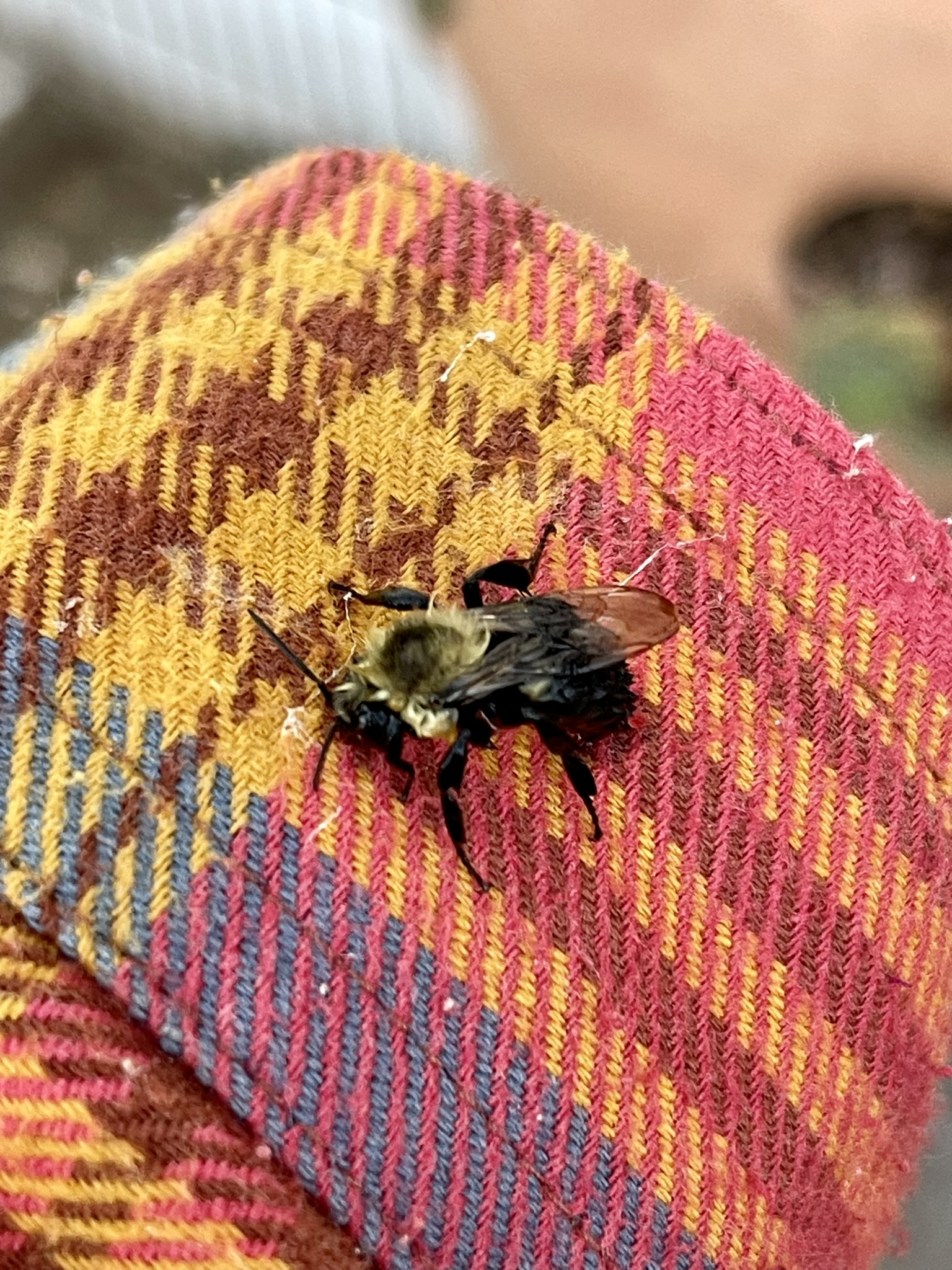
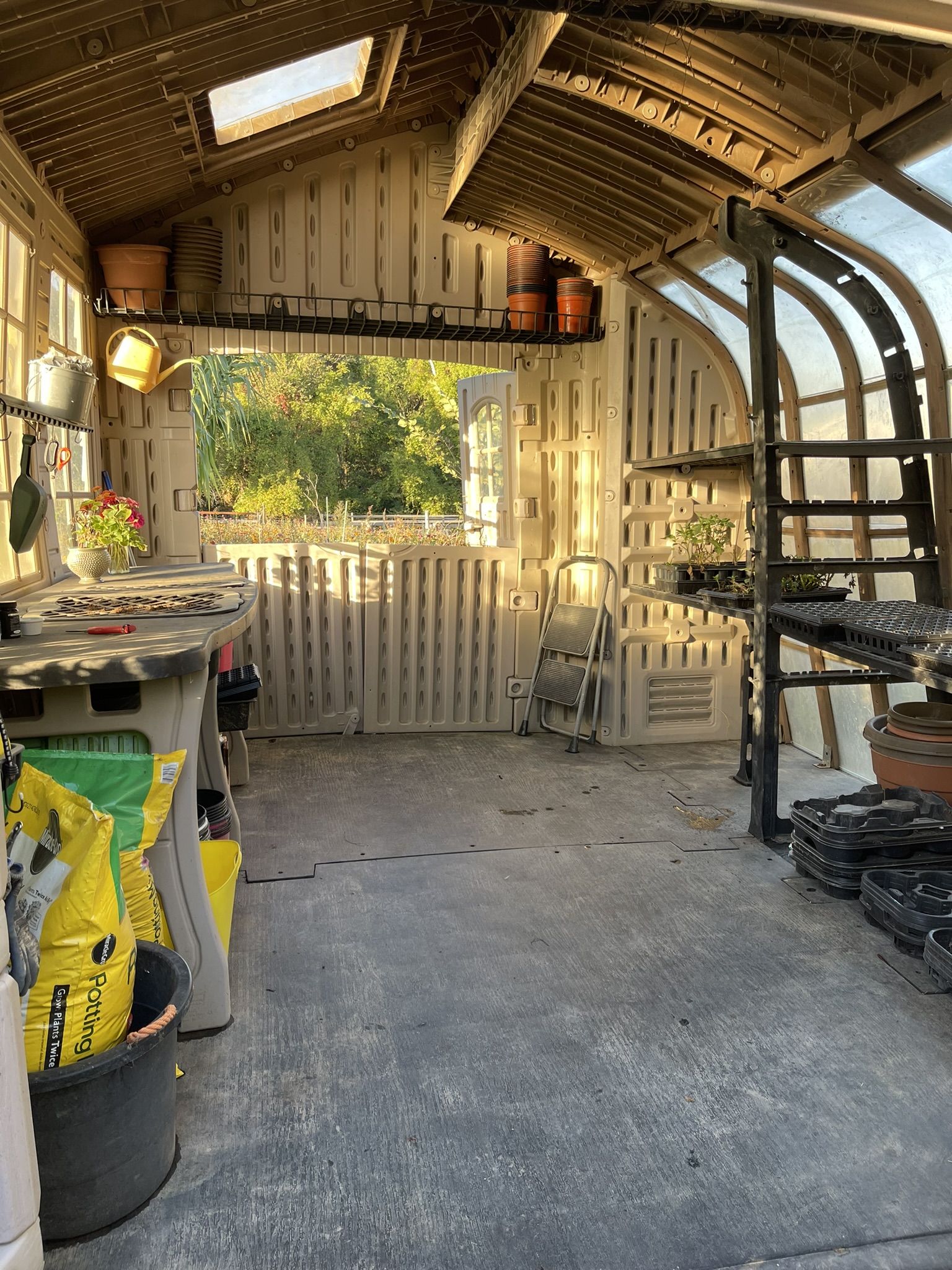
This is also the time of year when the bees need a helping hand. The cold makes them lethargic. Docile. They will sit on your glove for as long as you are willing to hold them.
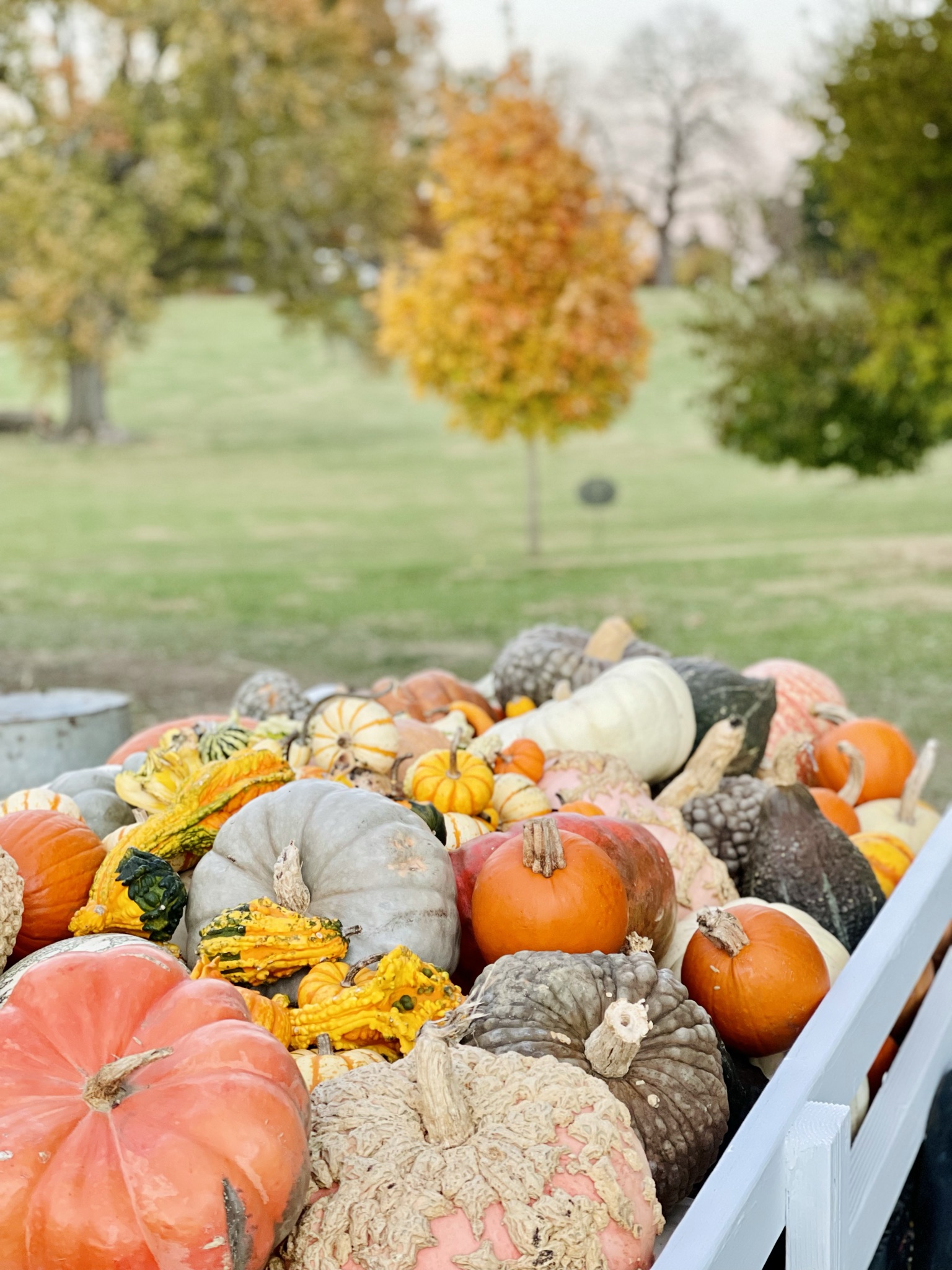
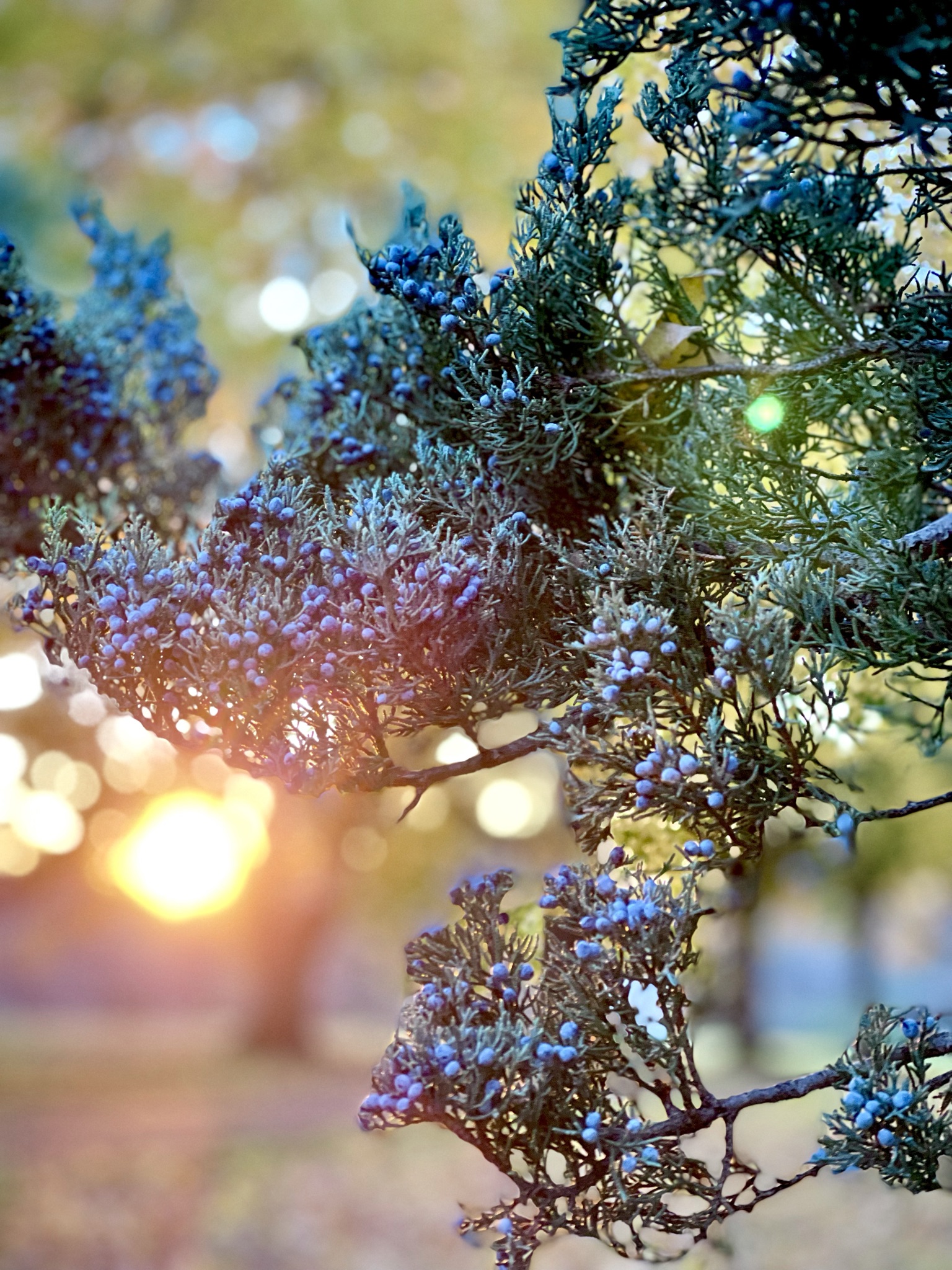
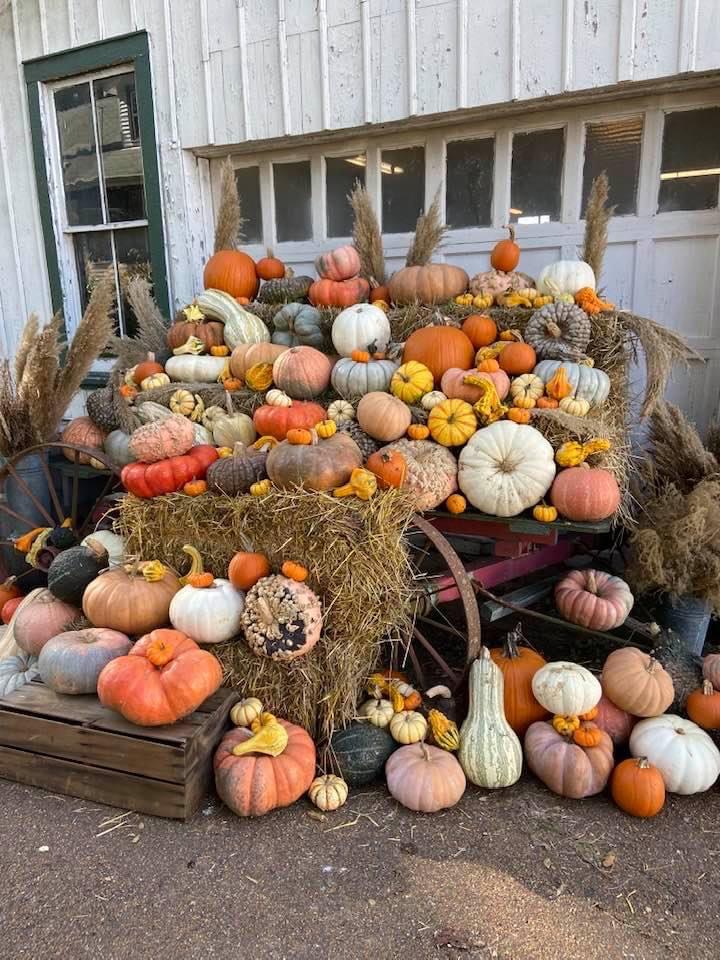
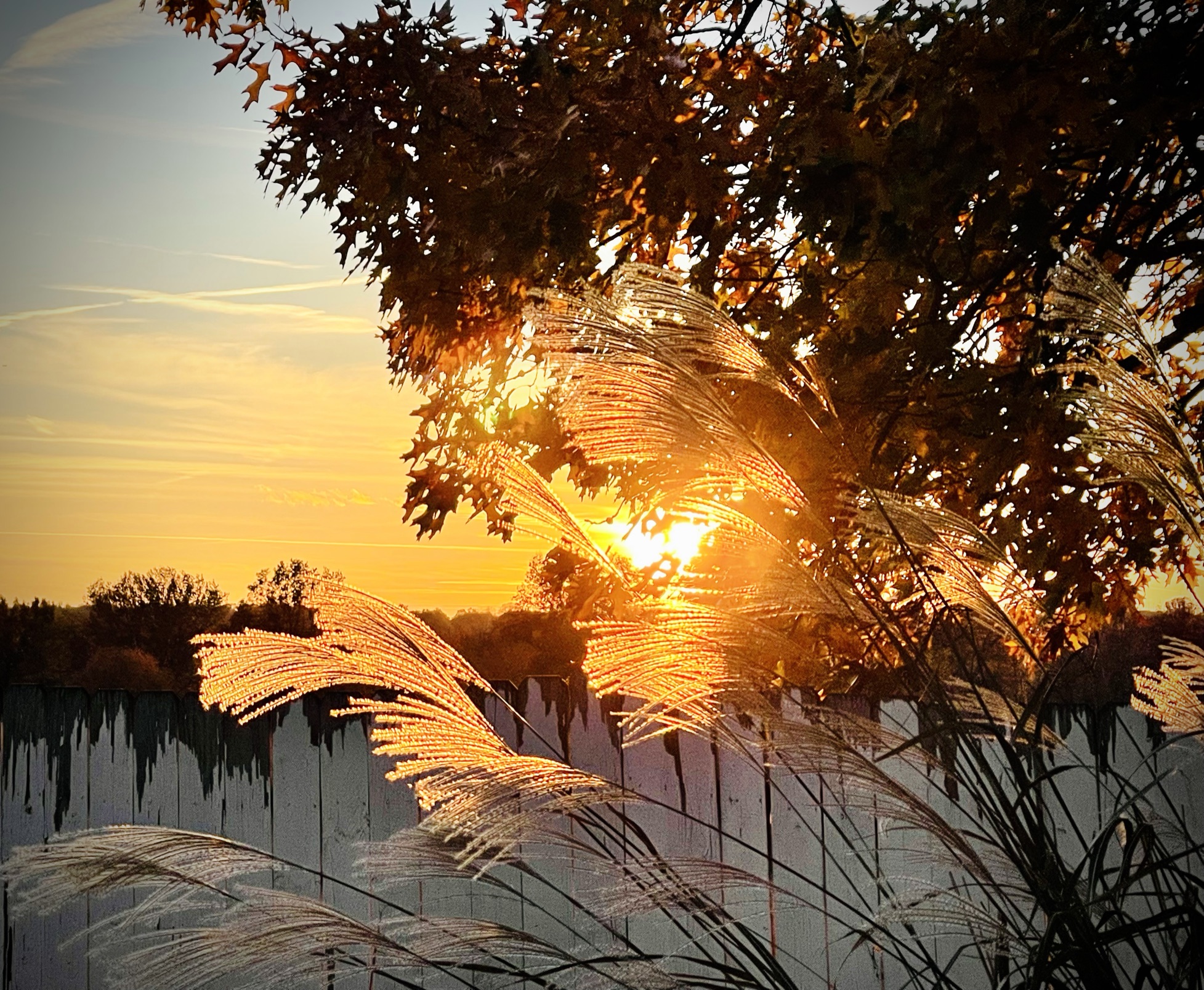
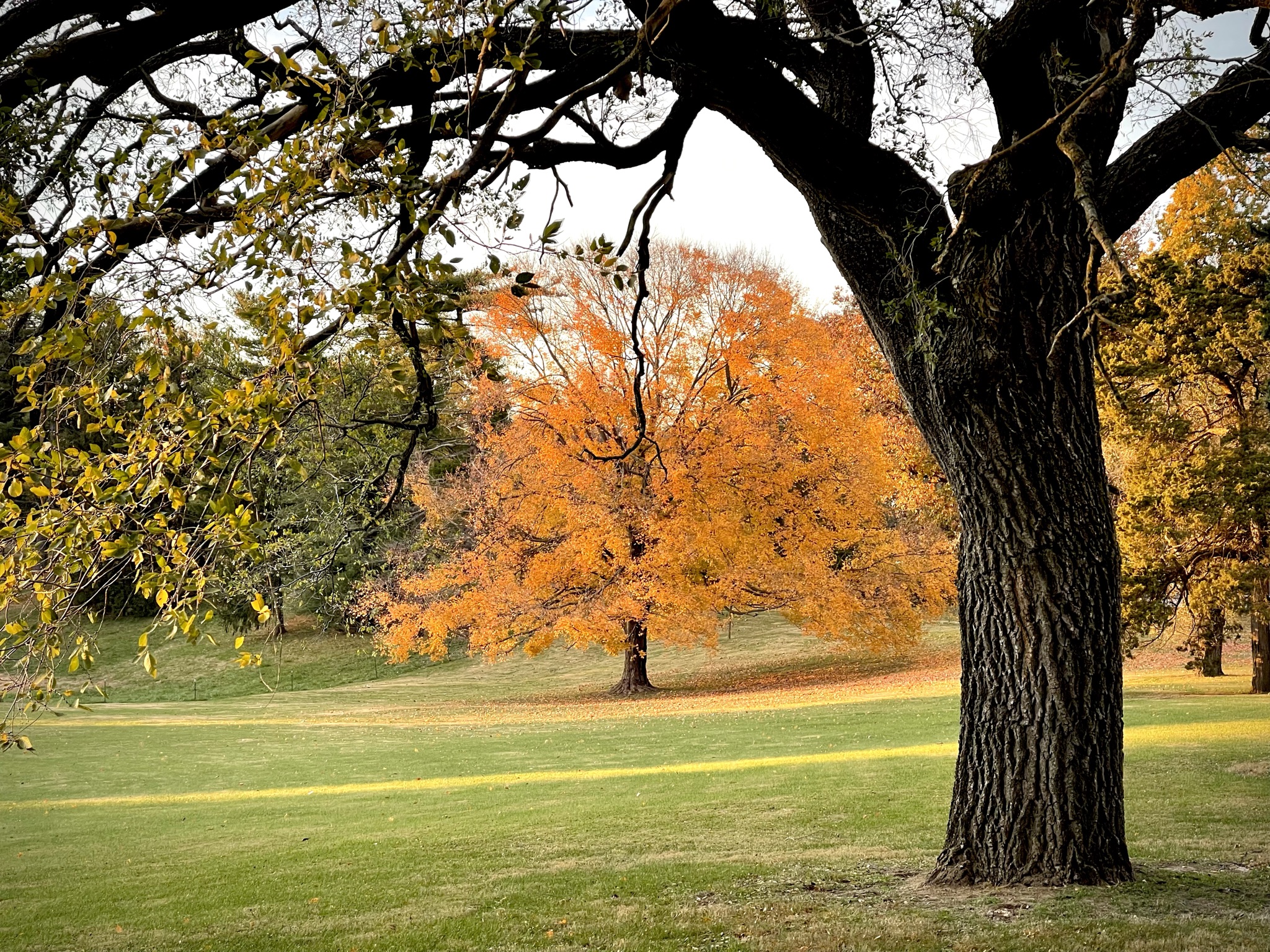
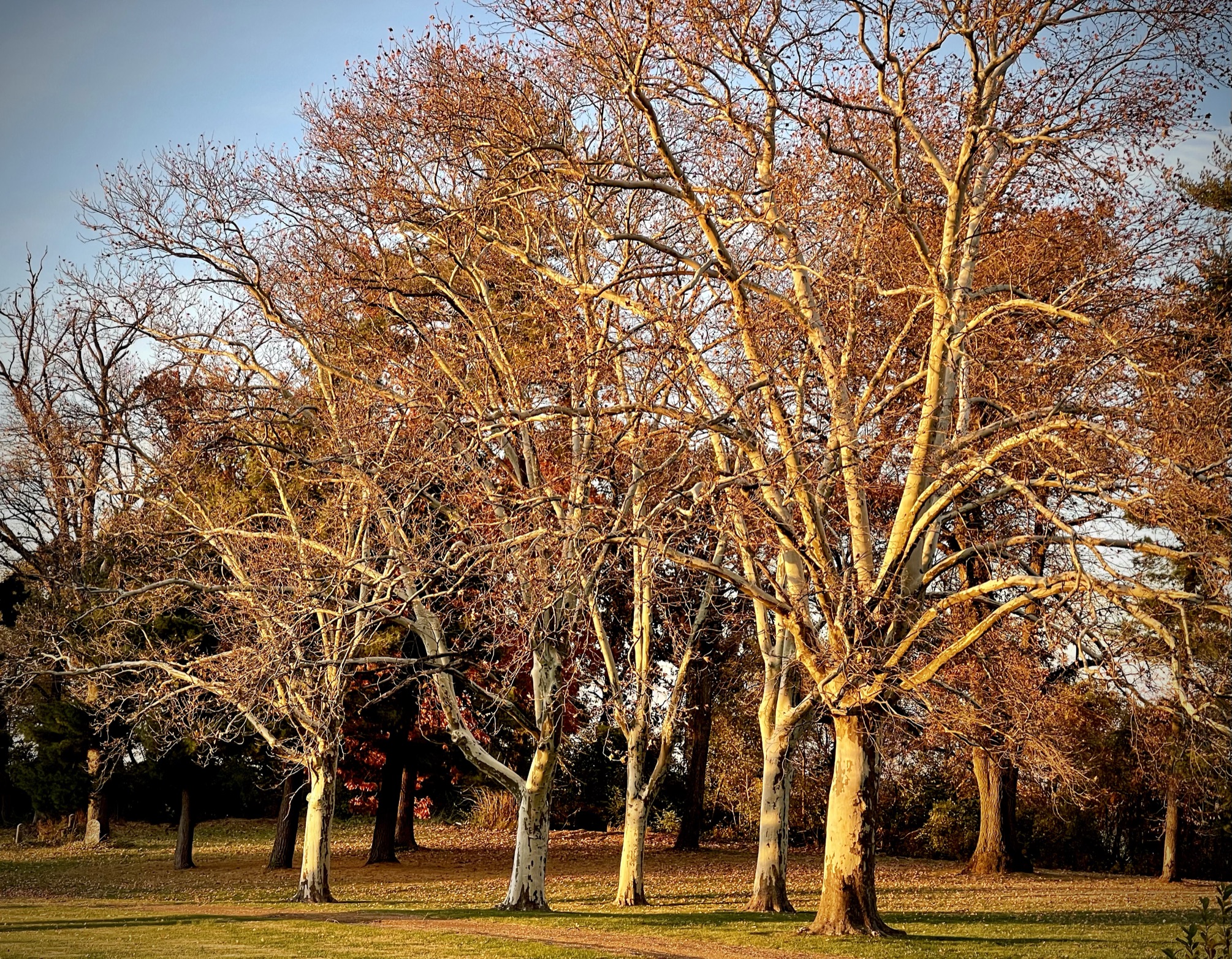
The signs are unmistakable — and beautiful and devastating in equal measure. The trees go extraordinary before they go bare. The grasses catch the last light and hold it for a moment longer than you expect. The pumpkins arrive in hundreds, in every shape and color the seed catalog can dream up, and you know the math. October beauty is borrowed time.
The Last Ones Standing
.JPEG)
.JPEG)
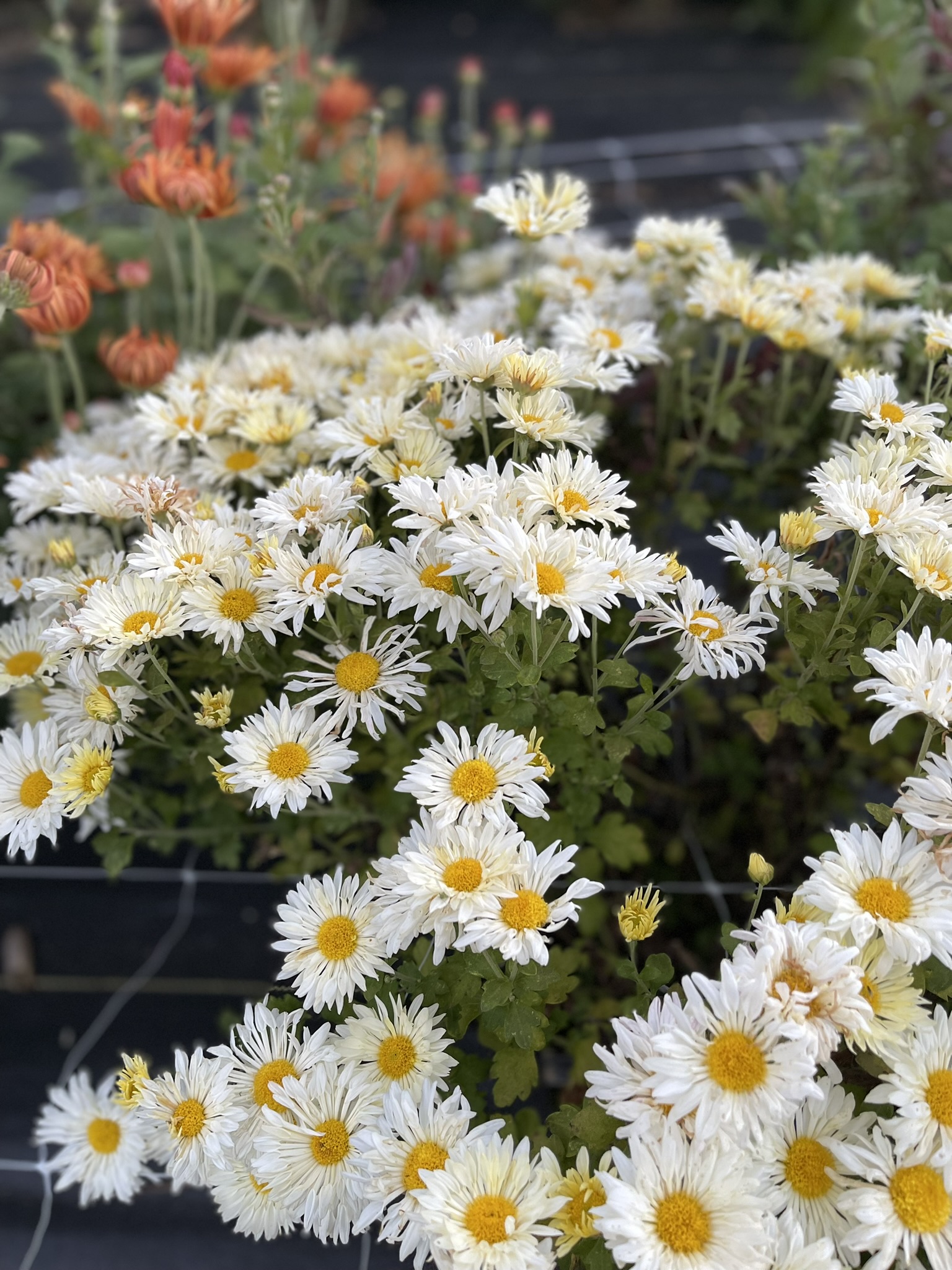
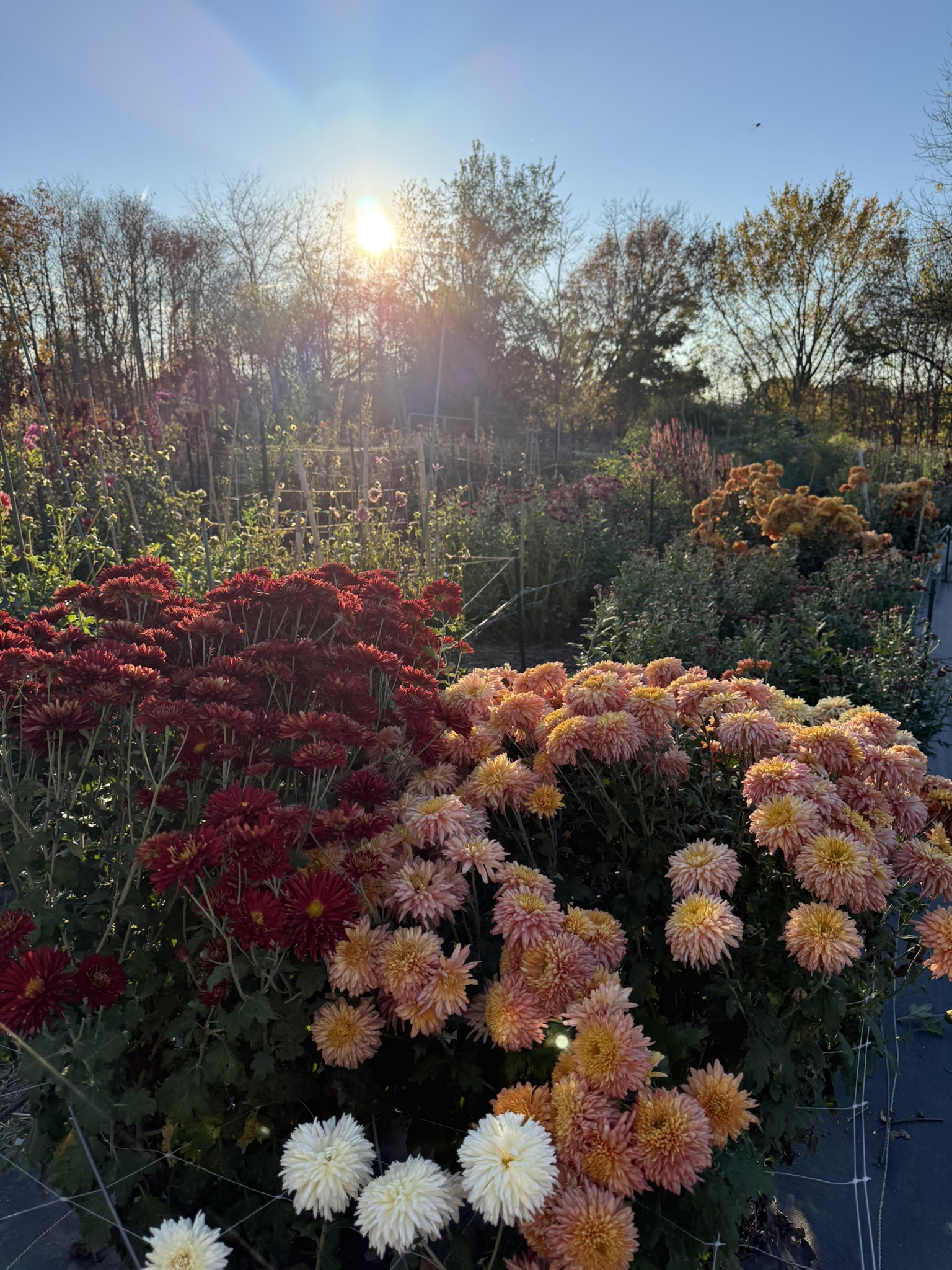
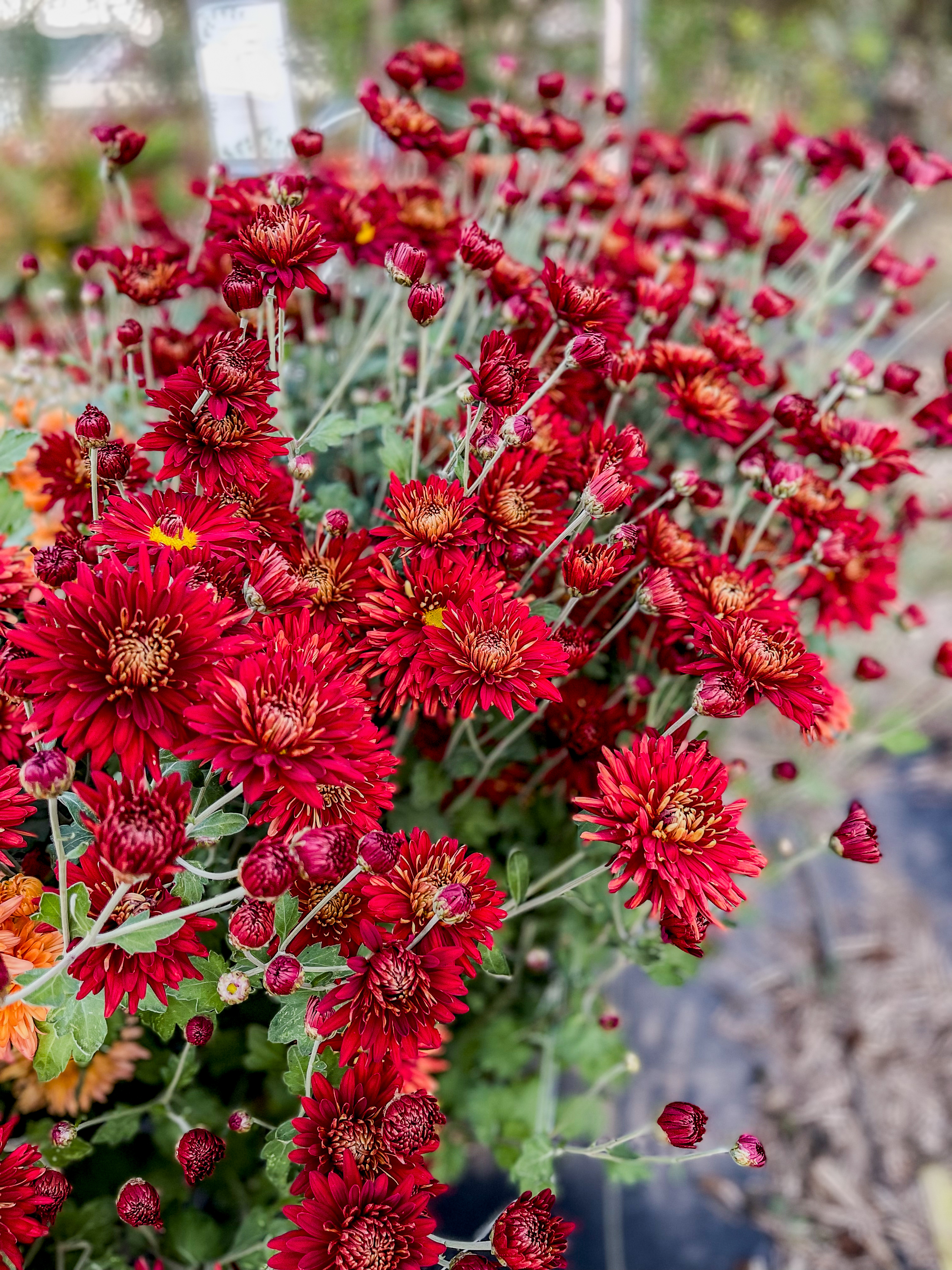
The heirloom mums are not delicate. They were bred before anyone worried about delicate. They bloom after everything else has the sense to stop, and they do it with a ferocity that reads less like beauty and more like argument. Crimson spider mums. Peach exhibition balls. Pink singles with orange centers. White daisy forms holding court while the rest of the garden has already come in.
Then the frost takes them too.
The annual holiday party is the most obvious example of grief transference any psychologist could ever imagine. Every year I willingly throw myself into a new set of tiny details — just to offset all the dopamine that the garden gives me and is now unable to give me because the season has fully ended.
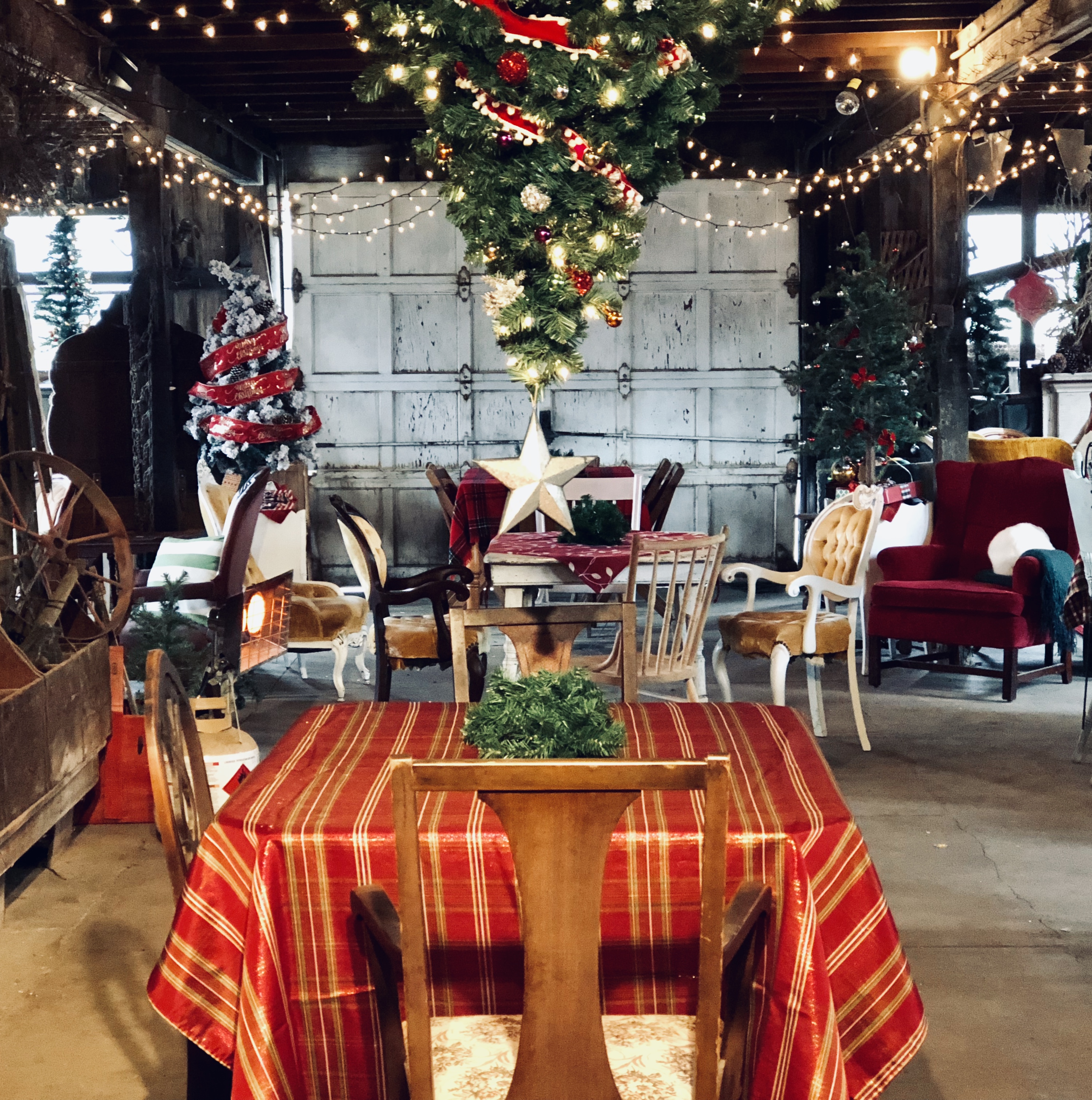
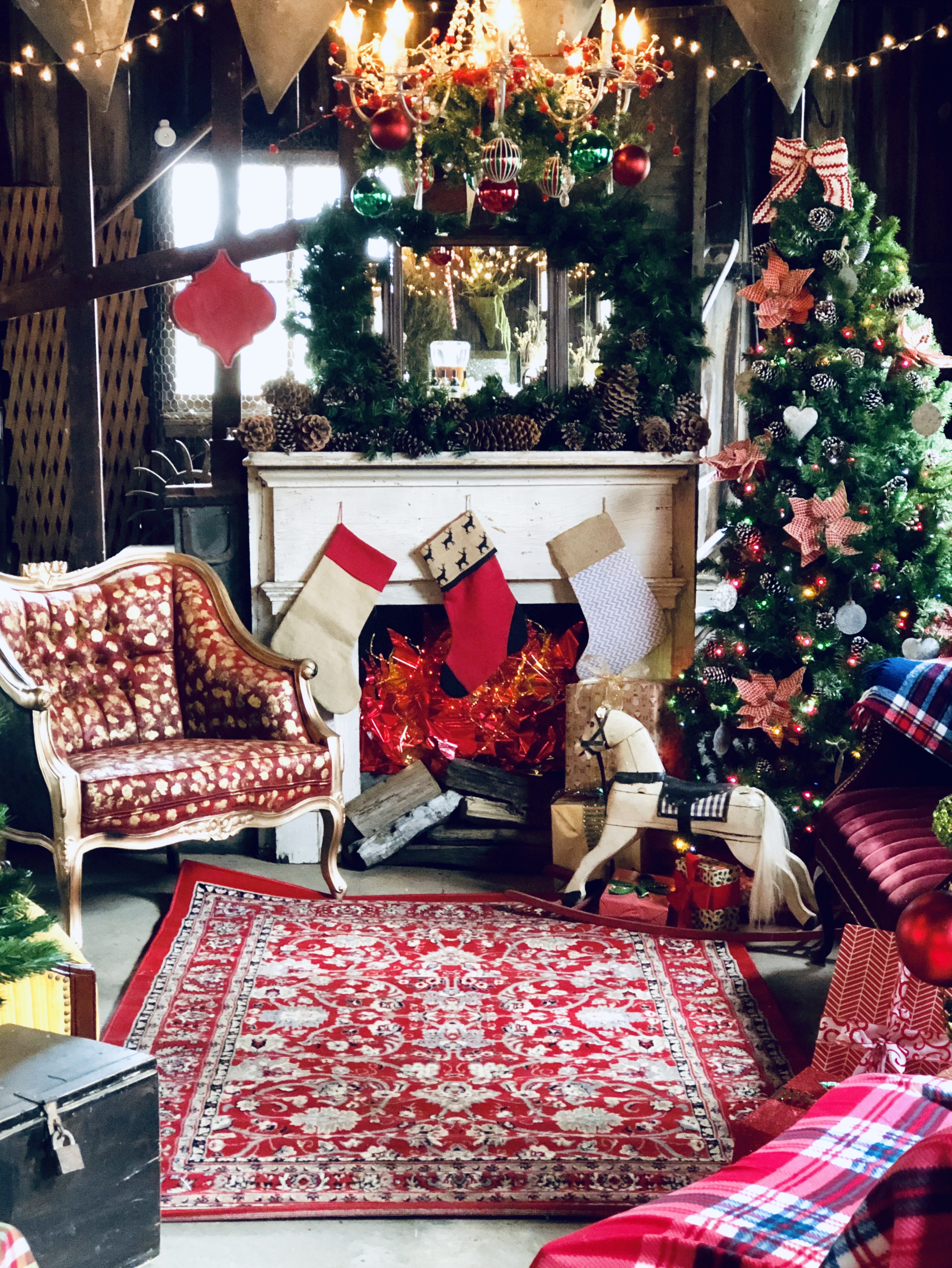
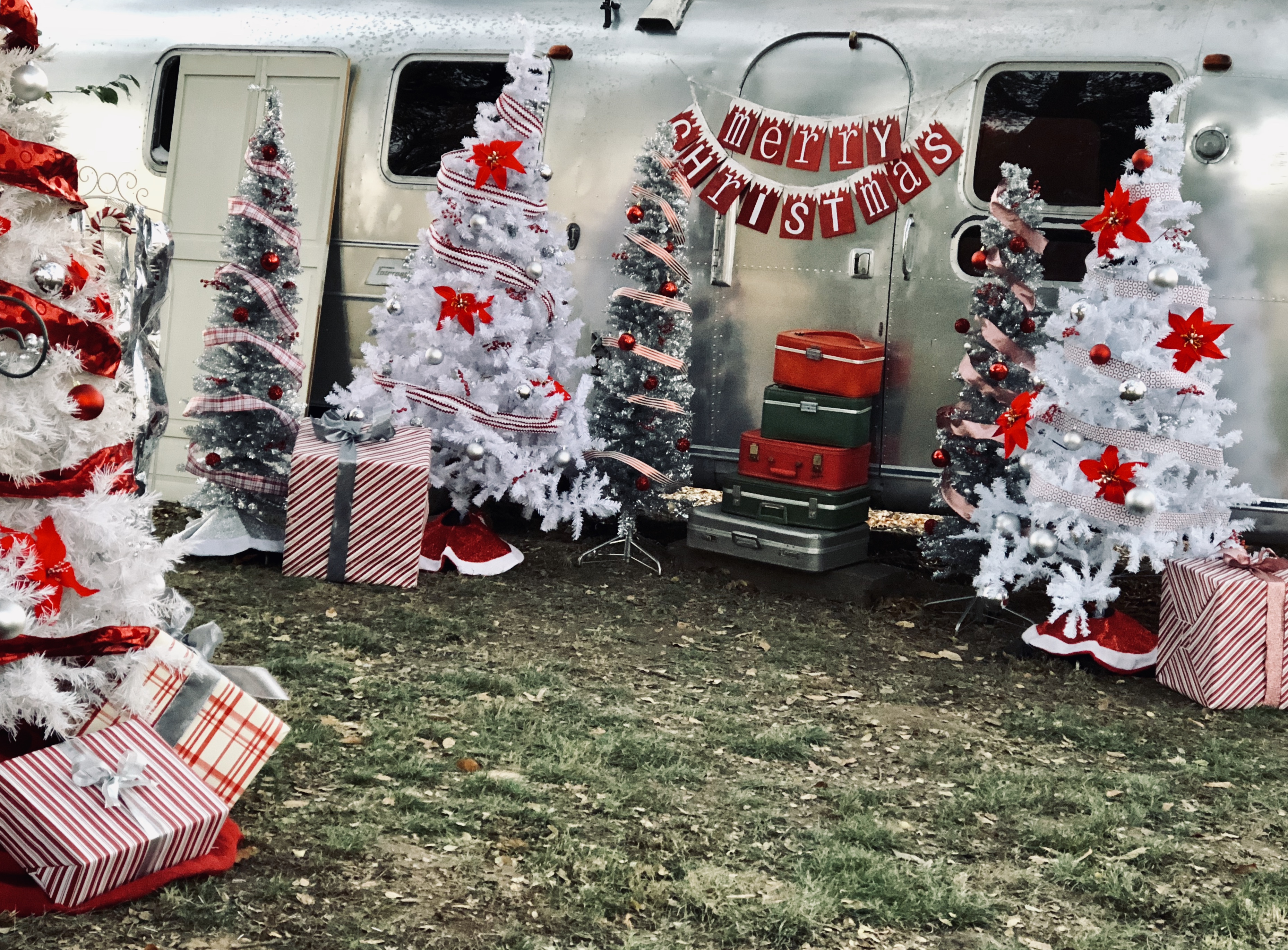
It doesn't really matter the holiday. I am festive and waiting eagerly for any of them to arrive. But more than anything else, Christmas takes up the most space in my traumatized brain as a pressure valve after everything in the garden comes to first frost. The barn becomes something else entirely. A tree hangs upside-down from the rafters. A fireplace that lives nowhere builds itself in the corner with stockings and a rocking horse and a chandelier draped in ornaments. Every mismatched vintage chair gets a tablecloth. The barbecue food truck arrives. The petting zoo sets up. An Airstream trailer becomes a photo backdrop surrounded by white Christmas trees and vintage luggage and wrapped gifts stacked on the lawn.
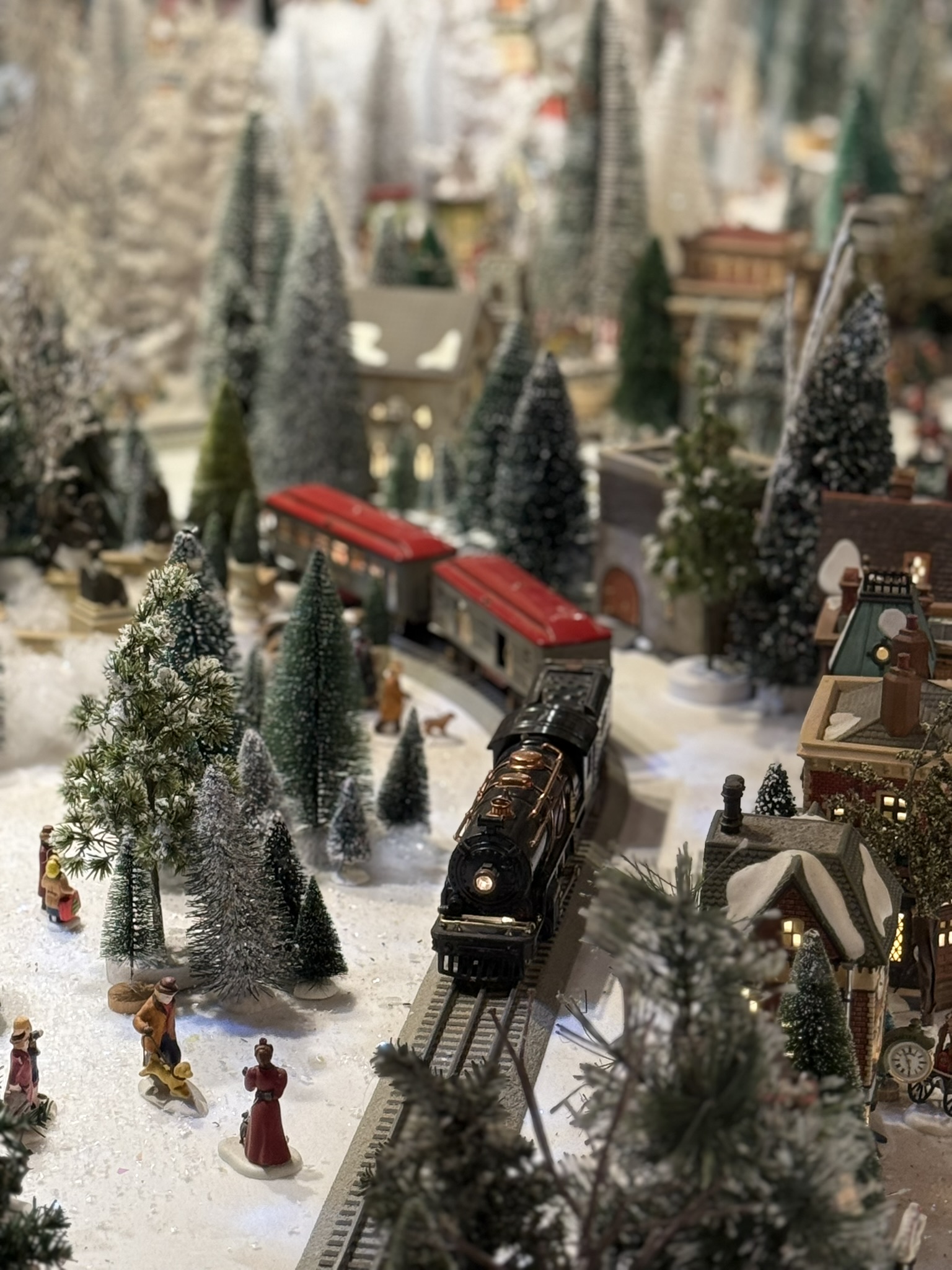
And then there is the train village.
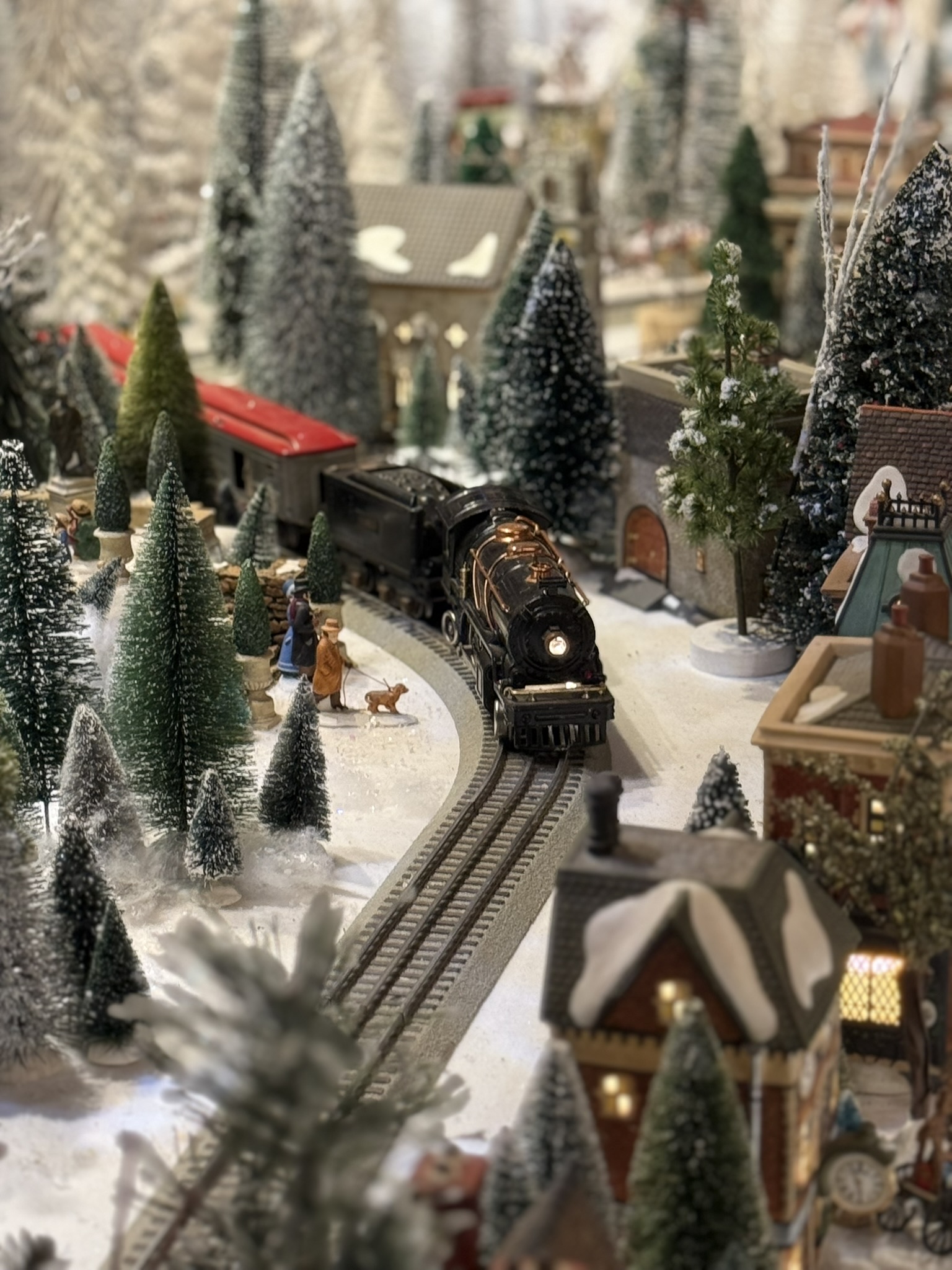
Every year I build a huge, elaborate, incredibly detailed Christmas train village. People come out specifically to see it. It takes weeks. I add to it every year — more buildings, more figurines, more tiny details that no one will ever notice unless they get very close and look for a very long time.
That is the point.
The garden gives me the same thing in June. When I am on my hands and knees looking for aphids on the underside of a rose leaf, I am not thinking about anything else. This table — sixteen feet wide and twenty-four feet long of miniature winter — does the same thing in November. It requires the same total attention. It rewards the same close looking. It takes a village to re-regulate my nervous system after first frost.
Literally.
.JPEG)