Arlene
Before I understood what I was fighting for, there was Arlene.
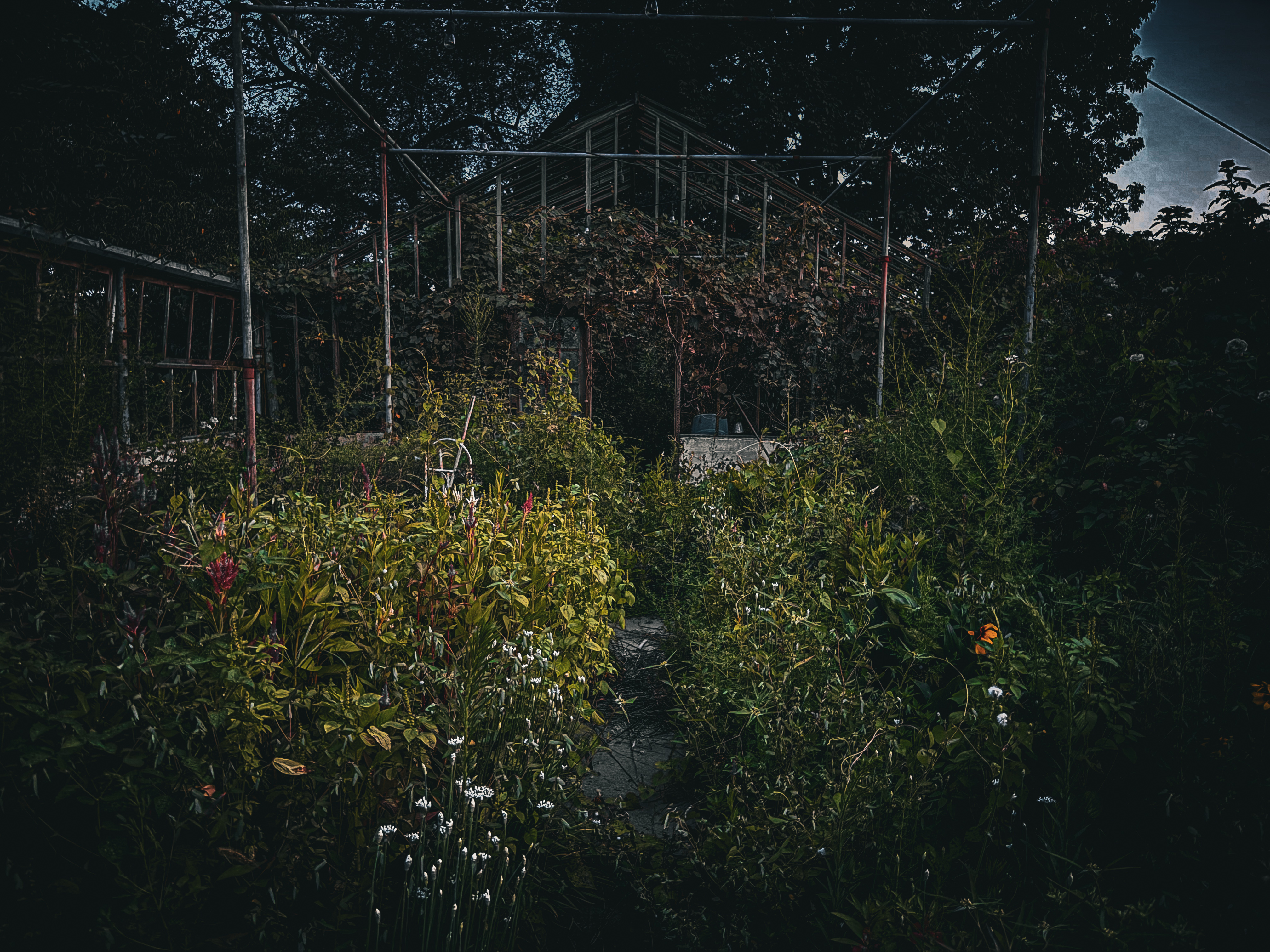
Arlene was the wife of the caretaker of this property during the Depression and World War II. She had a Victory Garden. She had a root cellar. And inside that root cellar — which I like to imagine as a cathedral of preservation, cool and dark and breathing — she kept what she had grown, jar after jar after jar. Floating summer in different colors and shapes. That's how I think of it: summer suspended, summer saved, summer set aside for the months when there was nothing left outside.
Every time I reach into a freezer or seal a jar, I am doing what she did — holding the season open a little longer than the season intended to stay.
The Orchard
My great-grandfather planted an orchard on this land in the late 1920s. One pear tree, a peach, an apple, an apricot, a plum, a cherry — and what I can only imagine was the quiet confidence of a man planting something he knew he wouldn't fully enjoy. That's the thing about fruit trees, like all trees: we plant them for people we may never meet.
In 1949, a tornado came through St. Louis. It took things. But it didn't take the greenhouse, because the cedar windbreak held. My great-grandfather had planted that too — rows of cedars running along the farm's edge, standing between the storm and everything he'd built. A trauma buddy, I call it now. Still standing. Still doing the work.
I grew up with warm fruit in my hands. Pears straight from the tree, juice running. Peaches so ripe they were almost too much. That sensation — the warmth, the sweetness, the weight of something alive — is etched in plum juice for eternity. It is one of the sensory anchors of my childhood, which means it is one of the anchors of me.
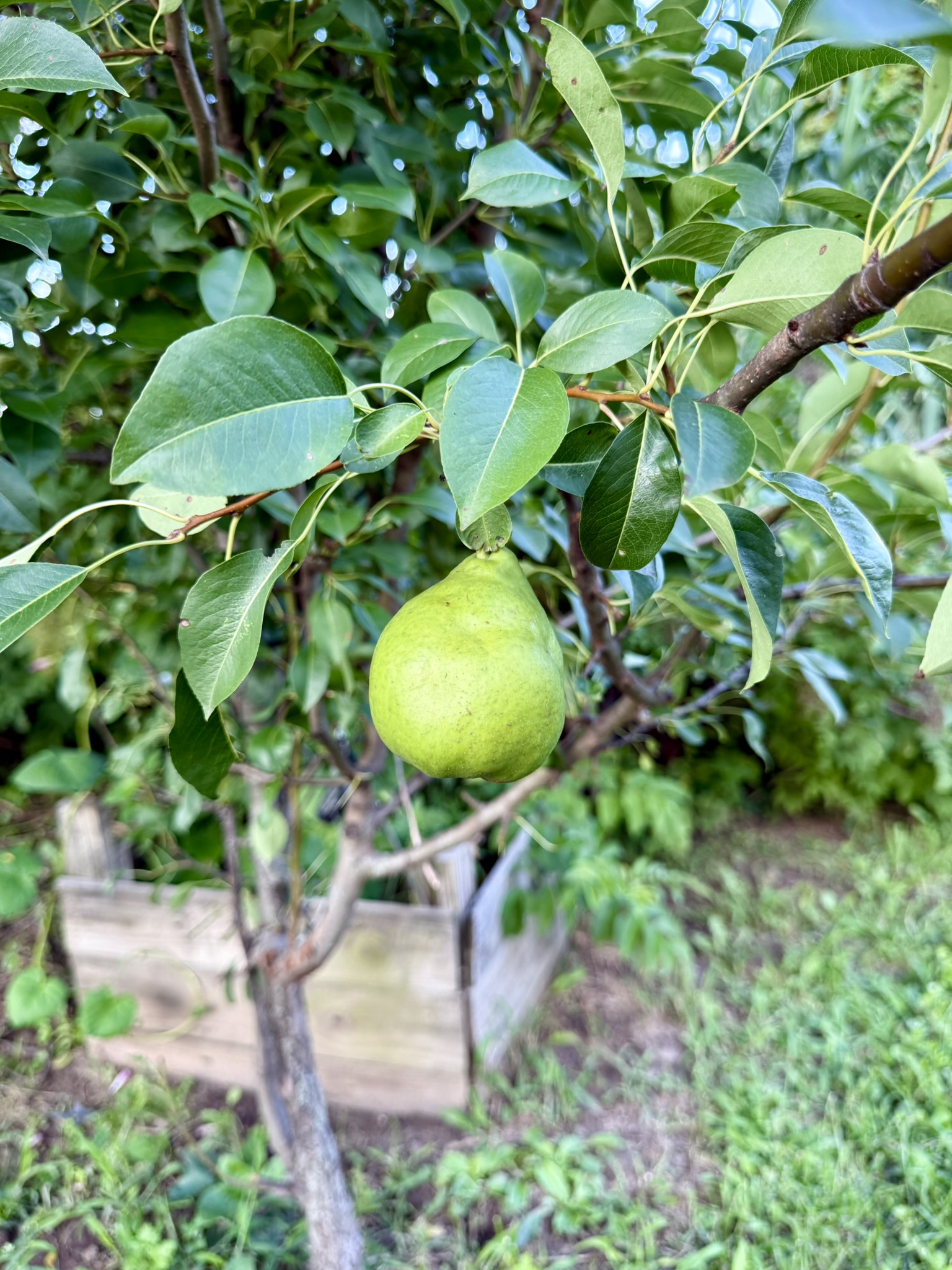
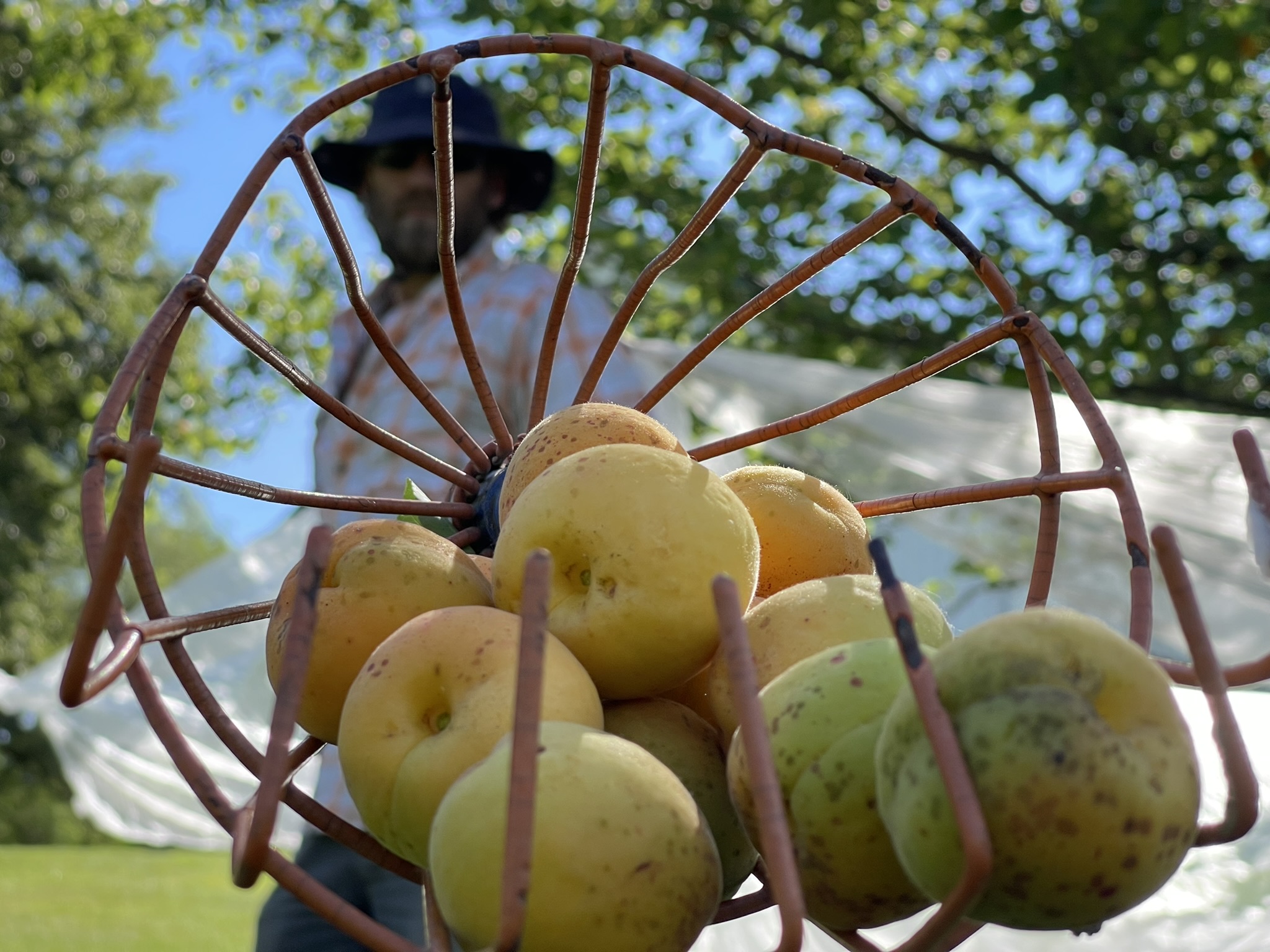
The new orchard — replanted, and finding its way
The Return
When my mother died, I came back to this farm. Not as a visitor, not as a caretaker — as the person who would decide what it was next. That kind of grief has a strange gravity to it. It pulls you toward the ground, toward roots, toward things that grow slowly and stay.
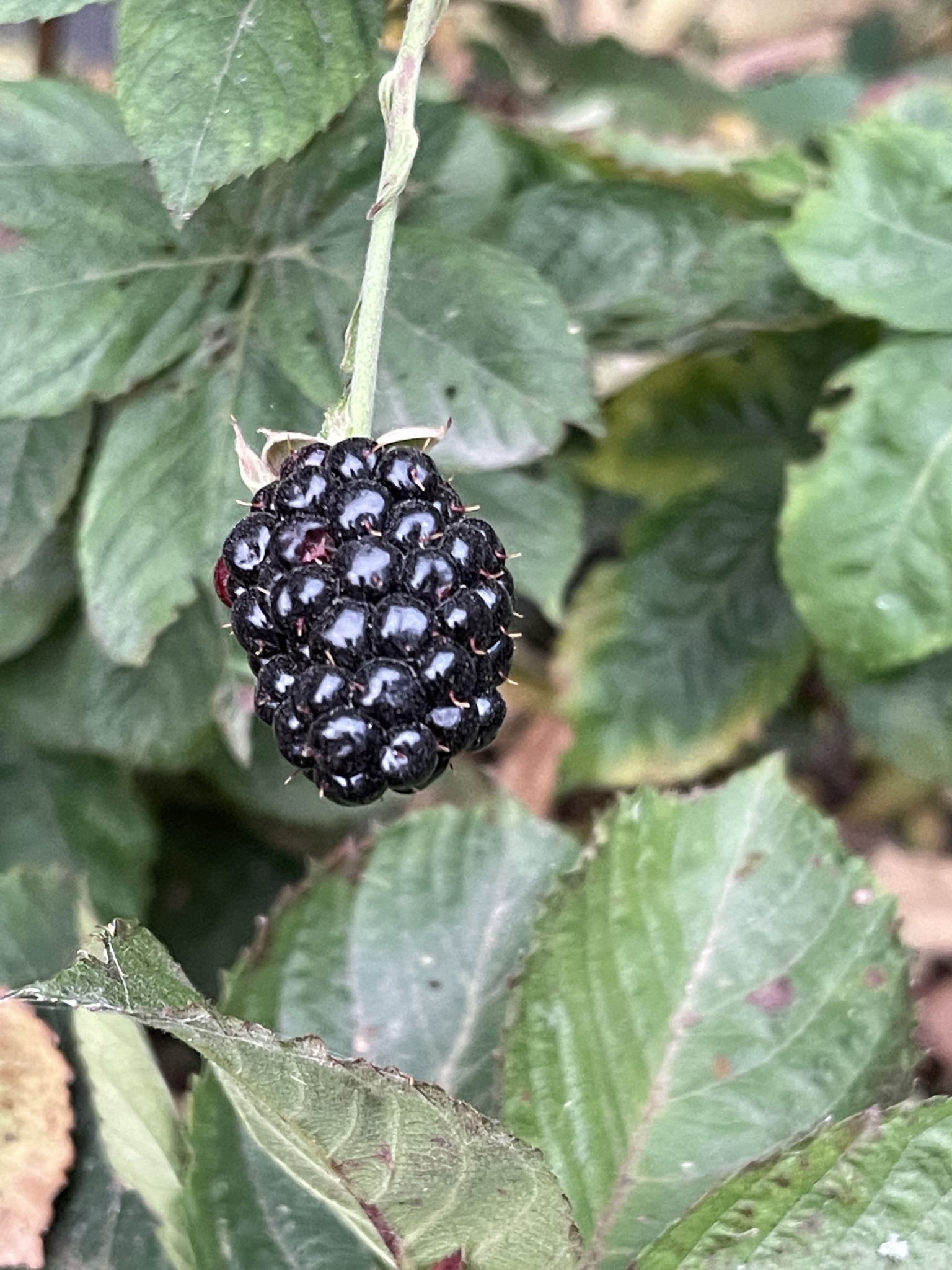
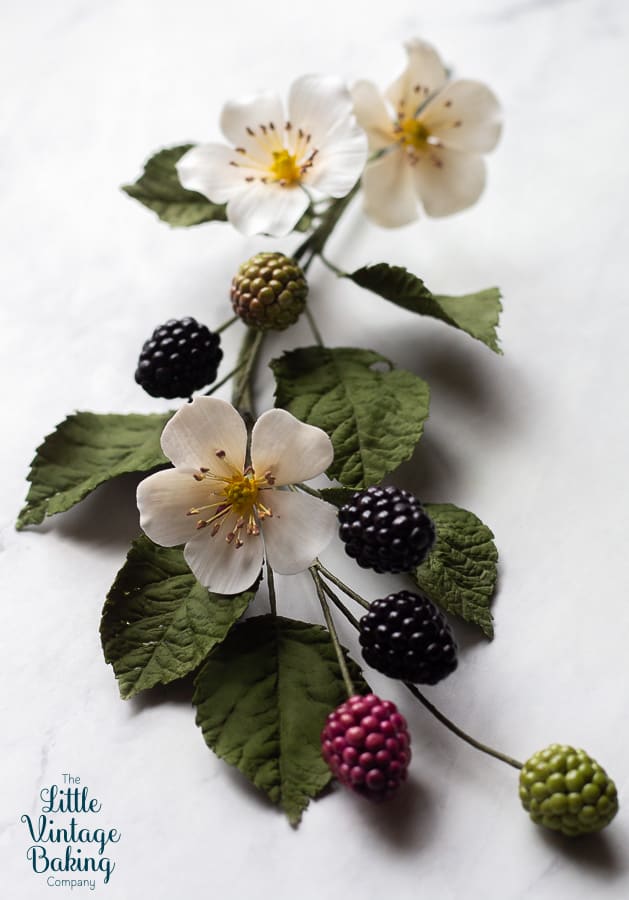
I replanted everything. The orchard — starting over, starting small, planting for after myself exactly the way my great-grandfather did. I dedicated a room in the greenhouse to berries: grapes growing wild and lush over the old wood structure the way they seem to want to do if you just let them, hundreds of blackberry and raspberry and blueberry bushes finding their way into soil that has been farmed by my family for generations. Lots and lots of strawberries. And brief, wonderful obsessions — ground cherries, which are their own small universe if you let yourself fall into one.
Sometimes I go out there at midnight. Bistro lights strung overhead. The fruit not yet ripe, the canes just holding the shape of what's coming. I stand in that space and I know something I want to name precisely: Not as a passenger in somebody else's reality, but the active architect of my own.
This is the world I want to live in. I am building it. That's the whole story.
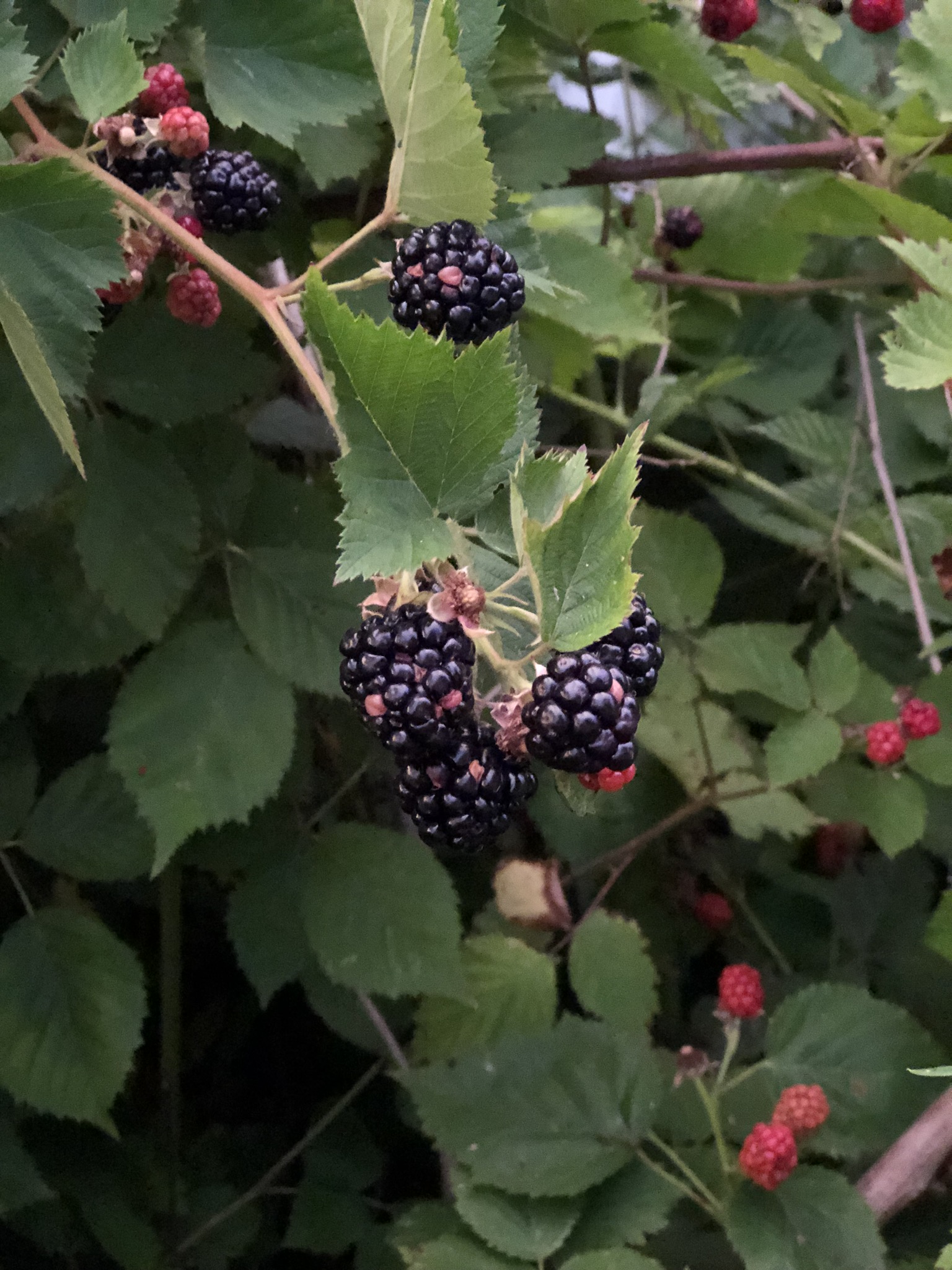
The berry room — growing back into itself
What It Becomes
I grow all of this knowing that most of it will never make it into a piece of jewelry. It won't be pressed, preserved, encased, or encircled in gold. It is simply beautiful, growing here, making sweet things that fill this air in summer. Some of it becomes leaves I use for pigment or fragments that find their way into the work. Some of it becomes teas. Some of it becomes something you could put on toast.
And some of it — quite a lot of it, honestly — goes straight into the freezer. Which is the most honest thing I can tell you about what this farm means to me.
I have a freezer to prove it.
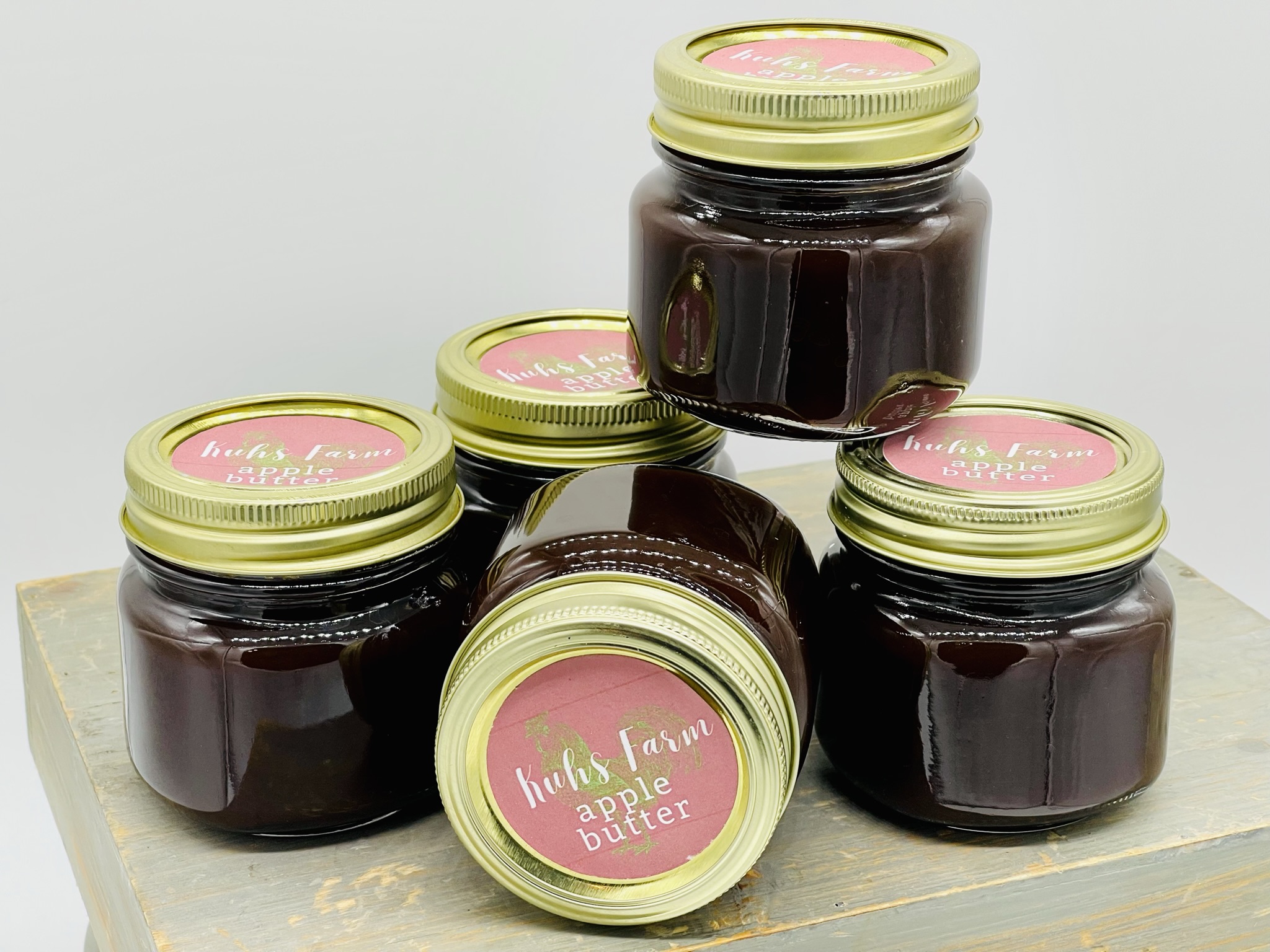
Kuhs Farm apple butter — floating summer in different colors and shapes