Moss appeared on land before trees. Before flowers. Before insects. Before almost everything we think of as the natural world. It colonized bare rock and broken ground and the sides of things, and it made soil where there was none, and it held water in places that had forgotten rain, and it did all of this without roots, without seeds, without any of the apparatus that more complex plants would later develop. It did not need them. It still doesn't.
There are approximately 12,000 species of moss. They grow on every continent, in every climate, from the equator to the poles. They are among the most resilient organisms on earth — capable of complete desiccation, of surviving decades without water, and of returning to full metabolic activity within hours of a single rainfall. They are the definition of patient.
"Mosses have the ability to bring the dead back to life."
— Robin Wall Kimmerer, Gathering MossWhat Robin Wall Kimmerer Knows
Robin Wall Kimmerer is a botanist, a bryologist (a scientist who studies mosses), and a member of the Citizen Potawatomi Nation. Her book Gathering Moss is one of the most beautiful works of science writing ever produced, and it changed the way many people understand not just moss but attention itself.
Kimmerer writes about moss as a teacher — not metaphorically but structurally. Moss has solved problems that larger plants have not. It understands water in ways that root systems cannot approximate. It builds community in ways that isolated trees cannot manage. To study moss seriously is to discover that what we thought of as primitive is in fact sophisticated in a register we don't know how to read.
"In the ways of the world, mosses are the elders. They are living teachers of the way of slowness and of the joy of doing one thing very well over a very long time."
— Robin Wall Kimmerer, Gathering MossThe Sunken Garden Stones
On the estate side of this property there is a sunken garden — a terraced stone amphitheater built by hand in the 1920s and 1930s. Stone pathways, stone steps descending to a lily pond, a derelict pool whose water is long gone. Ten thousand people a year came to see it at its height. Then time passed, and the visitors stopped, and the garden was left to do what gardens do when no one is performing them.
The moss found the stone. Moss measures time in a way nothing else does. A thick, established community of moss on stone is evidence of decades of undisturbed stillness — no scraping, no pressure-washing, no intervention. It does not rush to colonize. It arrives slowly, establishes patiently, and then simply continues. The moss on these stones is the century making itself visible.
These photographs are all taken on those old pathways and steps and at the edges of that derelict pool. Different species, different surfaces, different light — the same question underneath all of them: what grows when you leave something alone long enough?
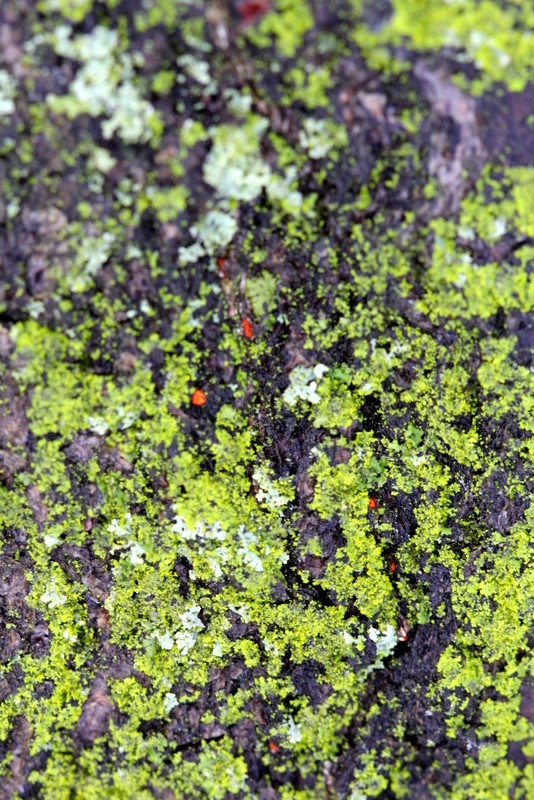
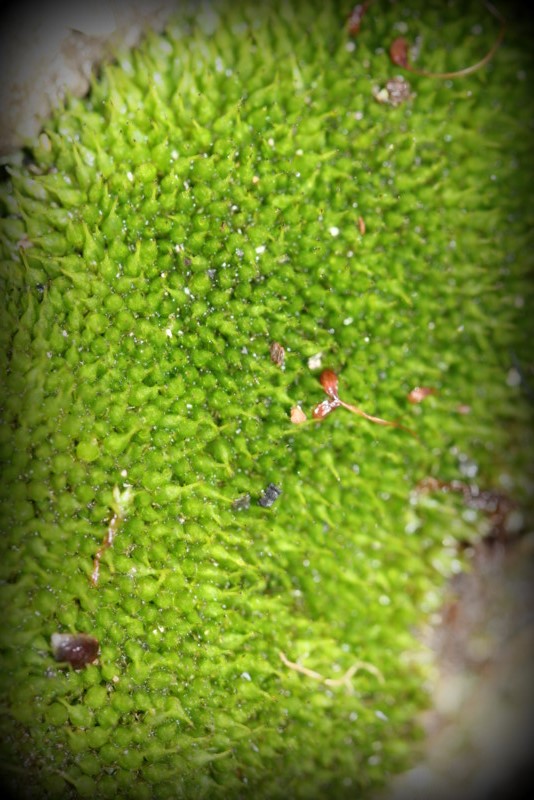
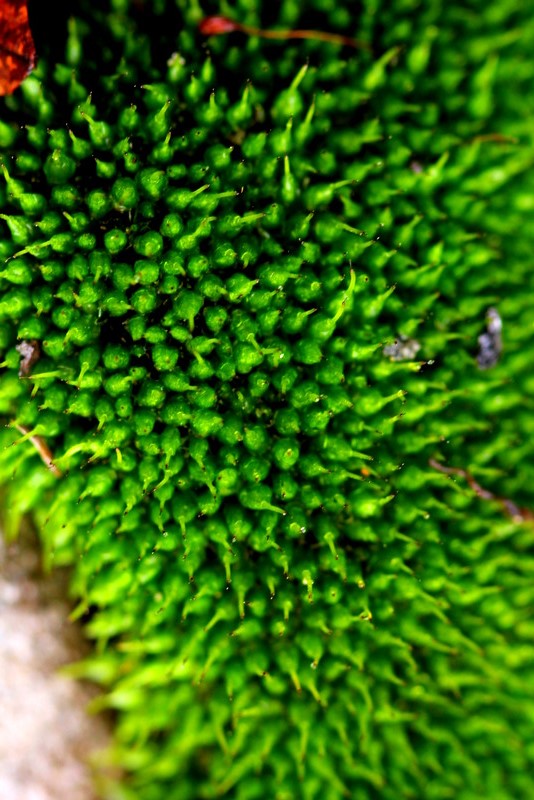
On bark — lichen communities, visible only if you stop
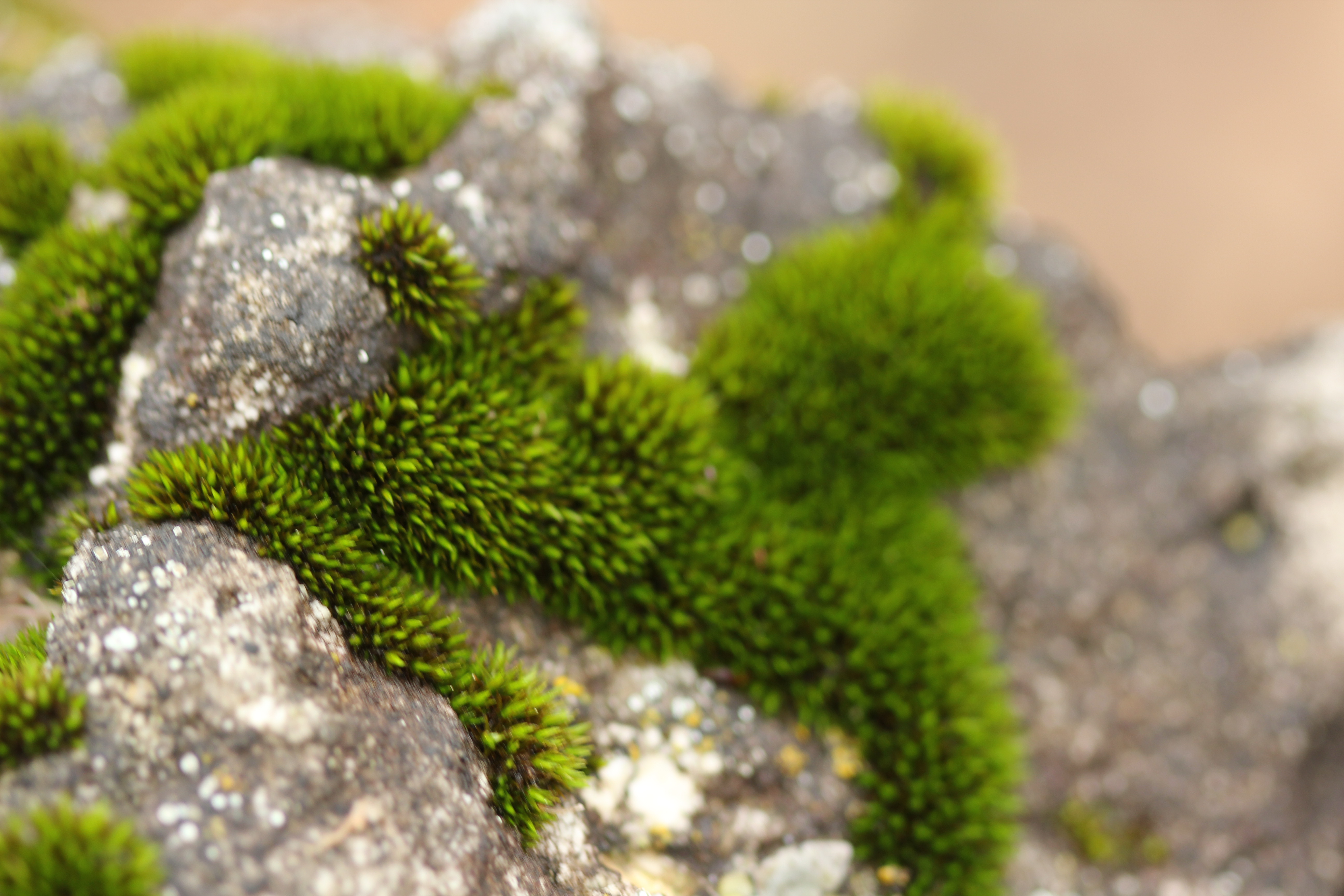
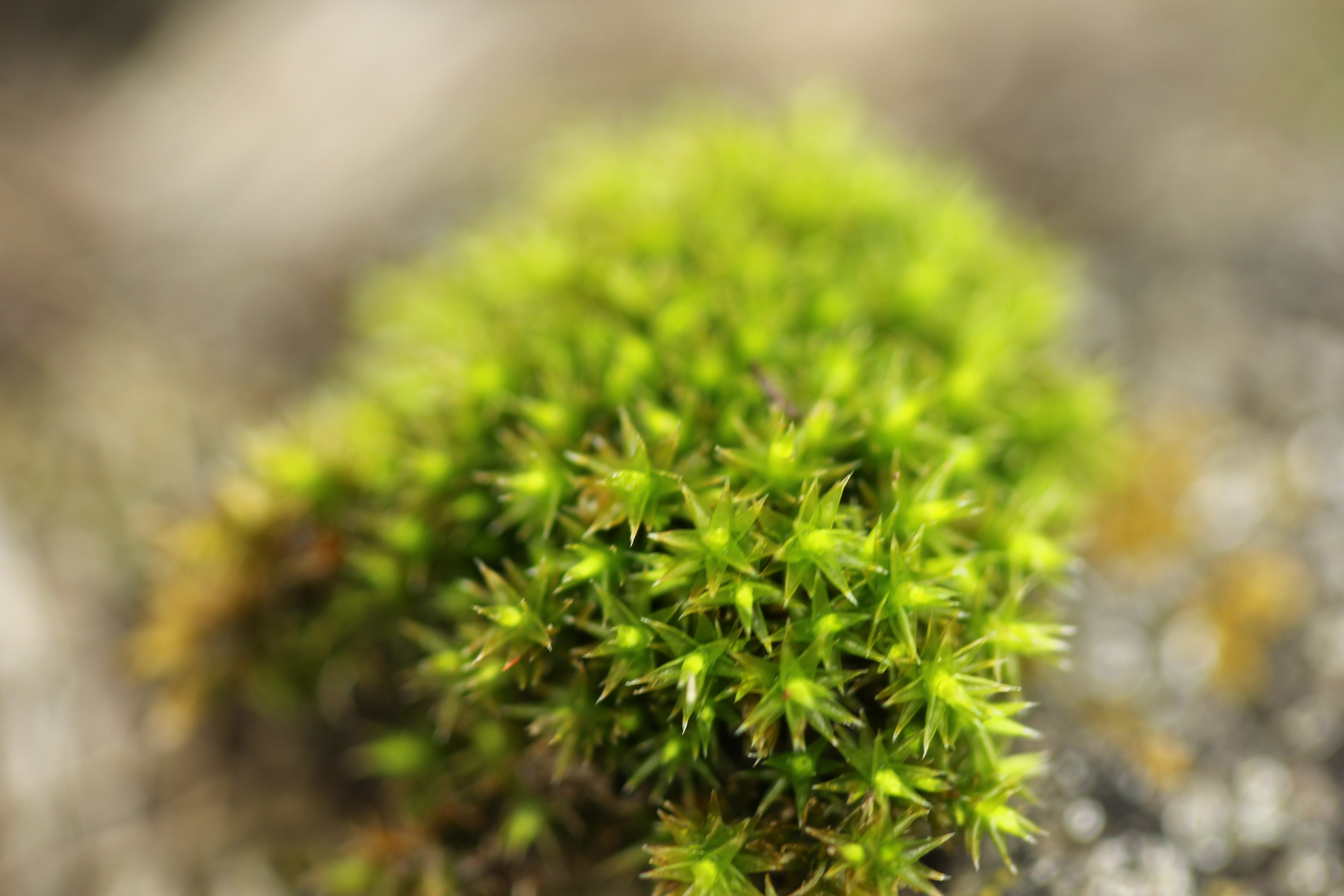
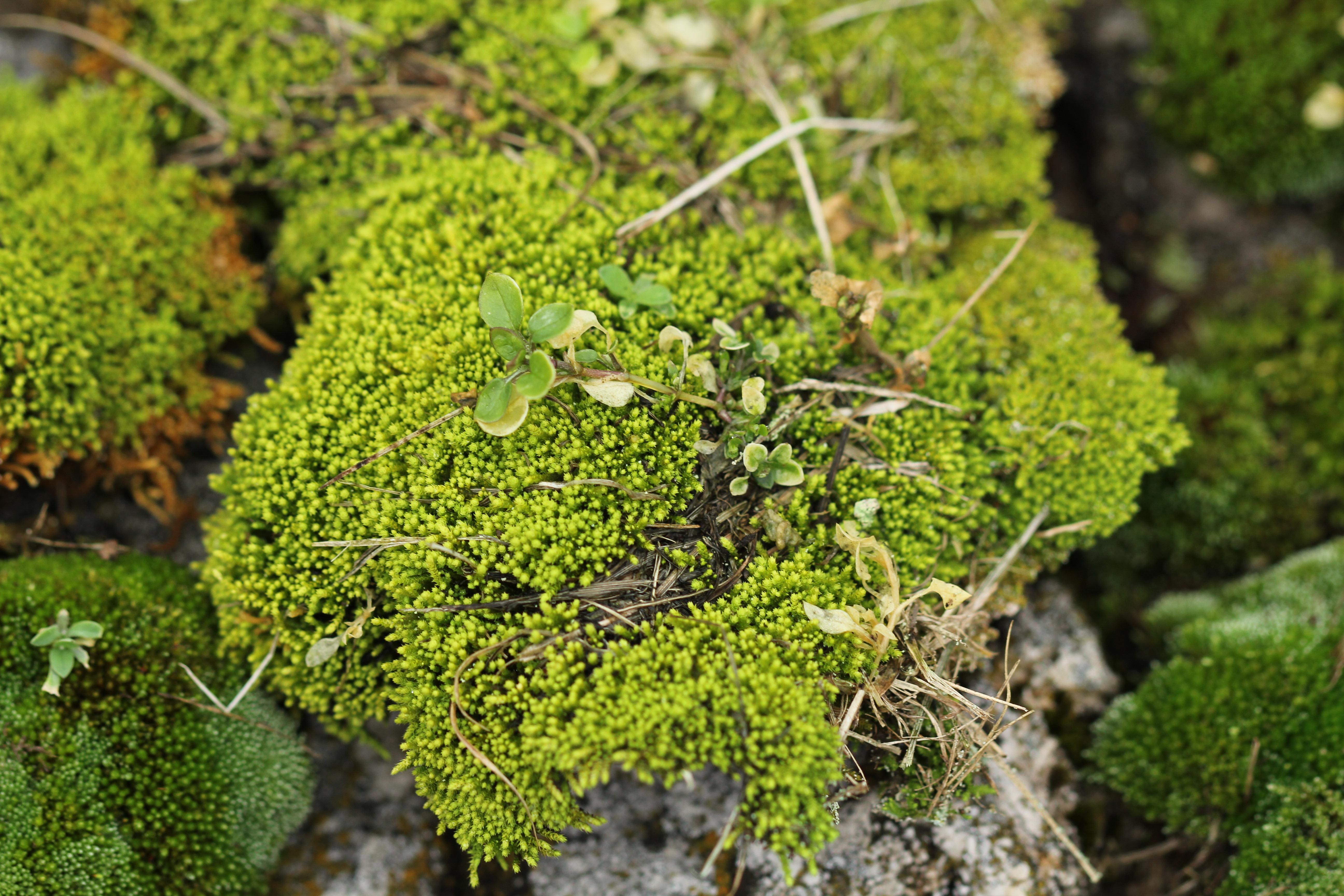
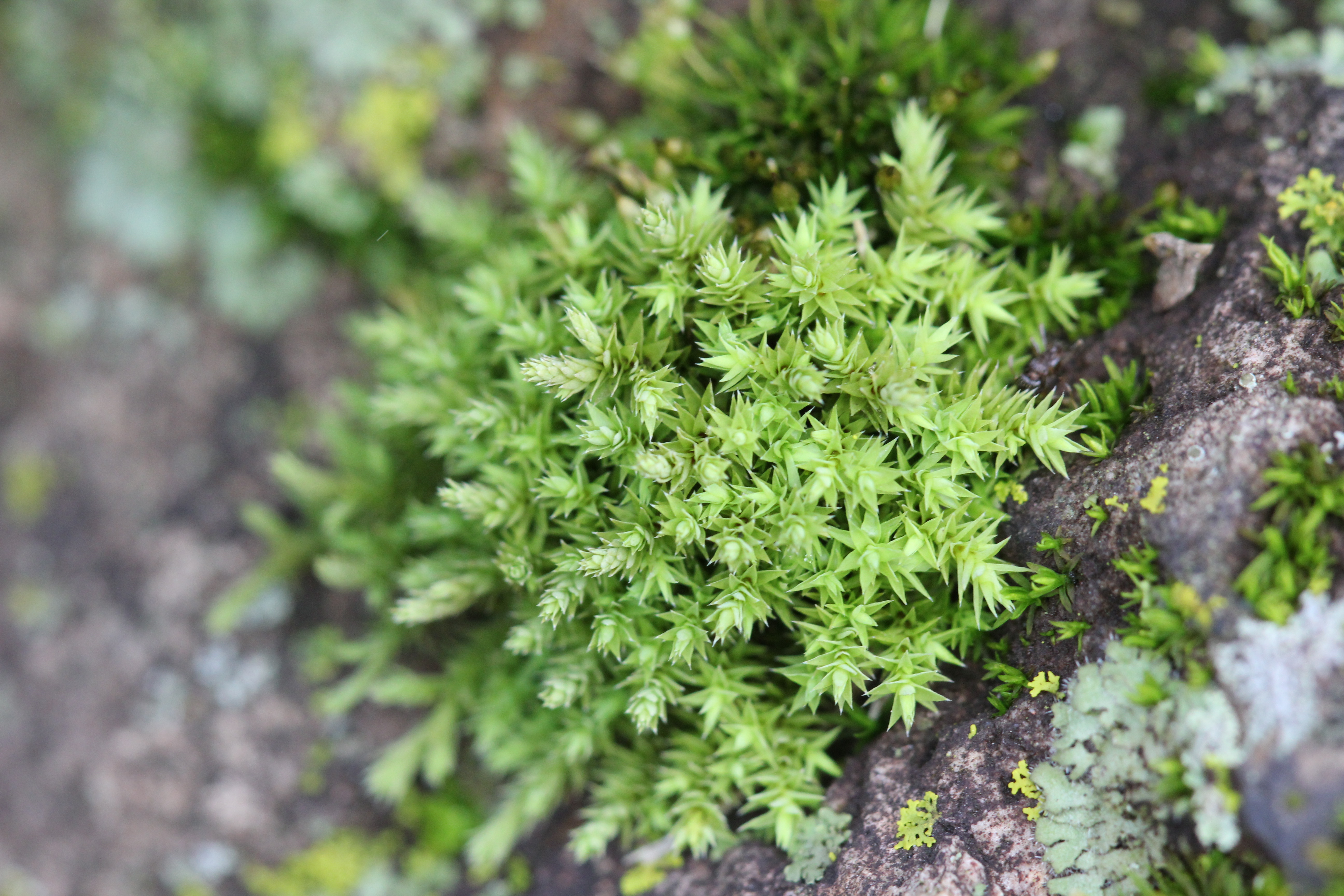
On stone — cushion, star, and mound forms
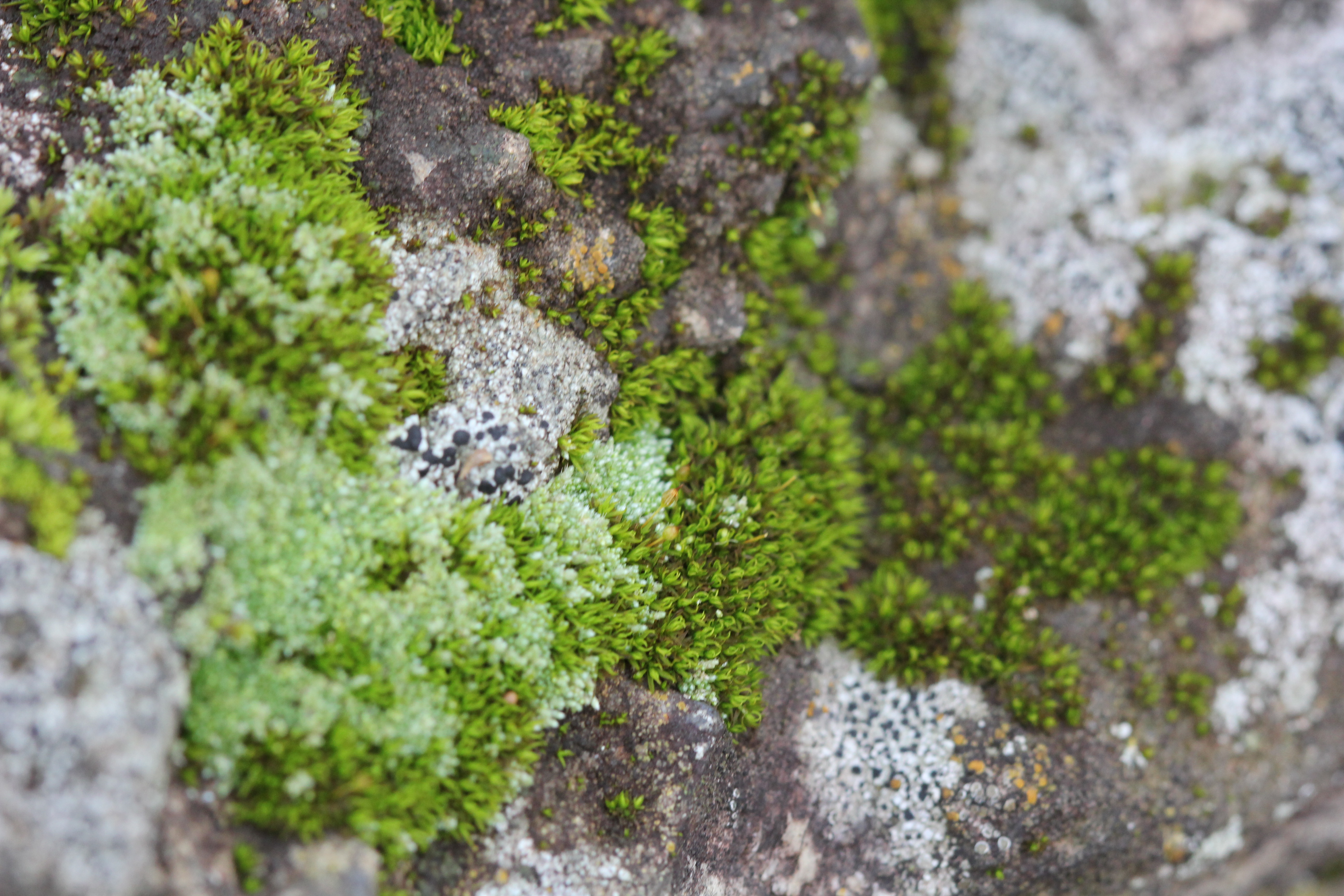
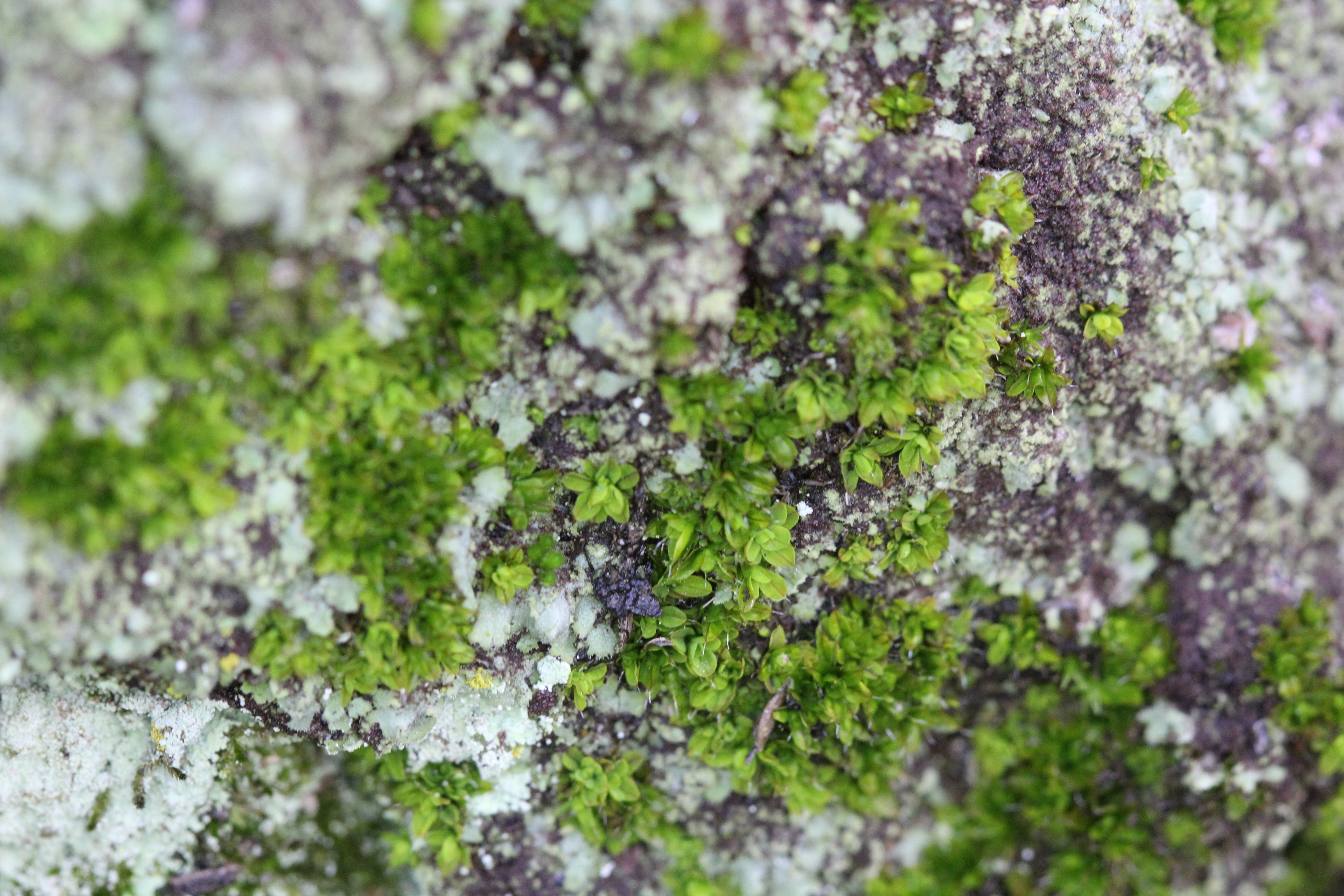
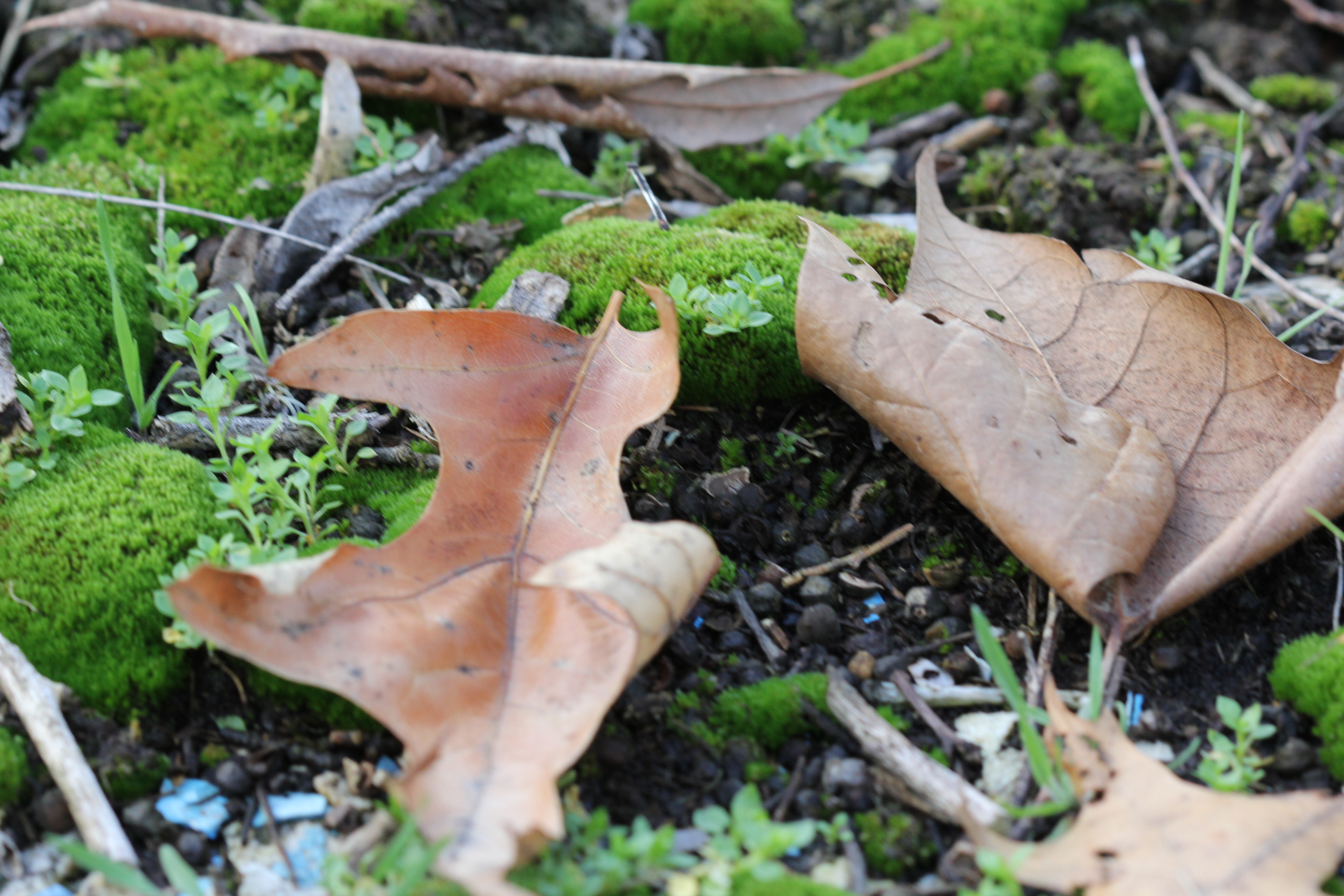
The century-old stone walls — a community built over decades
Why Moss Matters Here
Moss doesn't appear in the jewelry — it doesn't press well, and it loses what makes it itself in the transition. But it matters to the practice because it teaches the same lesson the press teaches: pay attention to what is small. The most extraordinary things on this land are not the daylilies, as spectacular as they are. They are the things you almost step on. The things you pass every day without seeing.
Moss is the reason to slow down. It is the argument, made in green, for the scale of attention that produces good work.
"The trees act as if they are permanent, the mosses as if they understand impermanence. Perhaps that is what makes the moss so beautiful."
— Robin Wall Kimmerer, Gathering Moss