The sorrel leaves on the table are not beautiful because they are unusual. They are beautiful because they are exactly what they should be — the pattern of their veining is the pattern of efficient fluid distribution, solved by evolution over millions of years. The texture of their surface is the texture of cells packed to maximize photosynthesis. Natural patterns are not decorative. They are functional solutions that happen to be beautiful.
This page is a record of those solutions — photographed here, on this land, across seasons. These are not stock images. They are the actual surfaces, textures, and patterns that feed the work. The things seen every day that appear, eventually, in the composition decisions made at the bench.
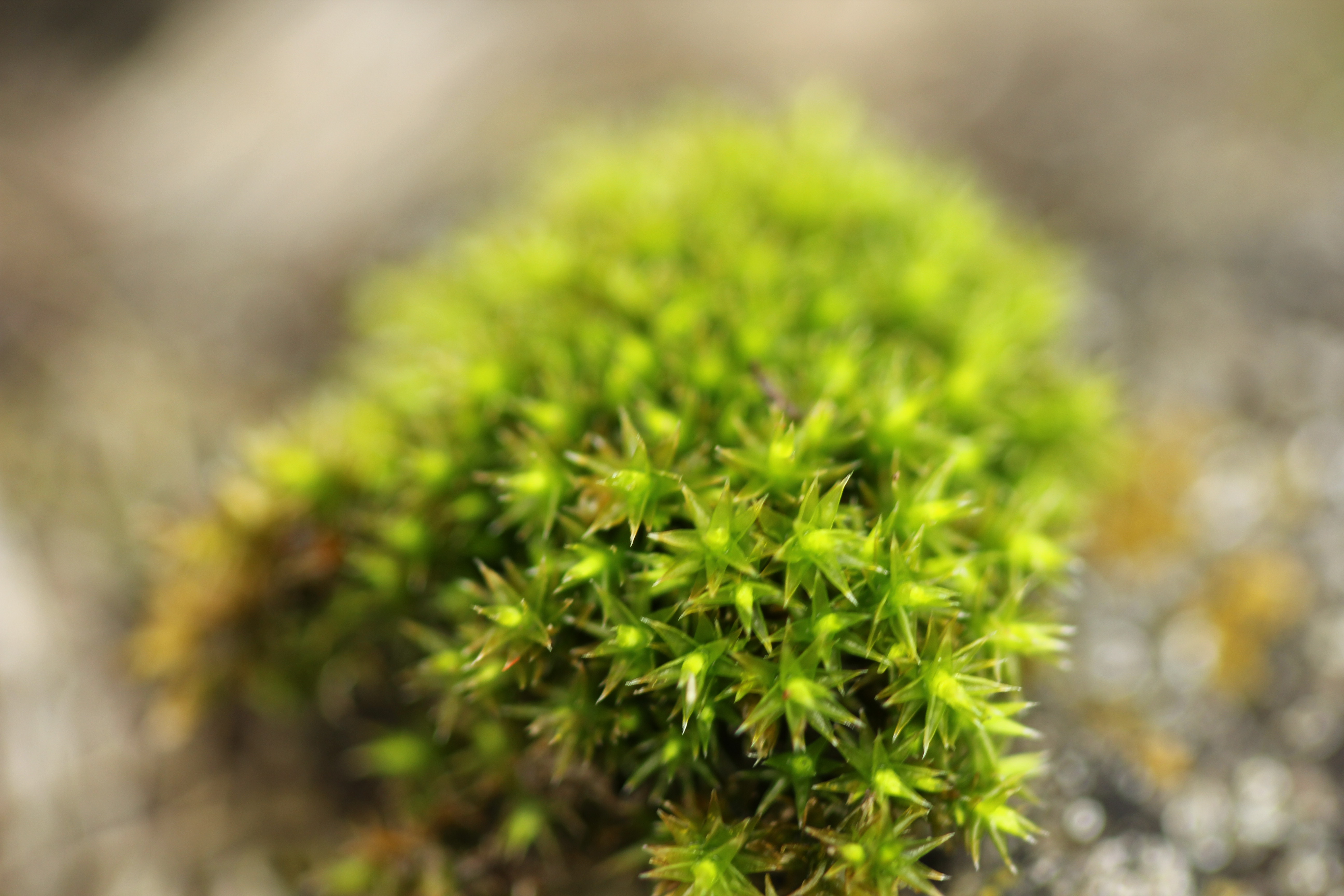
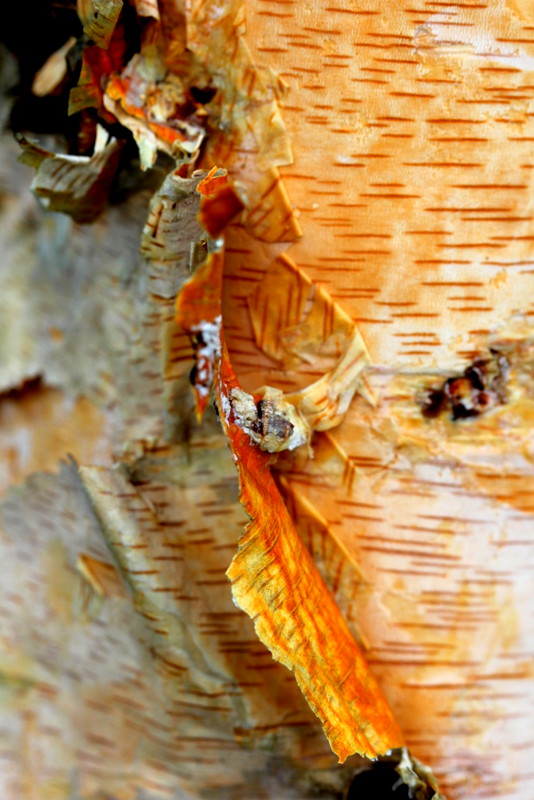
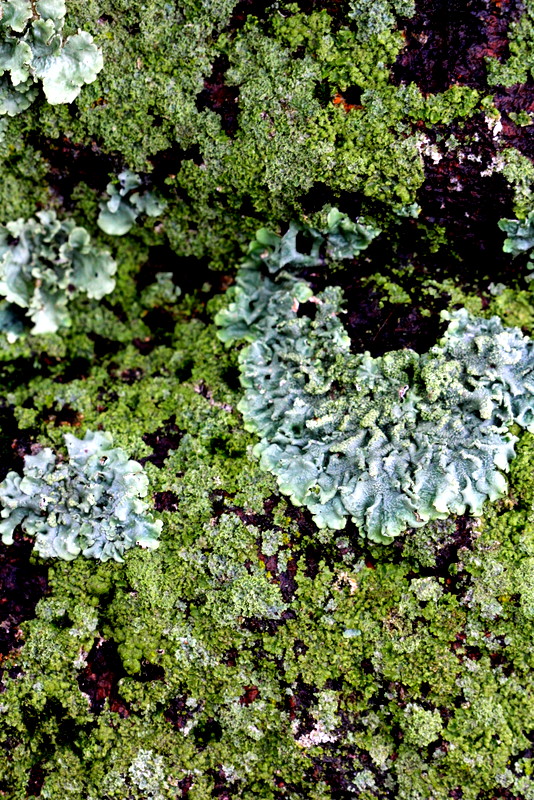
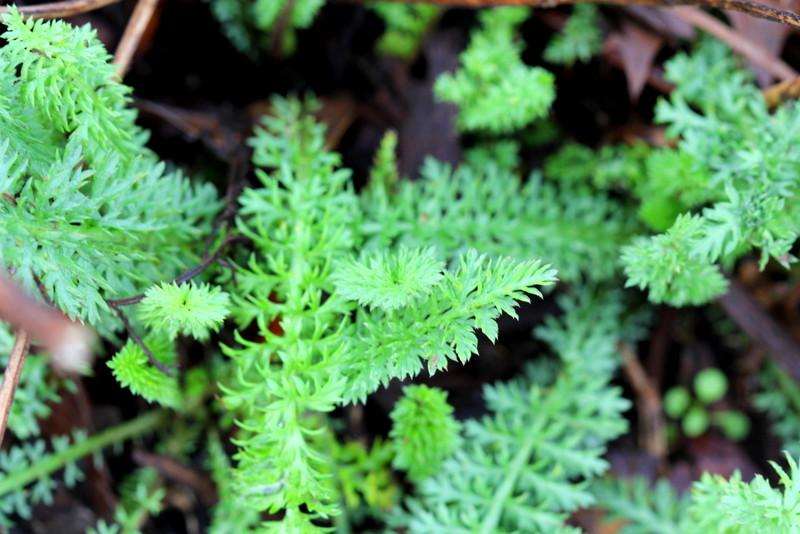
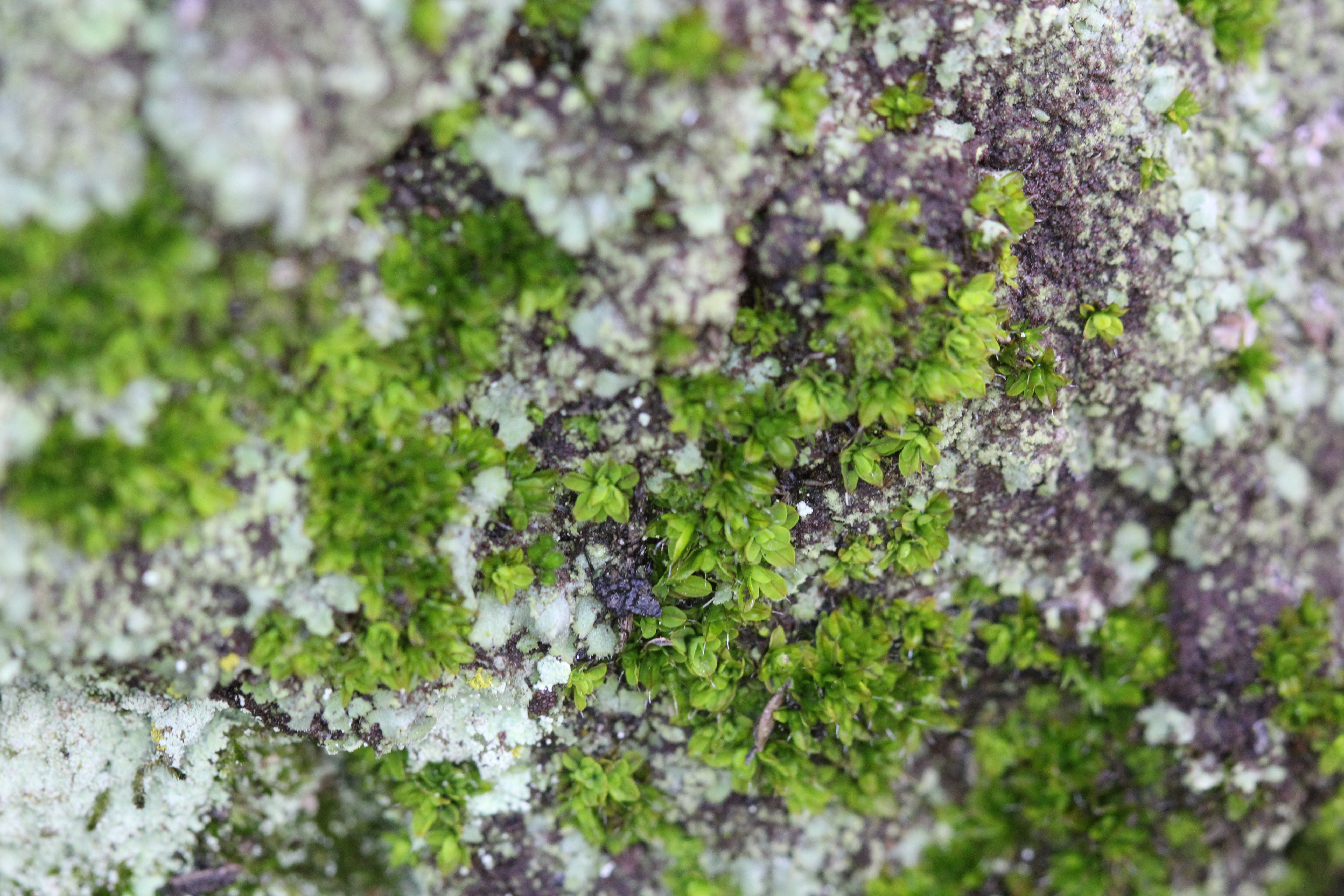
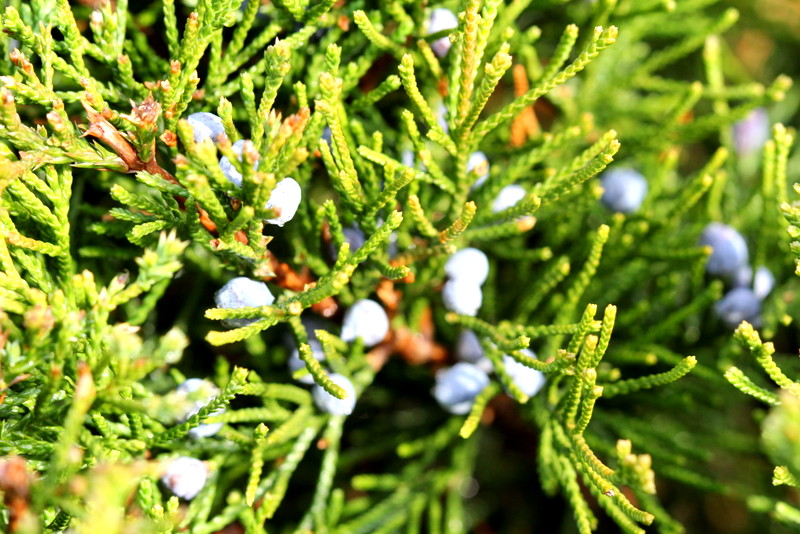
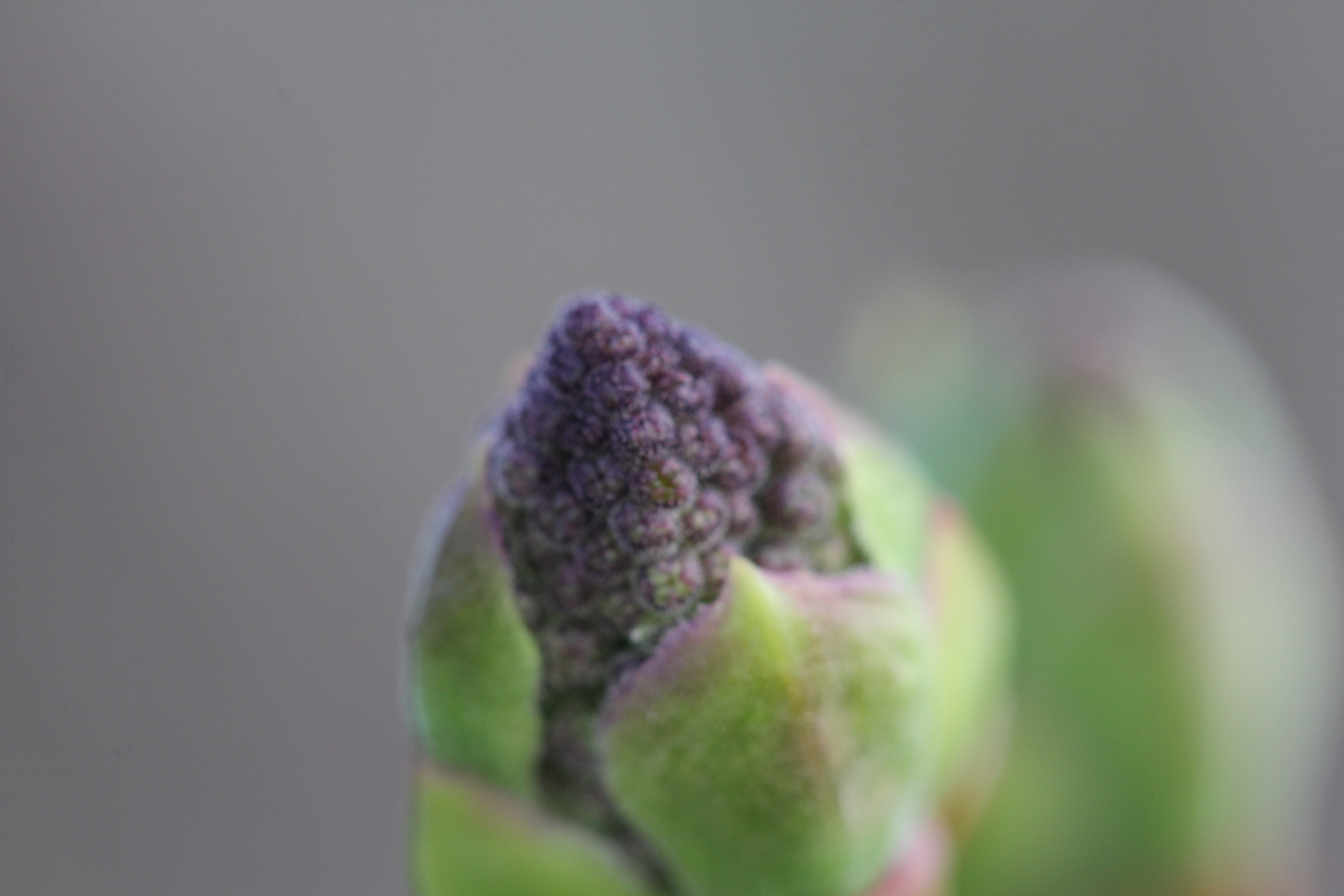
Pattern and texture — photographed on the land
The Mathematics Underneath
The Fibonacci sequence — 1, 1, 2, 3, 5, 8, 13, 21 — appears in the spiral arrangement of seeds in a sunflower, the branching of stems, the unfurling of ferns, the arrangement of scales on a pine cone. It is not a coincidence. It is the most efficient packing solution that exists, arrived at independently by thousands of species over millions of years of selection. The plant world keeps discovering the same mathematics because the mathematics is correct.
The golden ratio — approximately 1.618 — governs the proportions that feel right to the human eye: the rectangle that seems most balanced, the spiral that seems most harmonious, the composition that seems most resolved. It governs these things because we evolved in a world full of it. When something in nature looks beautiful to us, it is often because our eye has been calibrated to that particular solution by a hundred thousand years of living inside it.
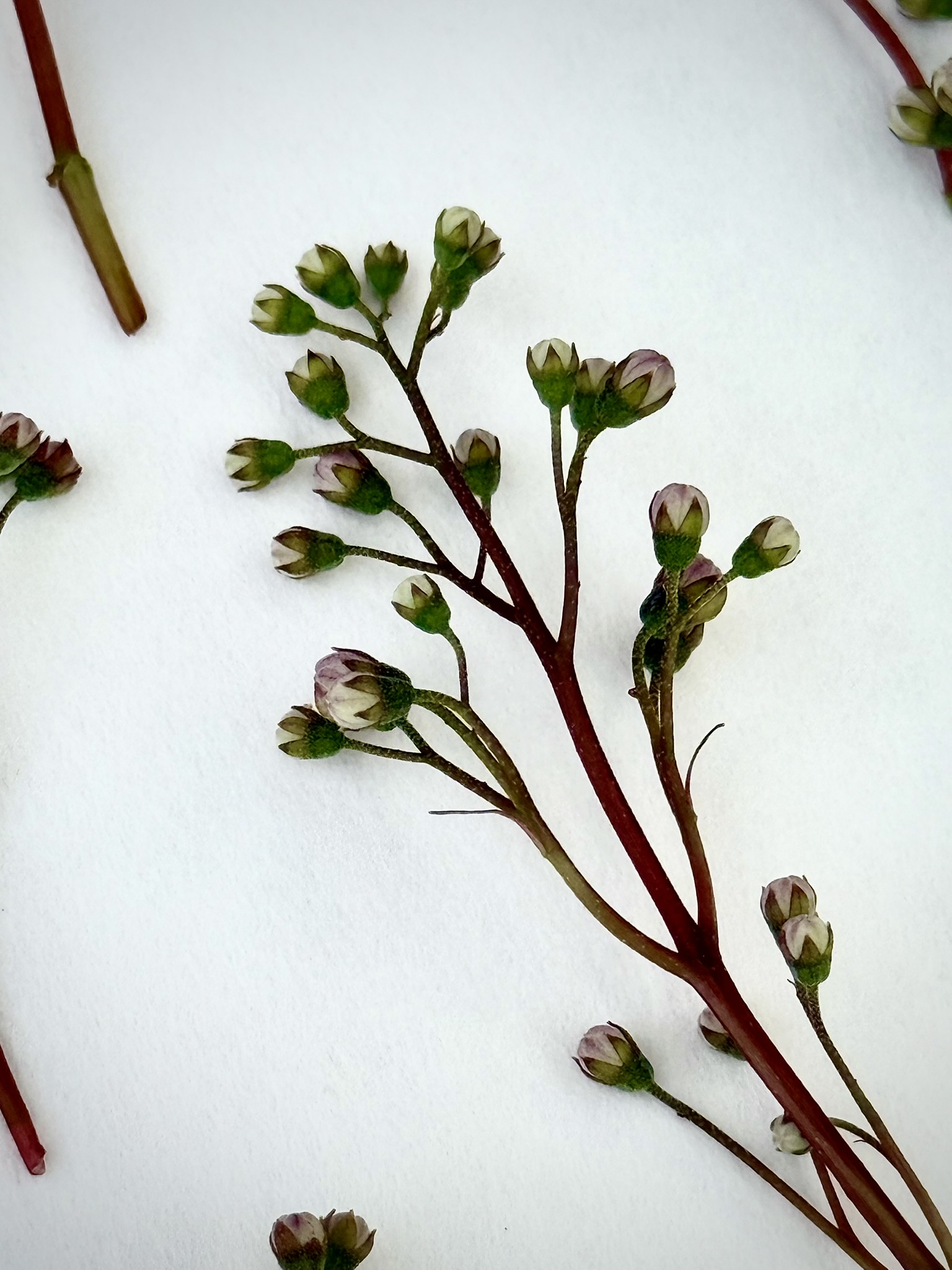
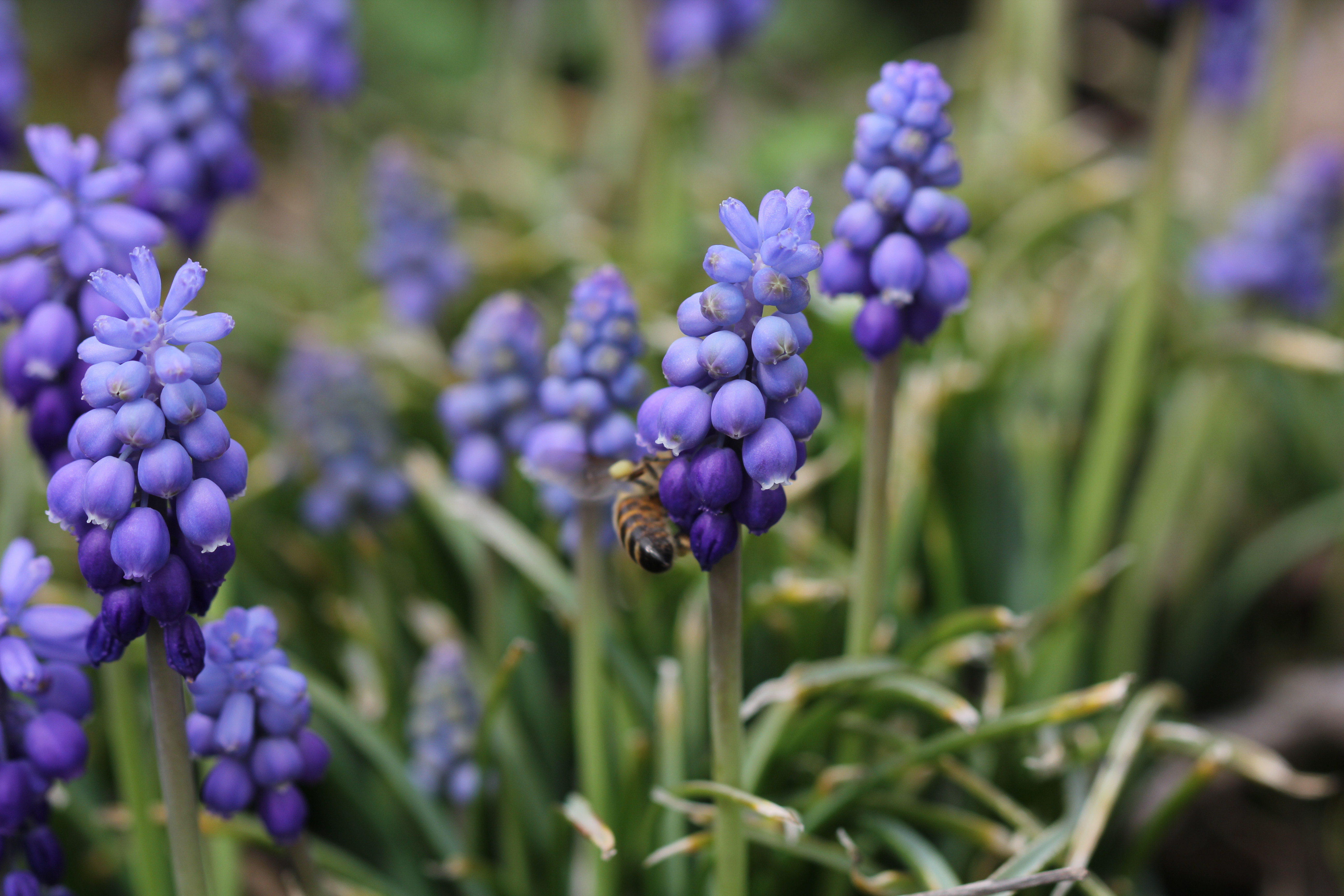
The same angle, repeated — and what it invites
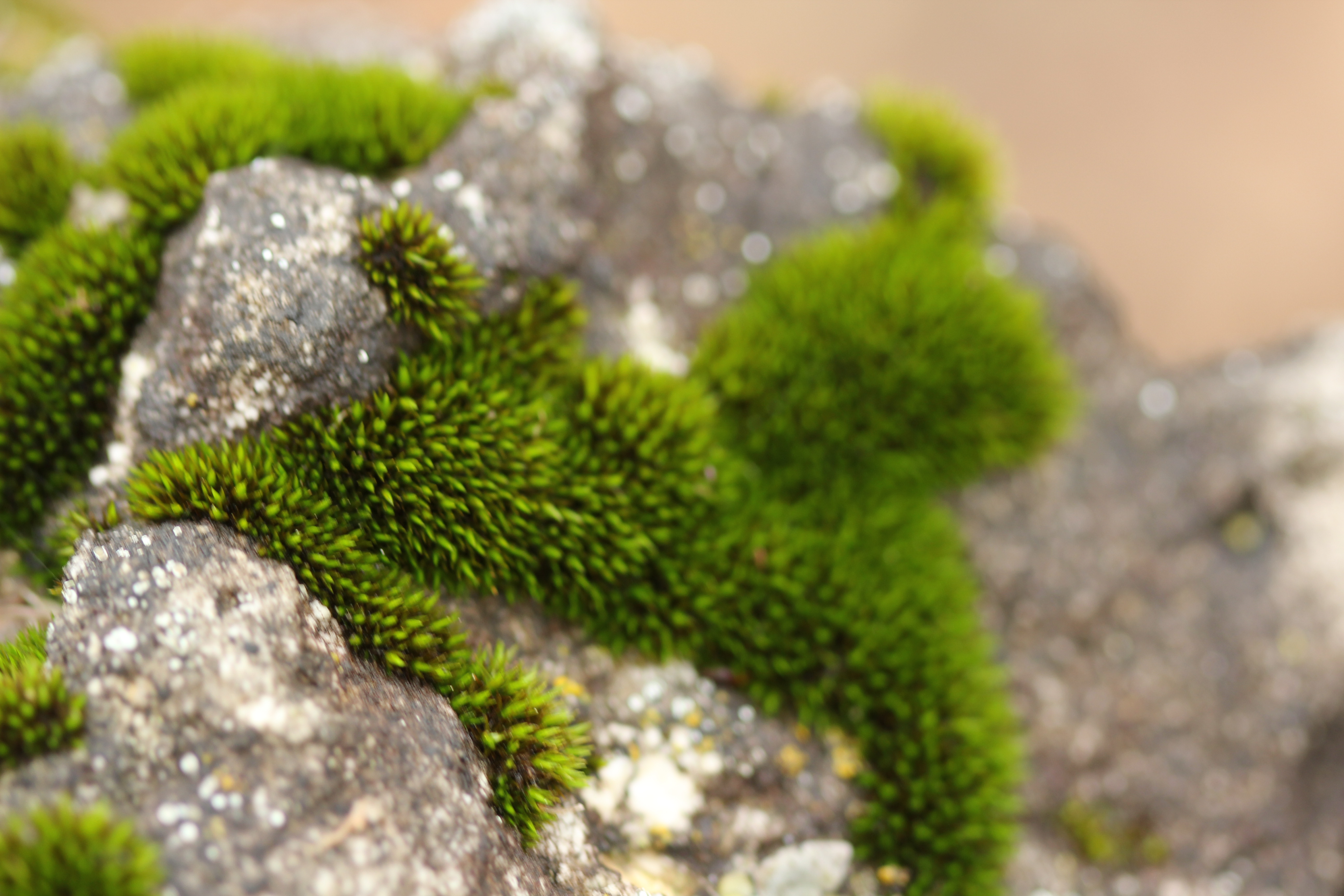
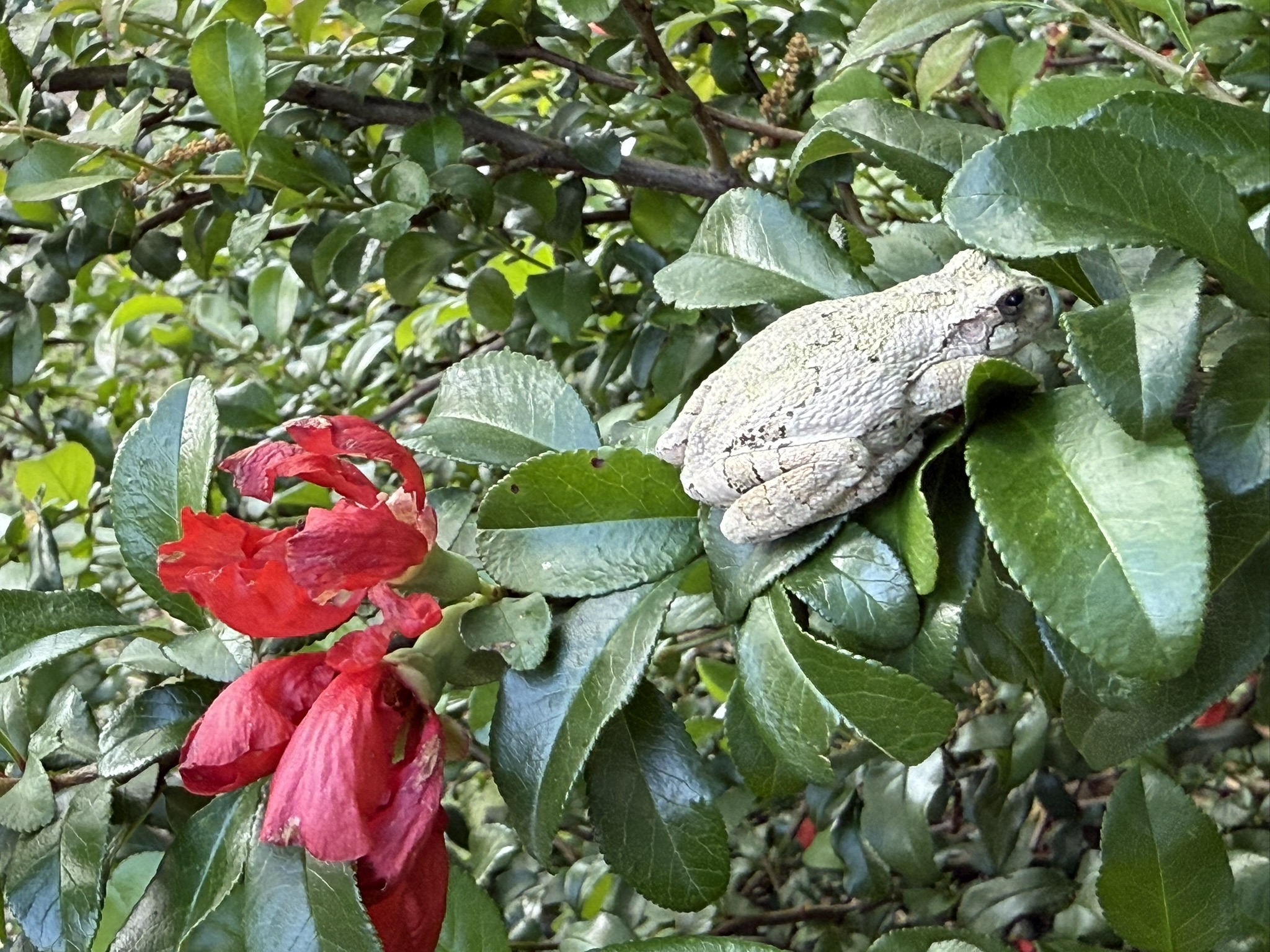
What fills the gaps — and what the gaps were made for
Texture as Information
A petal surface is not smooth in the way glass is smooth. Under magnification it reveals a texture of interlocking cells, sometimes conical, sometimes flat, sometimes ridged, that creates the precise optical effect the flower needs — the velvet of a pansy, the shimmer of a lily, the matte depth of a celosia. These textures evolved to manipulate light in ways that attract specific pollinators. The bee sees a landing signal. We see beauty. Both are correct responses to the same information.
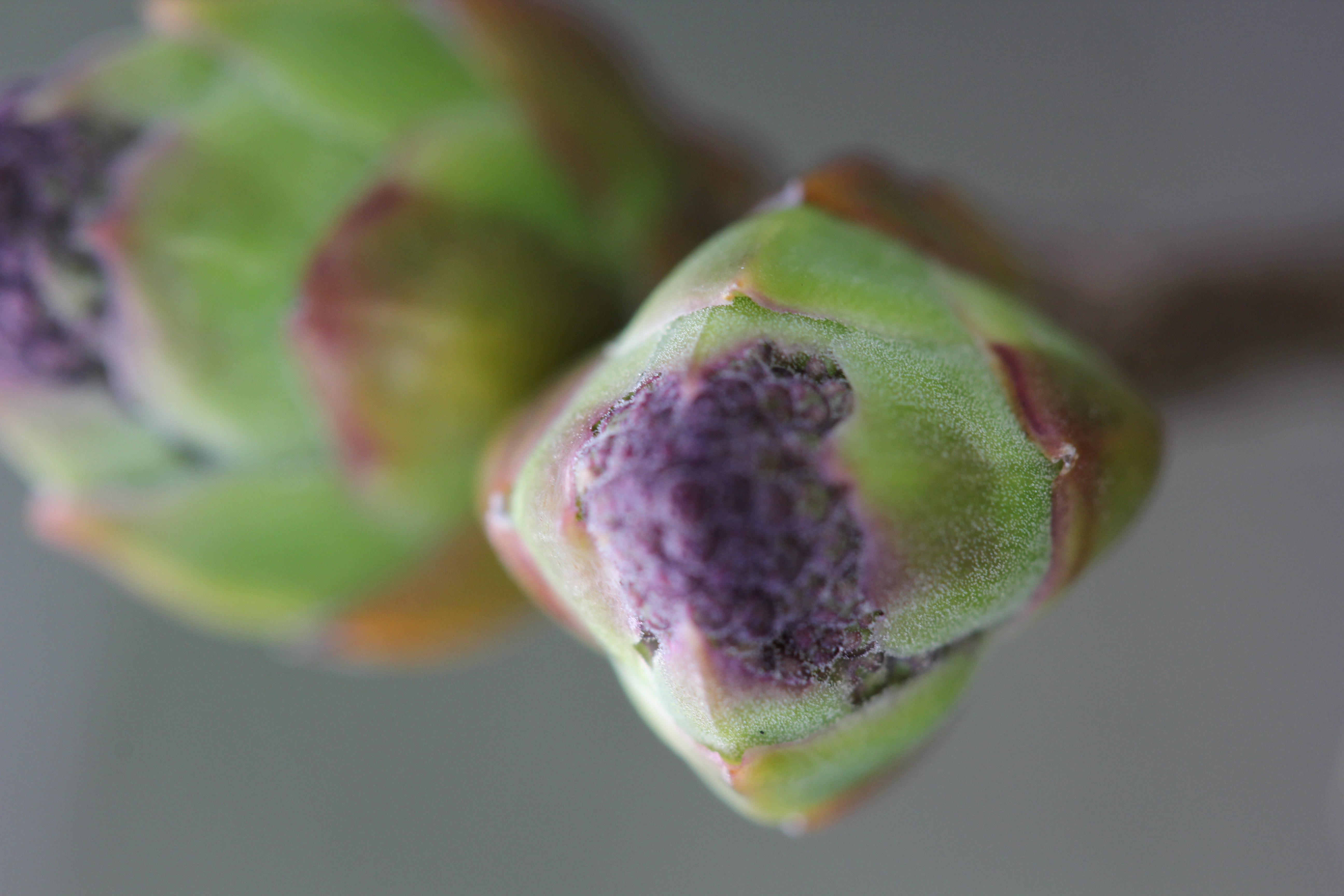
Two surfaces — one built by accumulation, one built by growth
From the field notes
The sorrel is what made me understand this. I had been growing it as a culinary plant, cutting it for the kitchen, not thinking about it much. Then one morning I picked up a leaf before cutting it and looked at it properly — the way the main vein runs straight and then branches, and the branches branch again, and the whole thing follows the same angle of division every time, all the way down to the tiny vessels you can barely see. It is the same decision made at every scale. That is what I am trying to do in the work. The same decision at every scale. The whole thing coherent from whatever distance you look at it.