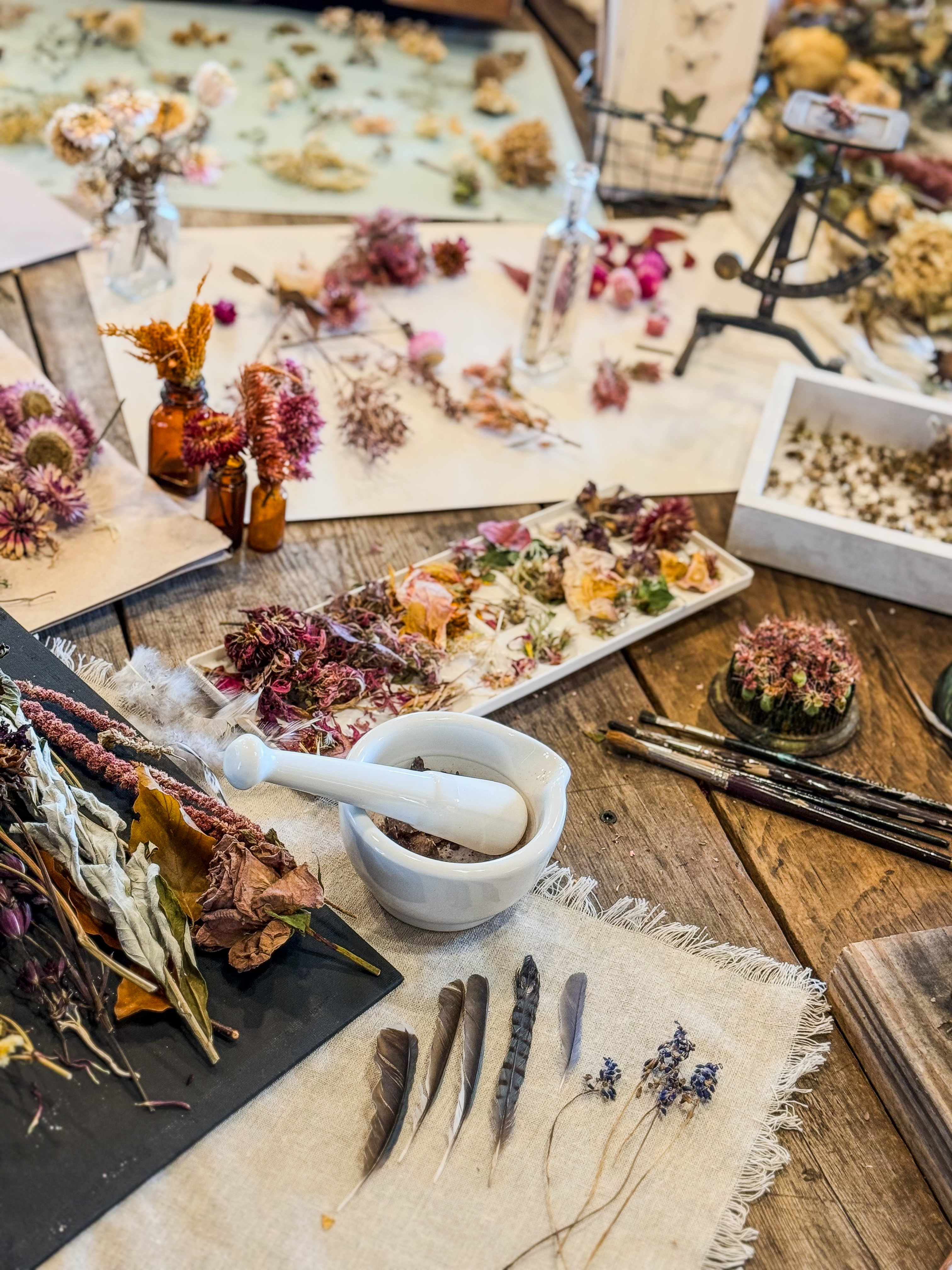
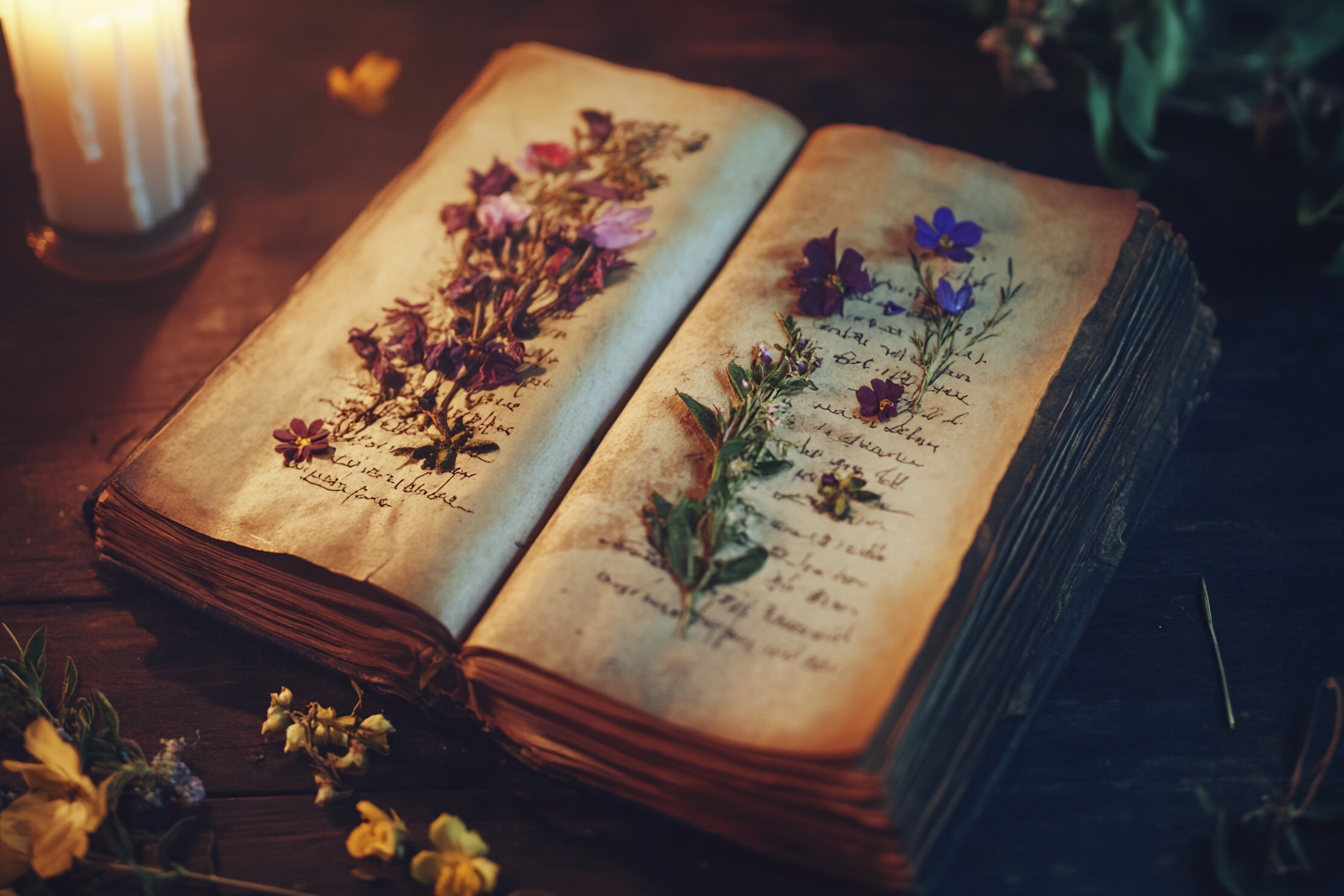
Before the pharmacy, there was the apothecary. Before the apothecary, there was the herbalist. Before the herbalist, there was the woman who knew which plant growing at the forest's edge could stop a fever, which could bring on sleep, which could end a pregnancy, which could slow a bleeding wound. This knowledge was passed down, plant by plant, through thousands of years of human relationship with the botanical world.
Floral Alchemy sits inside this tradition — not because Luli is an herbalist, but because she works with many of the same plants, in the same spirit of close attention. Rue, valerian, black locust, pokeweed — these are plants from the Magic Forest that appear in her work. They are ancient presences. They carry histories that predate writing.
There is something serious about handling a plant that has been used medicinally for three thousand years. It asks to be treated with respect. The pressed specimen in the piece of jewelry is not just aesthetic material — it is a plant with a record, a relationship with the human body and the human world that extends back further than most of our cultural memories.
A materia medica — what the plants have been used for
Valerian
Sedative • Nervine
Used since ancient Greece and Rome to calm anxiety and promote sleep. Still sold in every health food store. One of the most continuously used medicinal plants in the Western tradition.
Rue
Emmenagogue • Insect repellent
Called "herb of grace" in Shakespeare. Used in traditional medicine throughout Europe and the Mediterranean. Intensely bitter. Historically associated with protection, regret, and the crossing of thresholds.
Goldenrod
Anti-inflammatory • Diuretic
Used by Native American tribes and European herbalists alike for kidney and urinary health. Misidentified as a cause of hay fever — it isn't. Its pollen is too heavy to travel by wind.
Black Locust
Historically complex
The flowers are edible — fragrant, sweet, used in fritters and teas. The bark, roots, and seeds contain toxic compounds. A plant that requires knowing which part you're dealing with.
Lavender
Calming • Antiseptic
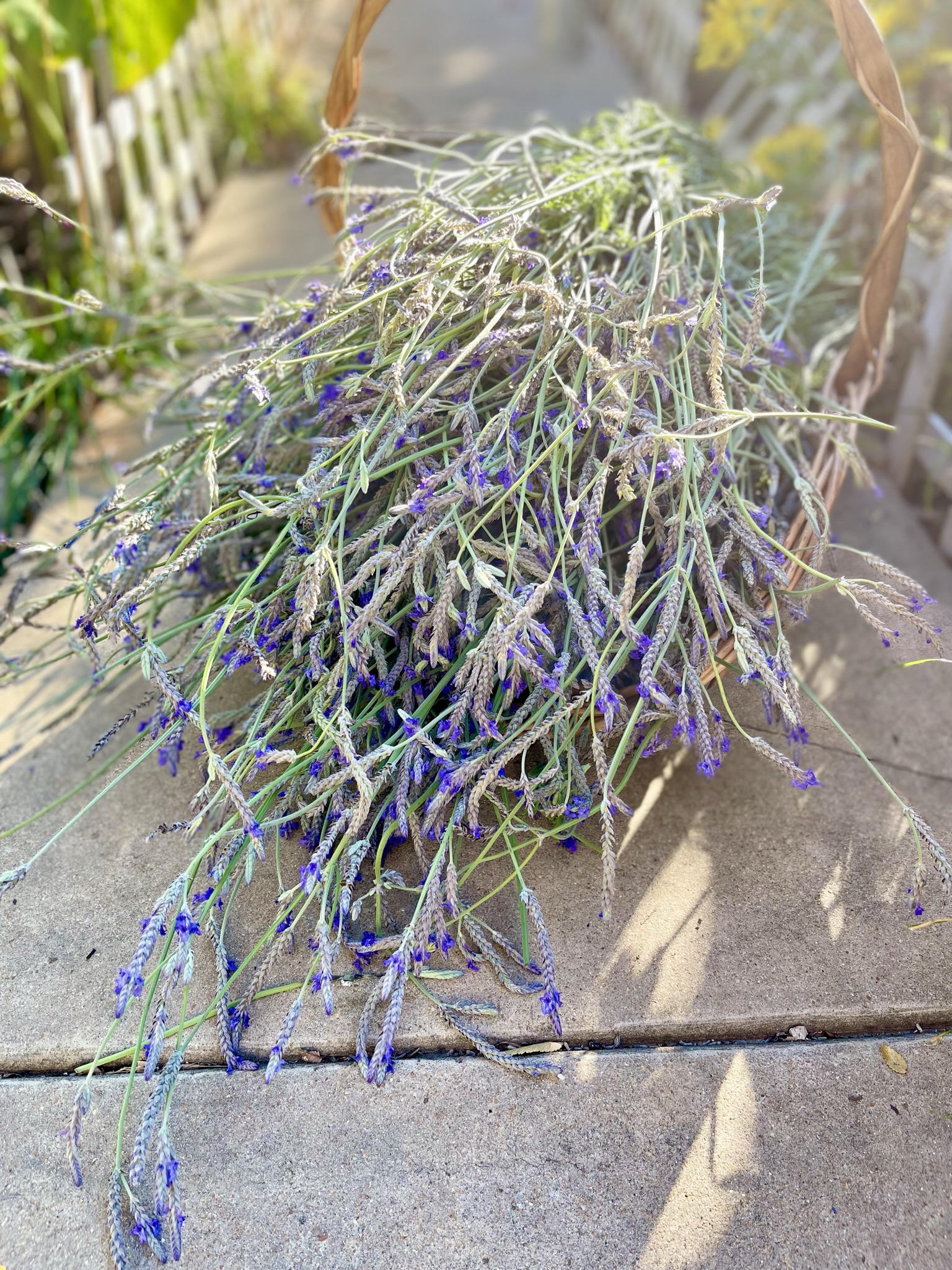
Used since antiquity in medicine, perfumery, and ritual. The Romans added it to bathwater. Medieval physicians strewed it on floors. It remains one of the most studied aromatherapeutic plants.
Elderflower
Antiviral • Fever reducer
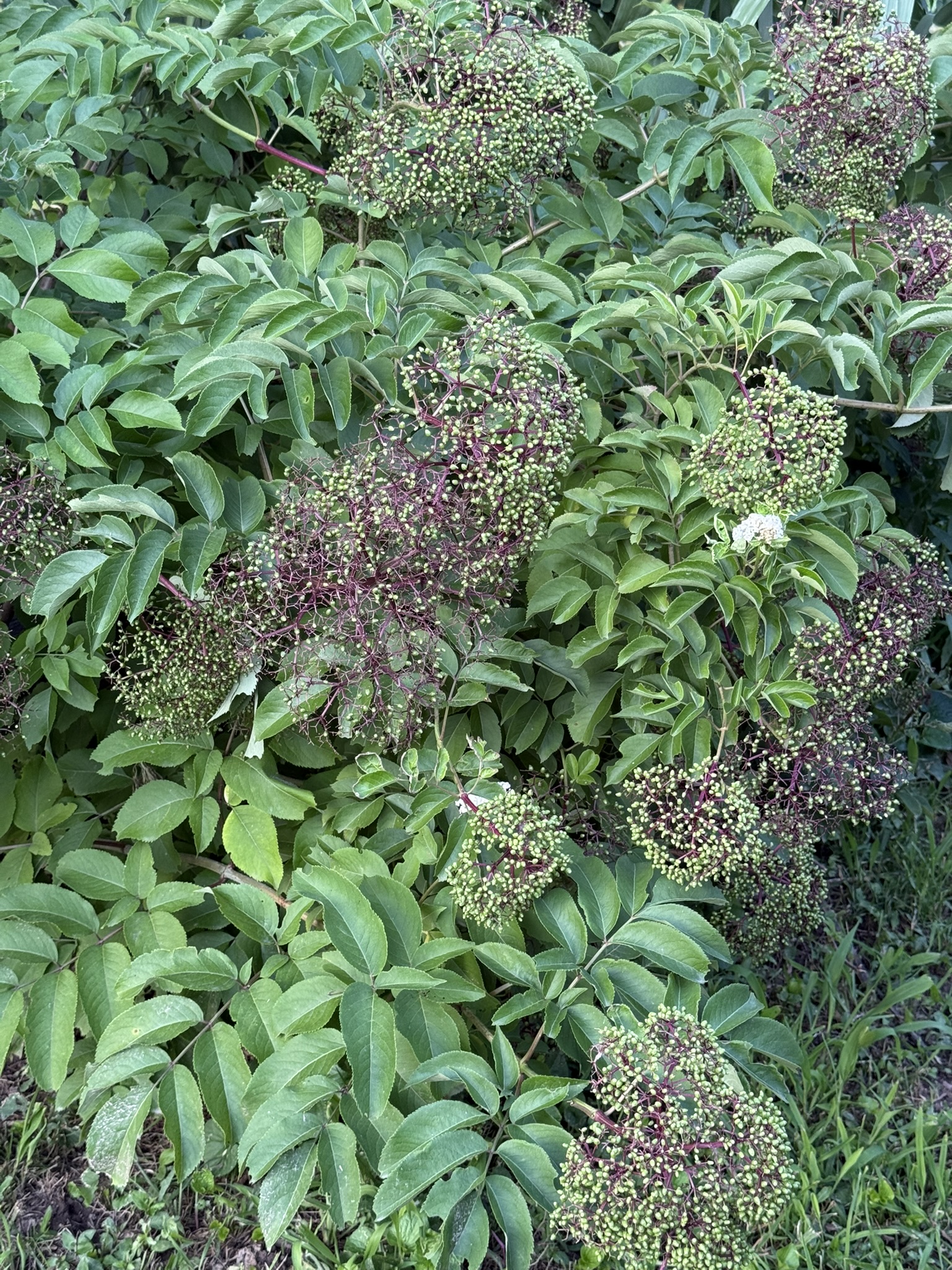
The elder tree is one of the oldest medicinal plants in Europe. Its flowers treat colds and fevers; its berries make elderberry syrup. In folklore, the elder is also protective — never cut one without asking permission.
Lotus
Sacred • Symbolic
Used across Egyptian, Hindu, Buddhist, and Chinese medical traditions. Associated with purity, enlightenment, and rebirth. Every part — root, stem, leaf, flower, seed — has medicinal applications across different traditions.
Pokeweed
Caution required
Historically used in small quantities as a powerful purgative and anti-inflammatory. In the wrong dose, toxic. Birds eat the berries without harm; humans should not. A plant that demands respect and careful knowledge.
Feverfew
Analgesic • Anti-inflammatory
Used since ancient Greece for headaches, fevers, and arthritis. The name tells you exactly what it was for. Bitter enough that medieval apothecaries sandwiched it between bread to get patients to take it. Still studied today for migraine prevention.
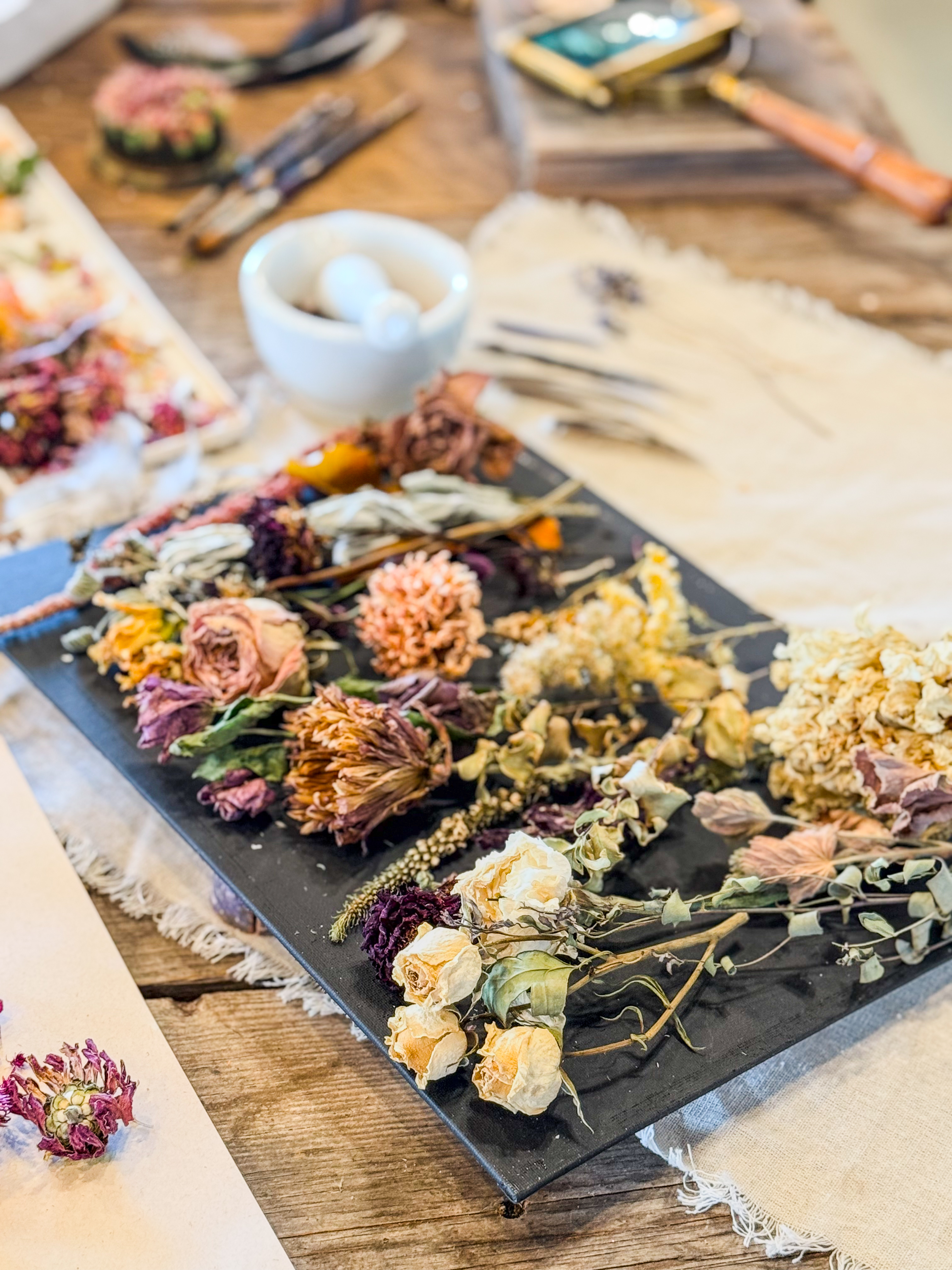
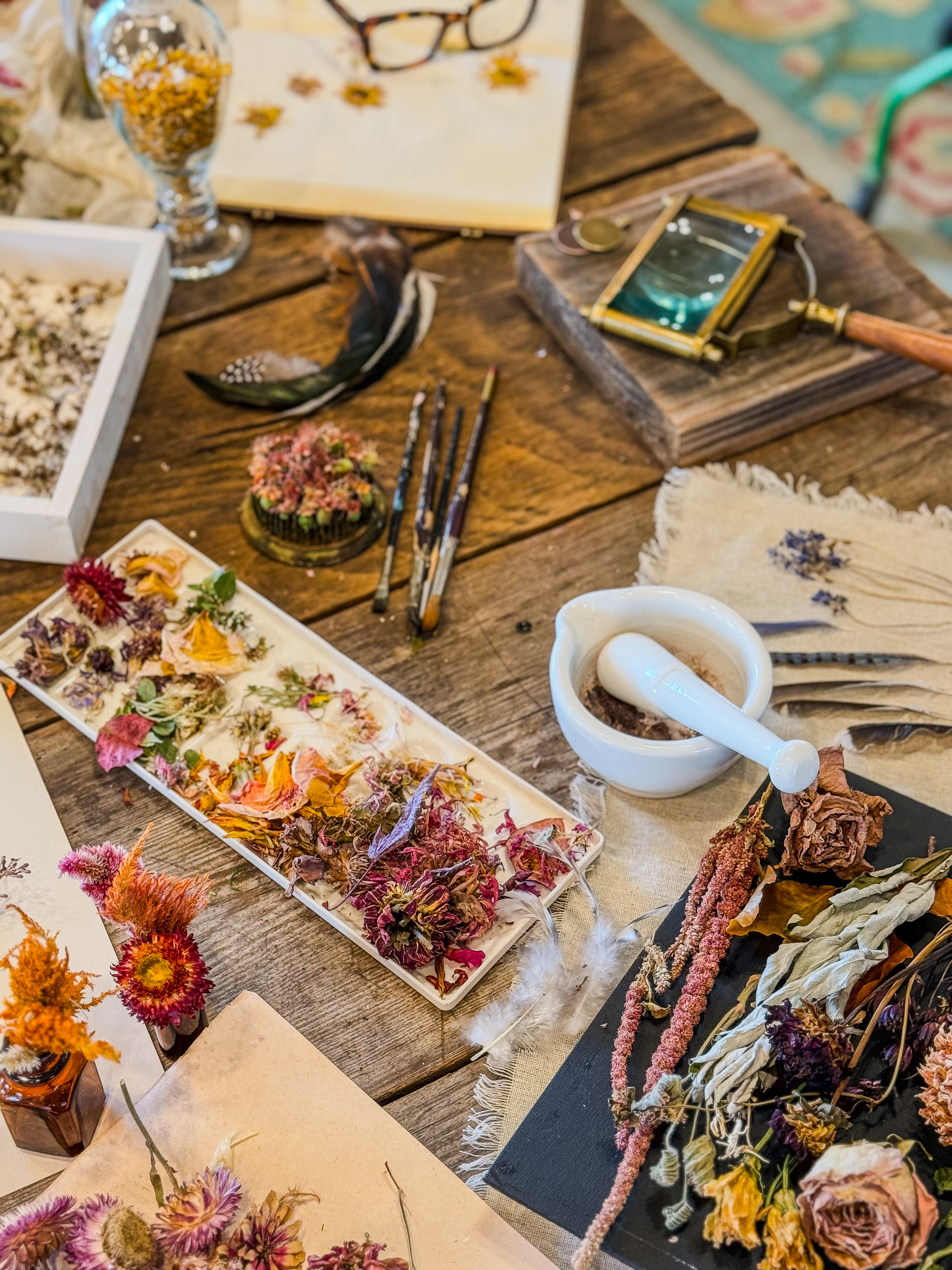
A note on the knowledge here: the medicinal information above is historical and cultural, not prescriptive. If you are looking for herbal medicine, please consult a qualified herbalist or physician. The plants in Floral Alchemy pieces are not for ingestion — they are preserved in resin, and their purpose is to be worn, not taken. But knowing their histories changes how you carry them.
For your library — further reading
Rosemary Gladstar's Medicinal Herbs: A Beginner's Guide
Rosemary Gladstar
The best introduction to medicinal herbalism for the genuinely curious non-practitioner. Clear, grounded, enthusiastic without being credulous. Gladstar is one of the great teachers of the American herbal tradition.
Find on Amazon →
The Witchcraft of Dame Darrel of York
Charles Godfrey Leland
Historical folklore collection covering plant magic, healing traditions, and the knowledge systems that existed before scientific medicine. For readers interested in the pre-pharmacological relationship between humans and plants.
Find on Amazon →
The Drunken Botanist
Amy Stewart
The plants that produce the world's great fermented and distilled beverages — botanically, historically, and with genuine wit. A surprising entry point into the medicinal and aromatic traditions of plant chemistry.
Find on Amazon →
Wicked Plants
Amy Stewart
The other side of the medicinal tradition: the plants that poison, paralyze, hallucinate, and kill. Beautifully researched, compellingly written, and a good reminder that plants are not passive.
Find on Amazon →
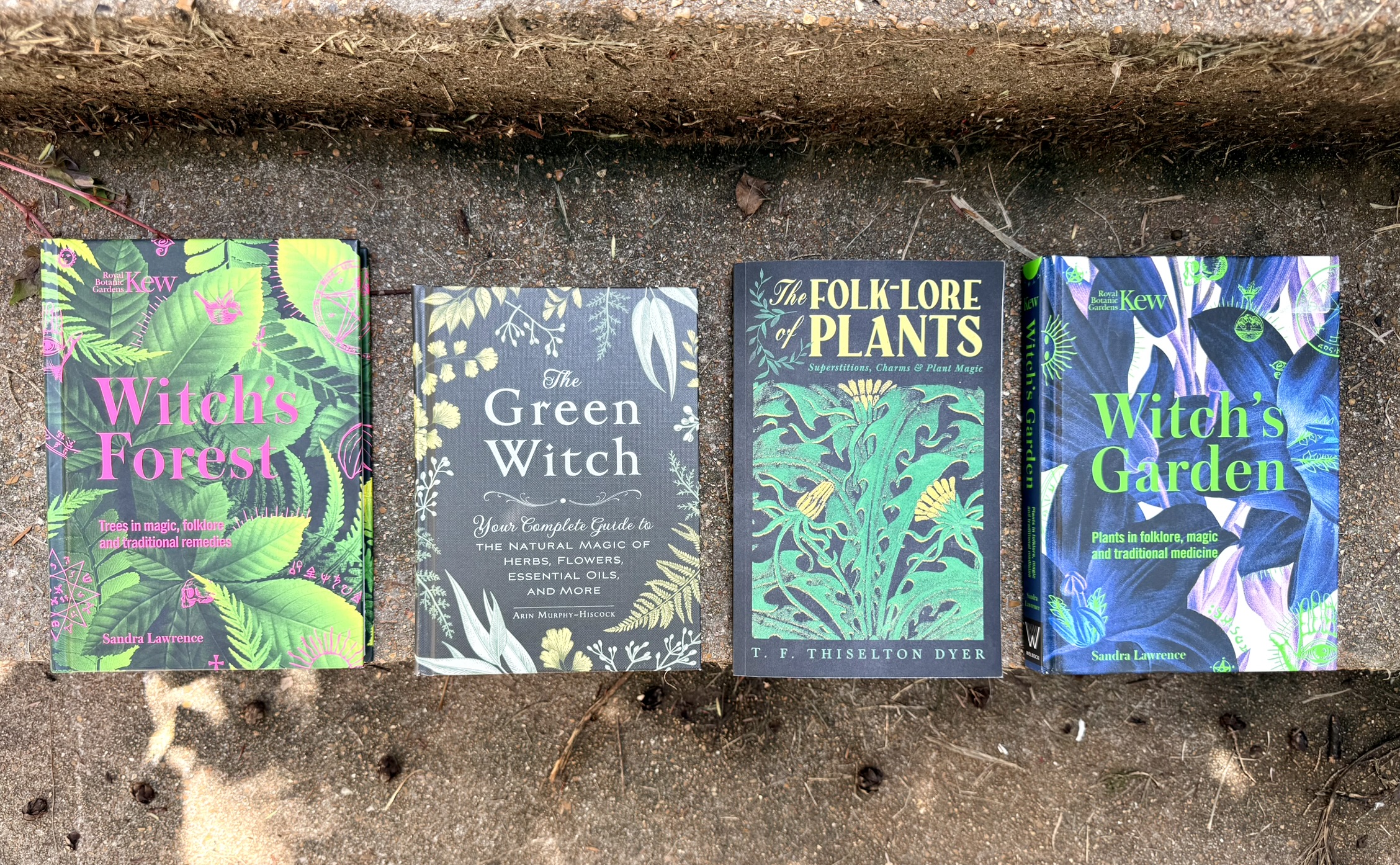
Witch's Forest
Sandra Lawrence — Royal Botanic Gardens Kew
Trees in magic, folklore, and traditional remedies. The forest as a living pharmacy, a spiritual landscape, and a source of knowledge that predates written language. Lawrence writes with the authority of the Kew collection behind her.
Find on Amazon →
The Green Witch
Arin Murphy-Hiscock
A complete guide to the natural magic of herbs, flowers, and essential oils — written for practitioners rather than scholars. Grounded, practical, and a useful bridge between the folkloric and the hands-on.
Find on Amazon →
The Folk-Lore of Plants
T. F. Thiselton Dyer
Superstitions, charms, and plant magic collected from across the British Isles and beyond — first published in 1889 and still one of the most comprehensive surveys of plant folklore ever assembled. The original source material for half of what people now call traditional plant wisdom.
Find on Amazon →
Witch's Garden
Sandra Lawrence — Royal Botanic Gardens Kew
Plants in folklore, magic, and traditional medicine — the companion to Witch's Forest, focused on the cultivated and the gathered rather than the wild. Lawrence brings the same rigor and the same sense of deep time to every plant she covers.
Find on Amazon →