The Wonder Table  ·  20


Unlikely
Stars

Most people want to eradicate them.
I want to put them in a piece.

Somewhere along the way, gardening culture decided which plants were beautiful and which were problems. The problems got names: weed, invasive, pest. The names became instructions. Pull it, spray it, get rid of it before it spreads. And so a whole category of botanical material — material that is, in many cases, extraordinary — got classified out of sight.

I disagree with the classification. Not because the plants don't spread, or don't take over, or don't cause real problems for ecosystems that can't absorb them — some of them do all of those things, and that matters. The disagreement is with the leap from "difficult" to "ugly." Most of these plants were never actually seen before the verdict was handed down. They were named, categorized as problems, and dismissed, and nobody stopped to look at what was actually there.

I have a rule I try to live by: before you decide you hate something, see it at its prettiest or in bloom first. Then decide. Most people have never seen pokeweed in full berry. Most people don't know what fleabane looks like laid out on a cutting mat. Most people have never held a deutzia bract and understood what it can do. Once you've seen them — really looked — the hierarchy starts to dissolve.

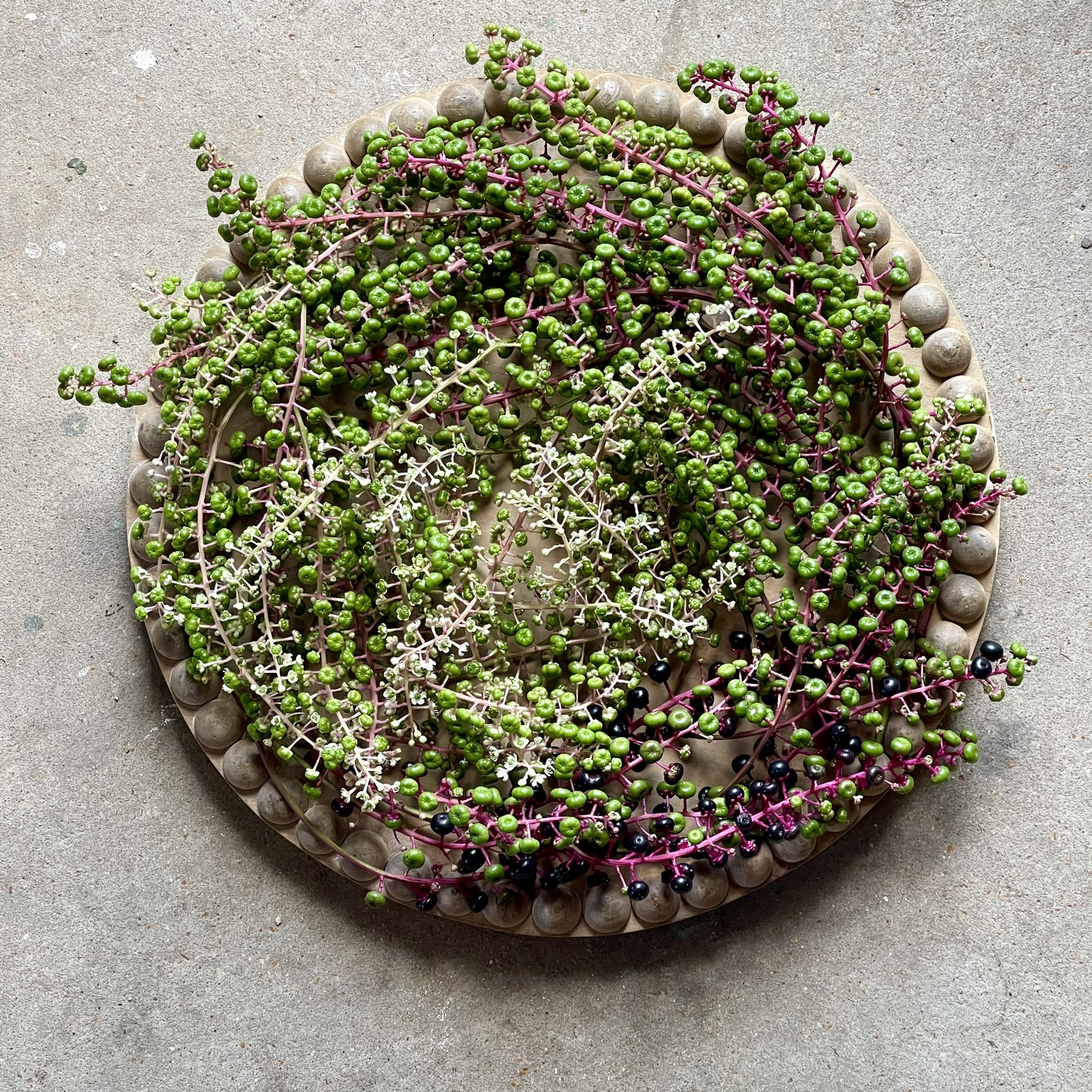
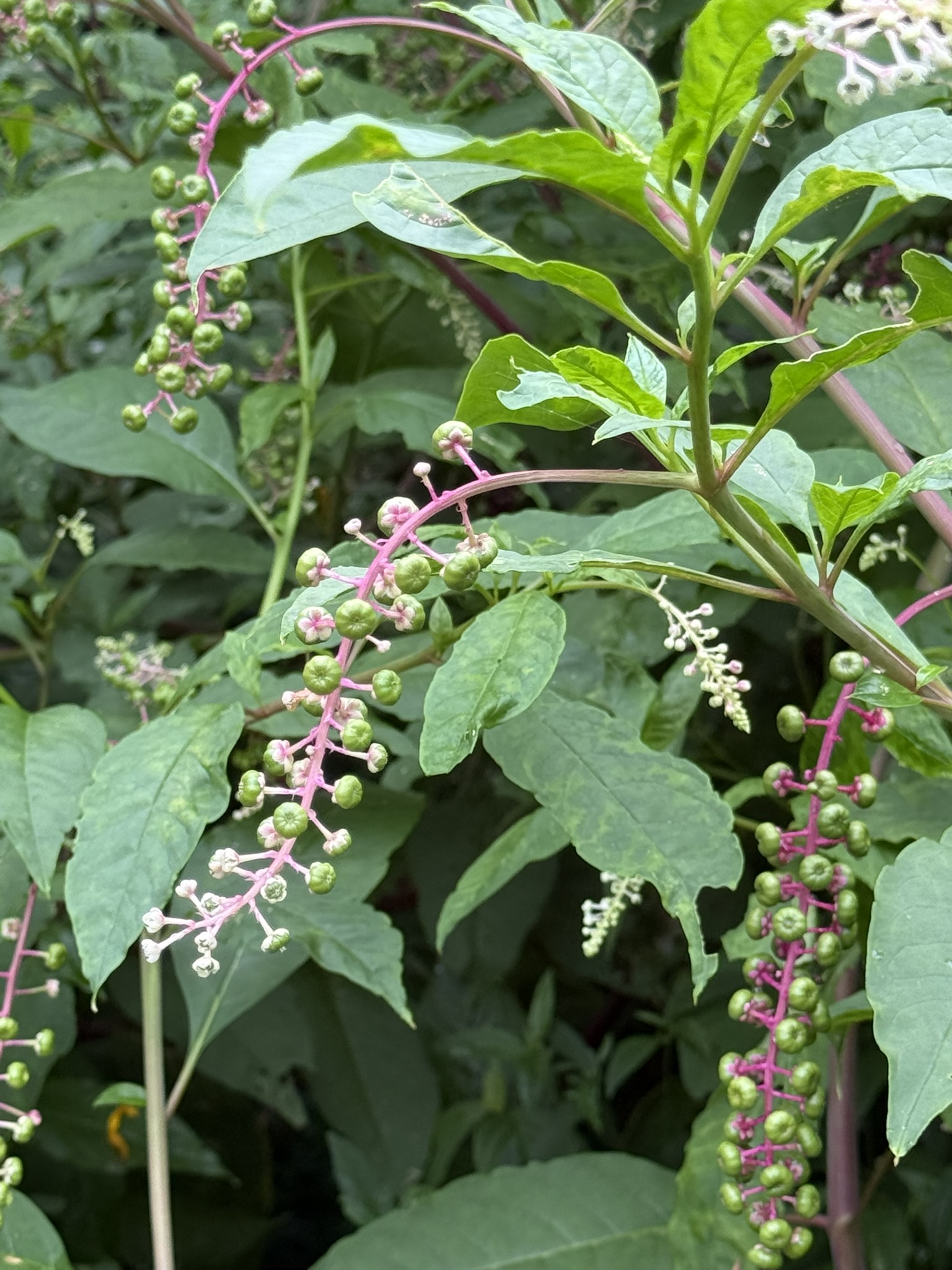
Pokeweed — green berry clusters and magenta stems arranged on wooden tray

Pokeweed  ·  Phytolacca americana

The most theatrical plant on the property. Also technically a weed.

Pokeweed will grow ten feet in a season. The county extension office has opinions about it. What the extension office doesn't spend time discussing is what happens when the berry clusters emerge against those magenta stems — tight green spheres arranged along an electric-pink rachis that looks like something a jewelry designer would specify for a headpiece. The stems alone would be worth harvesting. The architecture of the whole plant is extraordinary. I collect it before the berries ripen, when the green clusters and the shocking stem color are at their peak. Everything about it reads as deliberate.
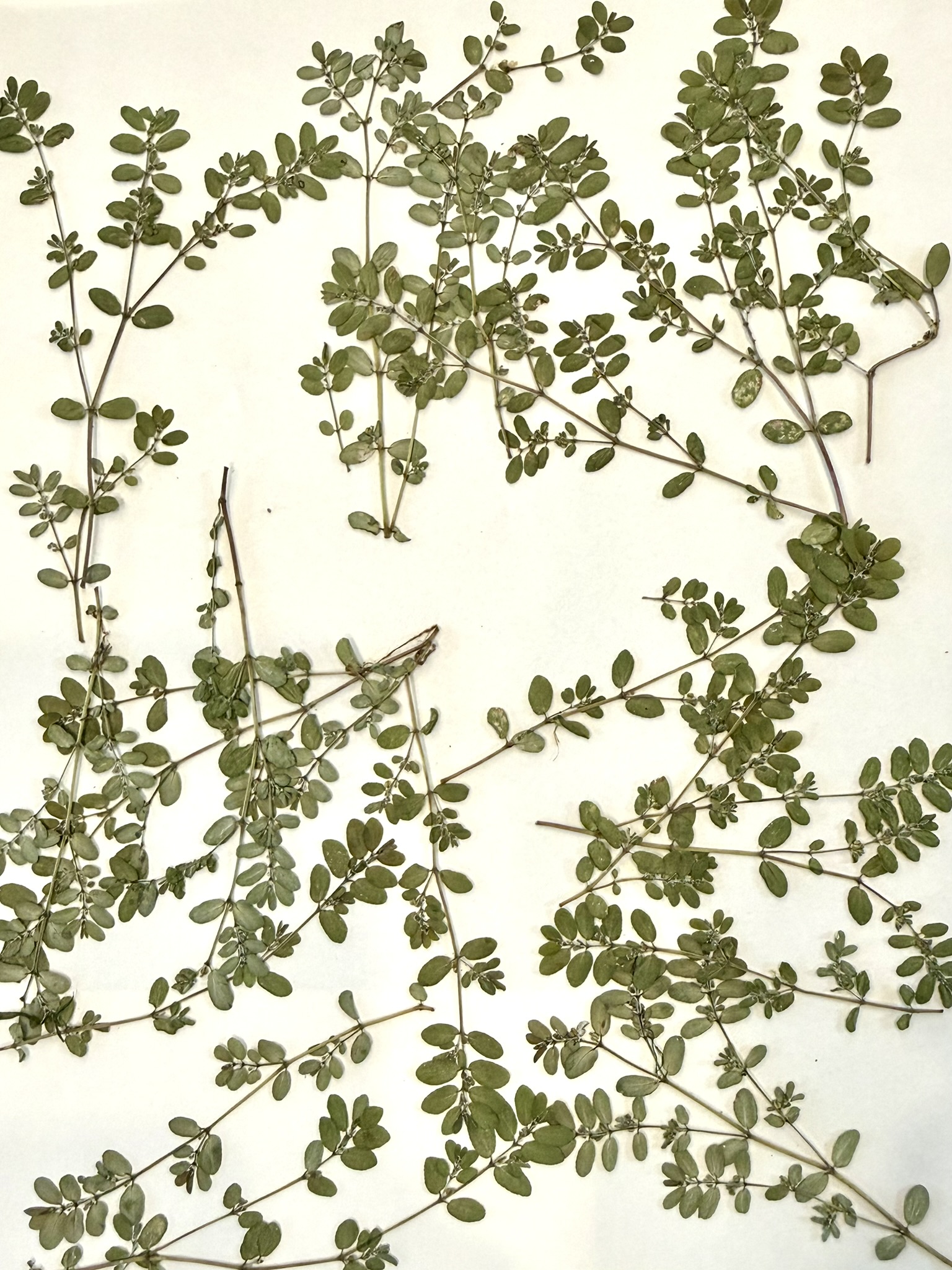
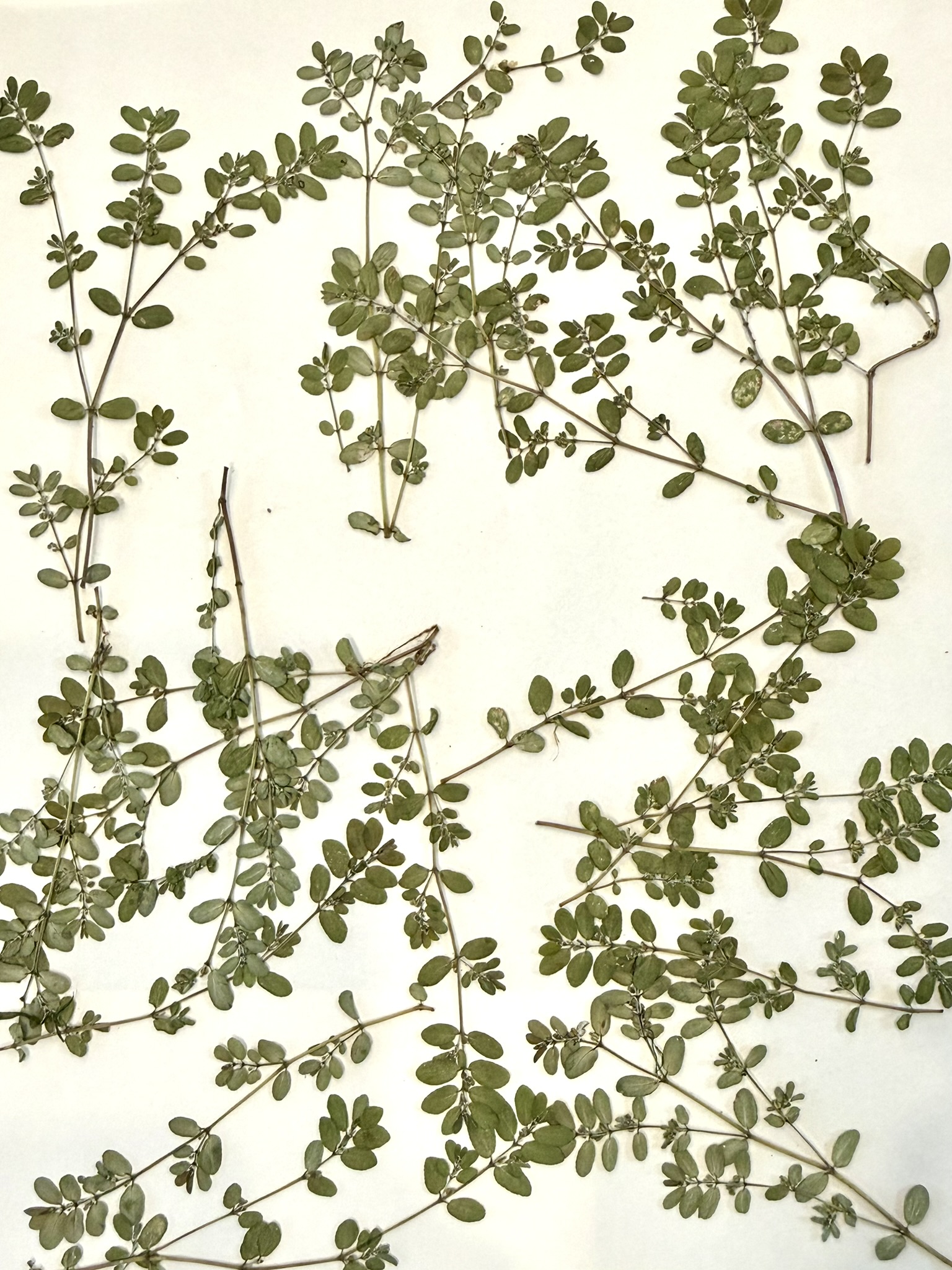
Prostrate Spurge — tiny perfect ovaloid leaves on fine branching stems

Prostrate Spurge  ·  Euphorbia supina

It feels like at one point, it arrived here in a Wardian case.

It grows in every sidewalk crack, every disturbed edge, every forgotten corner of gravel. Prostrate spurge is classified as a weed by everyone who has to mow around it. What those people are not looking at — have never looked at — is what it actually is: a plant of extraordinary miniature precision. Each leaf a perfect tiny oval. Each stem so fine it's nearly invisible at distance. Up close, the whole thing reads as designed, the way a specimen would — with intention, with proportion, with a delicacy that no cultivated plant achieves because no cultivated plant has had to earn it. It grows as if it came from somewhere very specific and very deliberate. As if, at one point, it arrived here in a Wardian case.
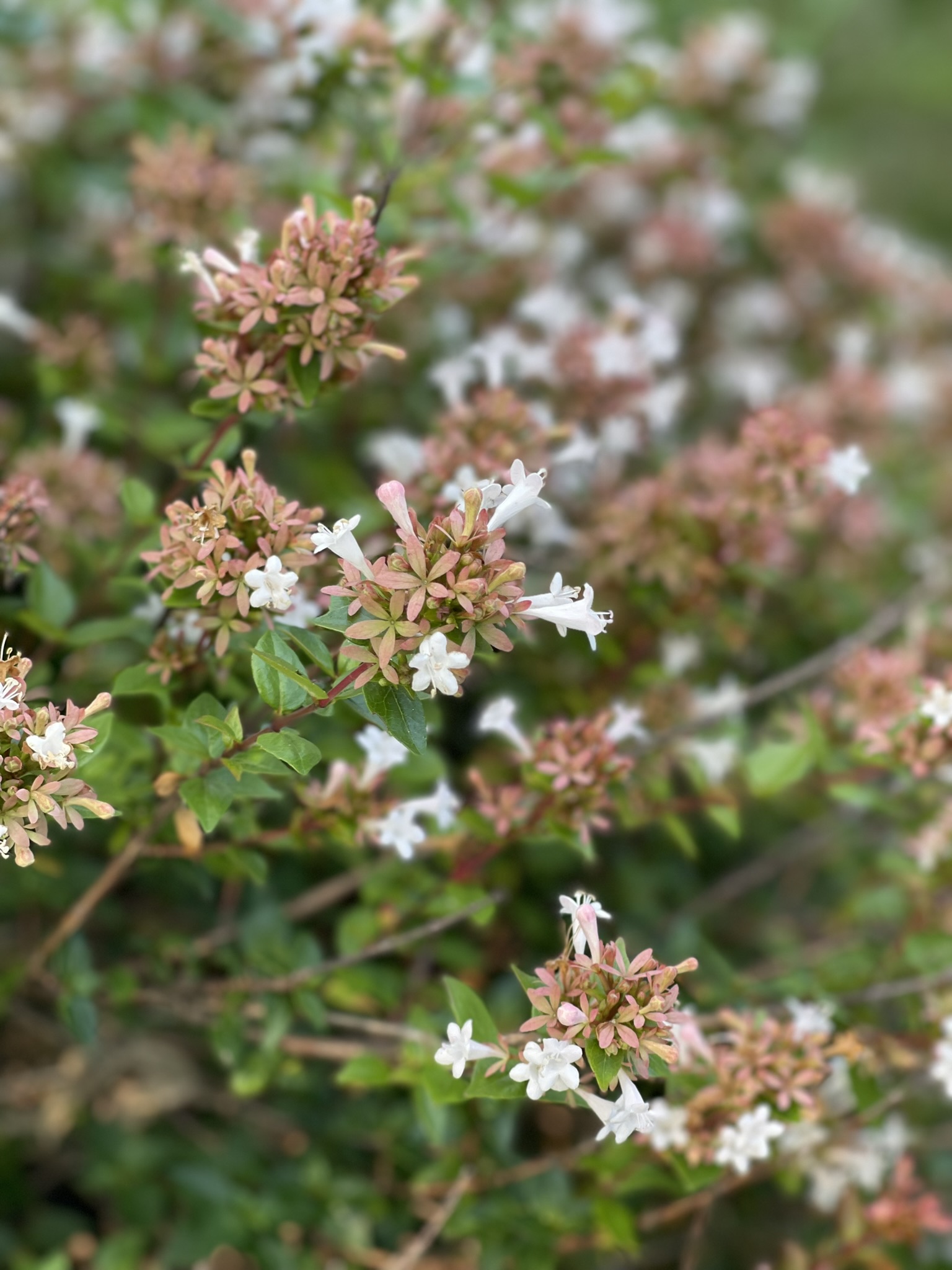
Deutzia in bloom — white trumpet flowers and rosy bronze brachts

Deutzia

Every part of it. Not just the flowers.

The white trumpets are lovely — small, refined, carried in clusters with the kind of delicate abundance that reads as effortless. But the flowers are not the reason deutzia is my most-used botanical material. The reason is the brachts — those rosy, multi-pointed star formations that hold the flowers — and the unopened bud clusters, and the miniature leaves. Every part reduces perfectly in the dehydrator. They hold their proportion, hold their color, miniaturize into exact versions of themselves at a scale nothing larger can achieve. In a piece, I reach for deutzia without thinking. I've been doing it for twelve years. Nobody who asks about the work would ever guess what they're looking at.

Smokebush — deep burgundy leaves with tiny gold star flowers

Smokebush  ·  Cotinus coggygria

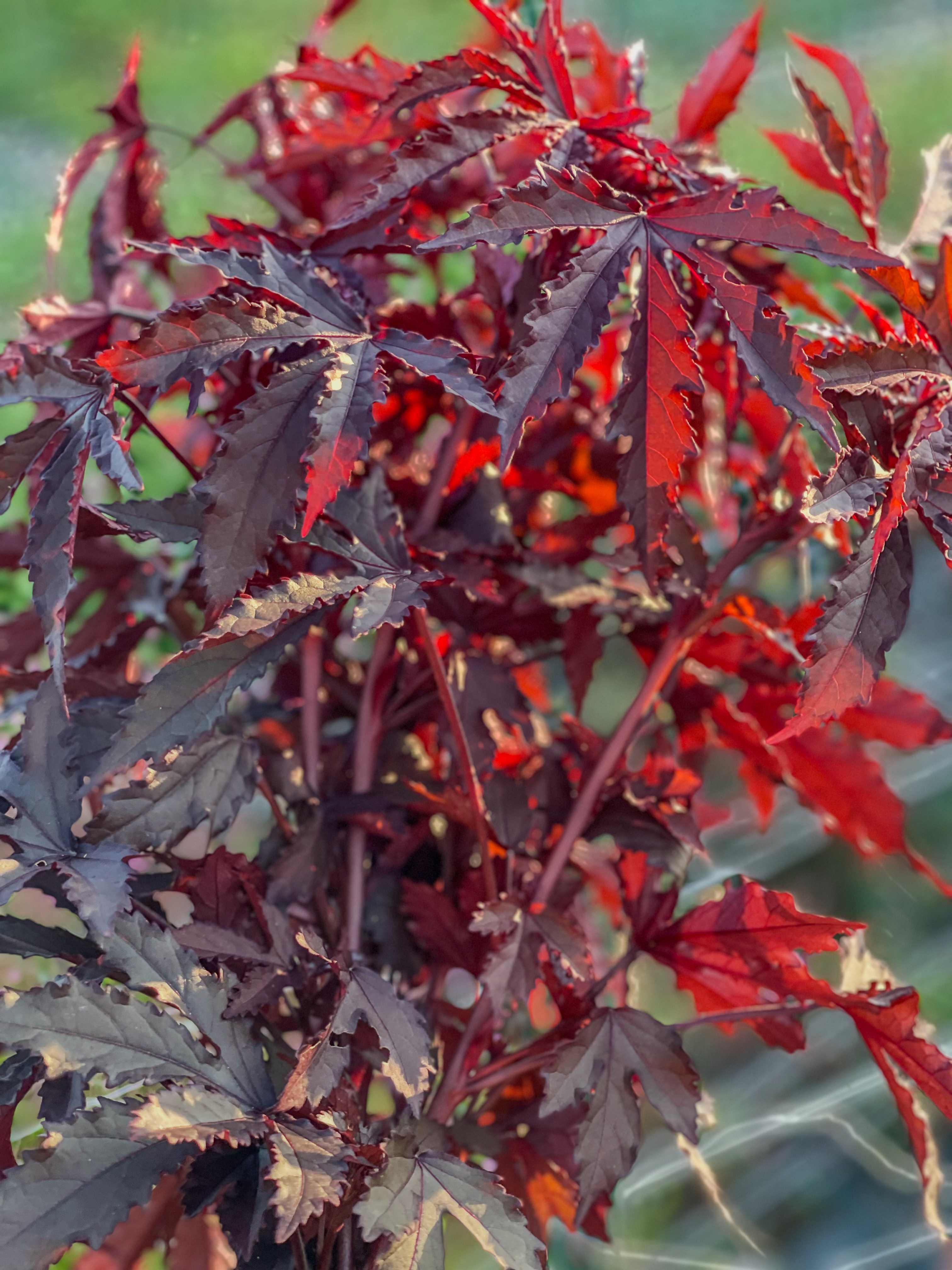
The purple cloud that has a secret in the details

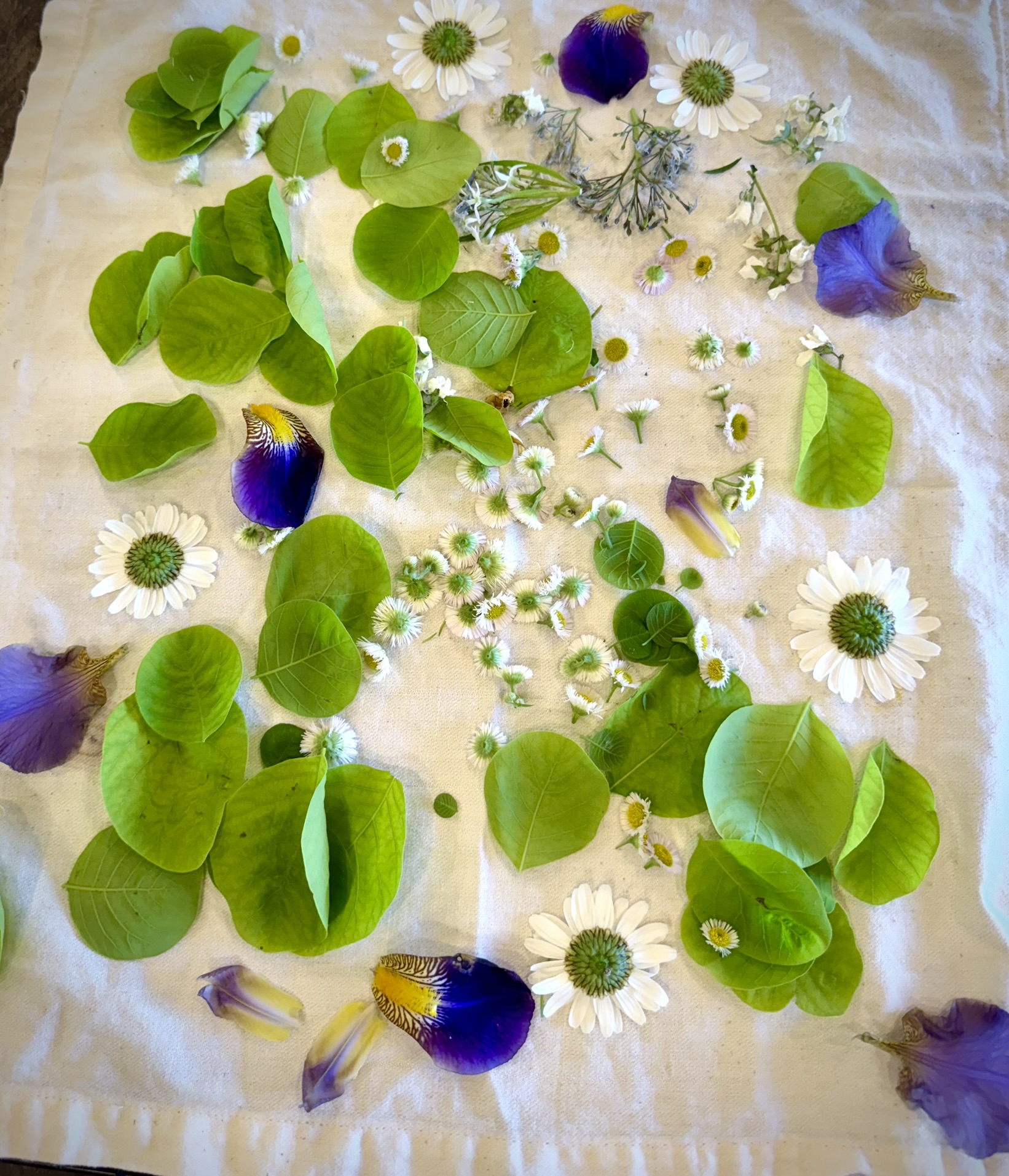
Most people know the smoke — the feathery inflorescence that gives the shrub its name, that soft haze of filaments that catches the afternoon light in late summer. What most people miss are the flowers. Before the smoke comes, tiny clusters emerge against the deep burgundy leaf: hundreds of miniature four-petal stars, gold and crimson, so small you have to get close before they register. I press the leaves and the flowers. The leaves hold their color longer than almost anything else in my collection — the deep purple going almost lacquered with time. In a piece, a pressed smokebush leaf reads like something from a different century.
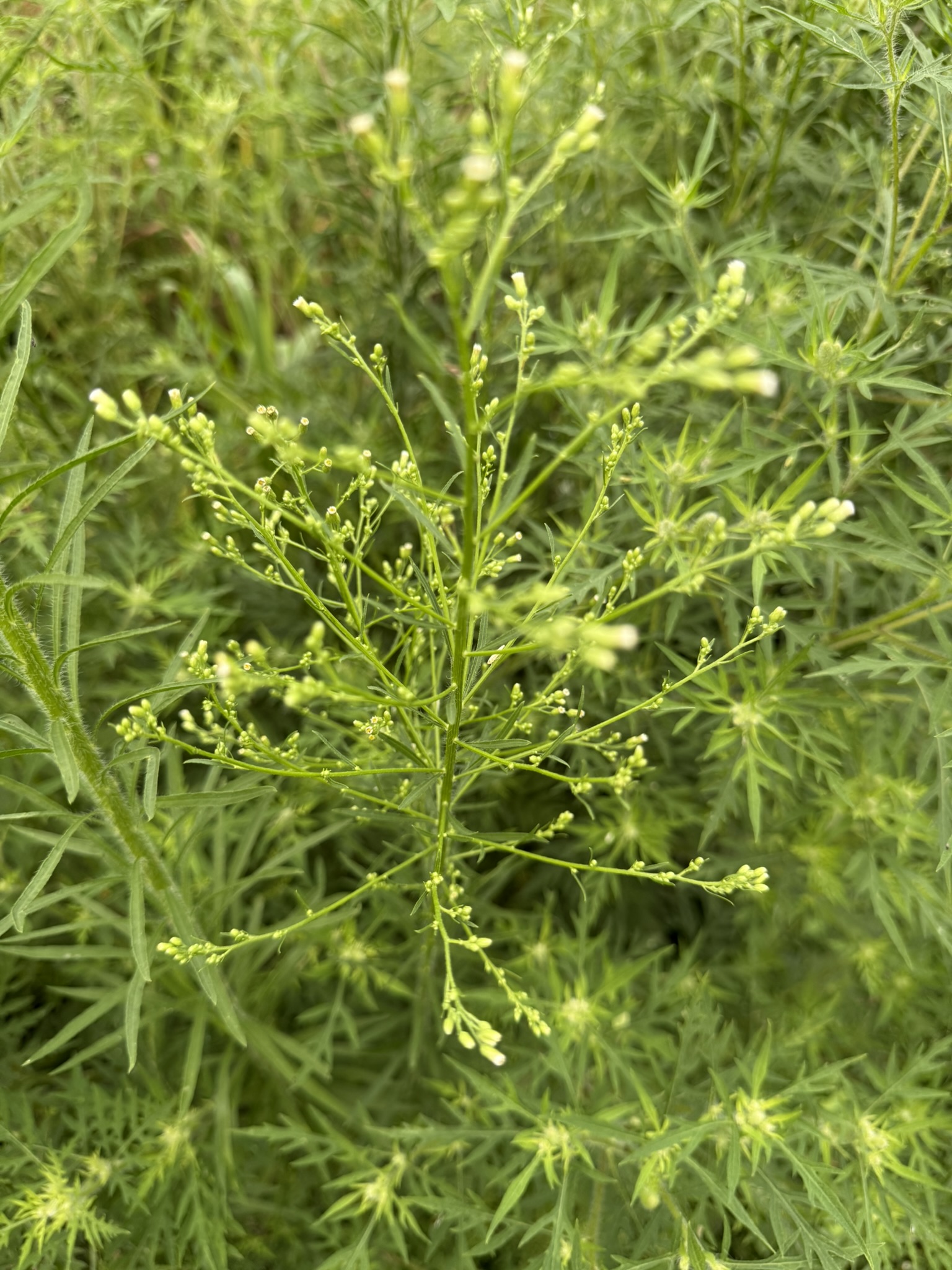
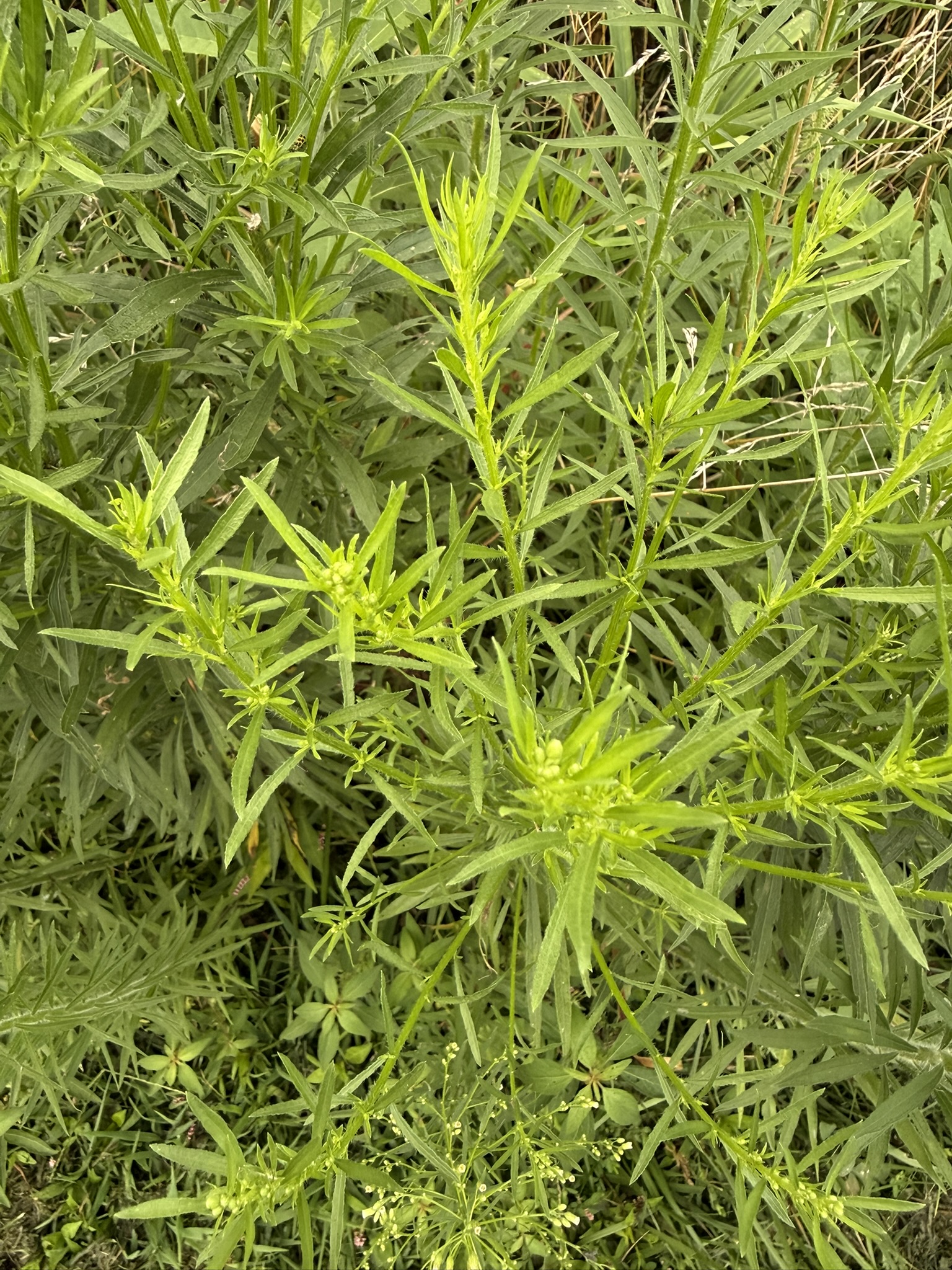
Horseweed — lacy branching structure with tiny lavender buds

Horseweed  ·  Erigeron canadensis

Lace that wasn't supposed to be there

Horseweed is one of the most aggressively ignored plants in any garden. It emerges, it towers, it gets pulled before anyone looks closely. What you miss when you pull it early is the flowering stage — hundreds of tiny branching stems, each carrying clusters of closed buds so delicate in structure they read as intentional filigree. Laid out on a cutting mat, the branching architecture is extraordinary. Dried, the whole stem becomes a kind of gray-green tracery. It is baby's breath if baby's breath had been designed by someone who understood proportion. I harvest it in bud, before the tiny flowers fully open, when the geometry is at its most precise.
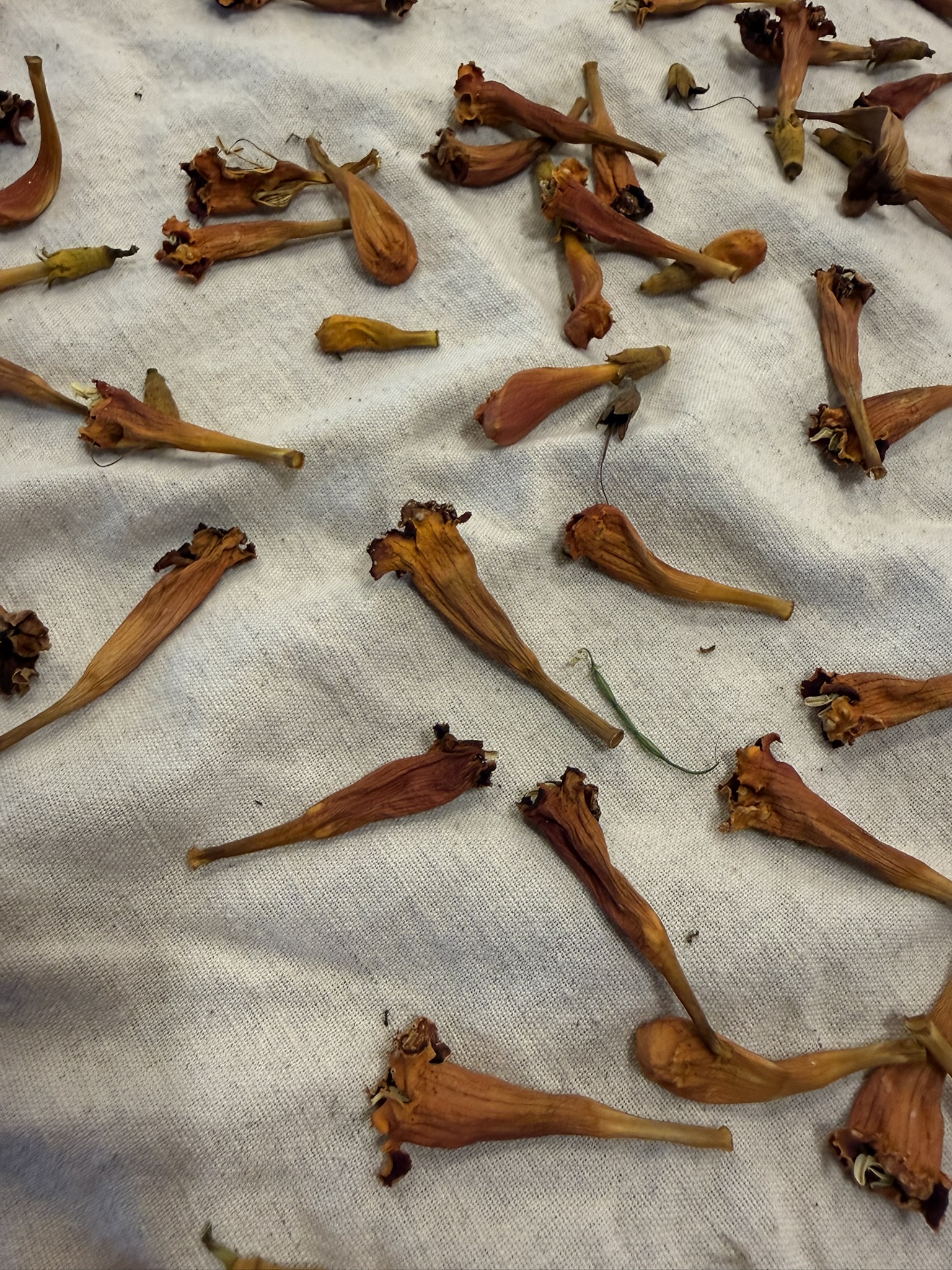
Dried trumpet vine flowers — amber-ochre forms on linen

Trumpet Vine  ·  Campsis radicans

It will devour your fence. The bud clusters are beyond magical.

Trumpet vine is on every invasive list in every state it touches. It is not a plant for the undecided. It will pull down a fence, consume a trellis, emerge through the floor of a shed given time. I am not arguing for planting it. I am arguing for looking at the tight green bud clusters before the trumpets open — clusters of perfect closed forms arranged with a geometric precision that nothing cultivated replicates. When the flowers do open and then dry, they become amber-ochre urns, the color of unripe banana with a warm undertone, extraordinary against darker material. I use them both ways: buds pressed flat, dried trumpets scattered through a piece for their color and their form.
"I think before you decide you hate something,
you should at least see it at its prettiest or in bloom,
THEN decide."

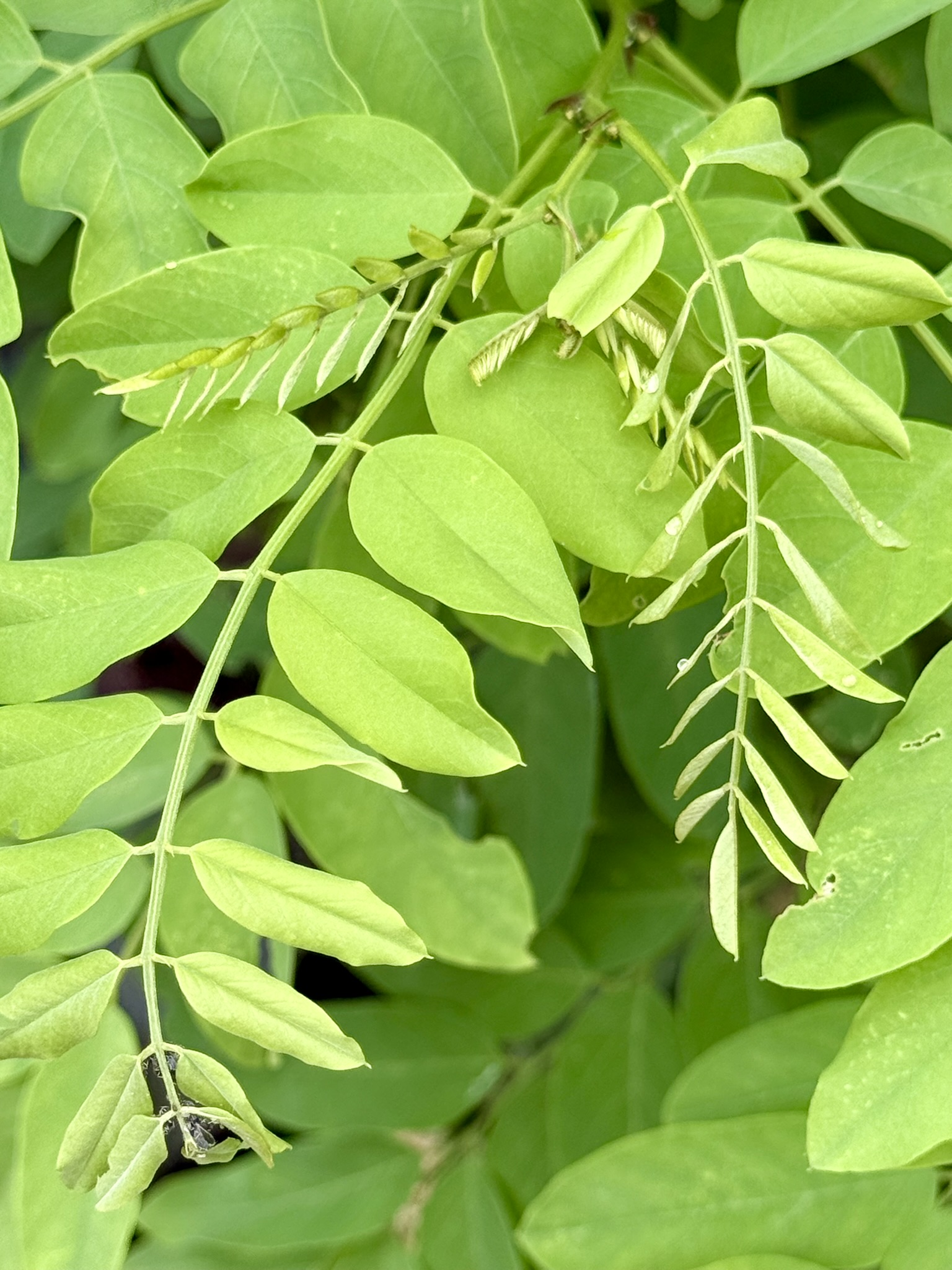
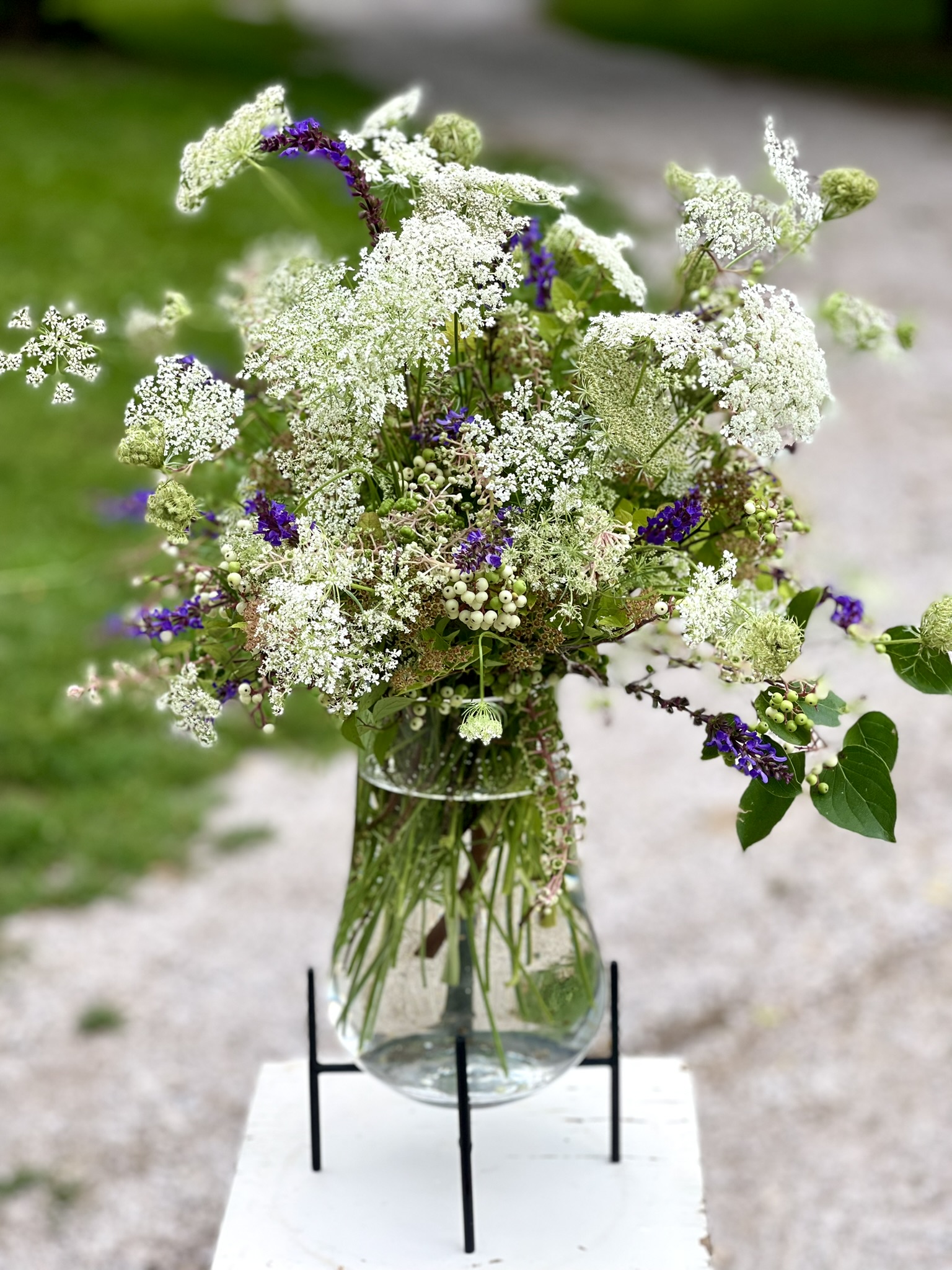
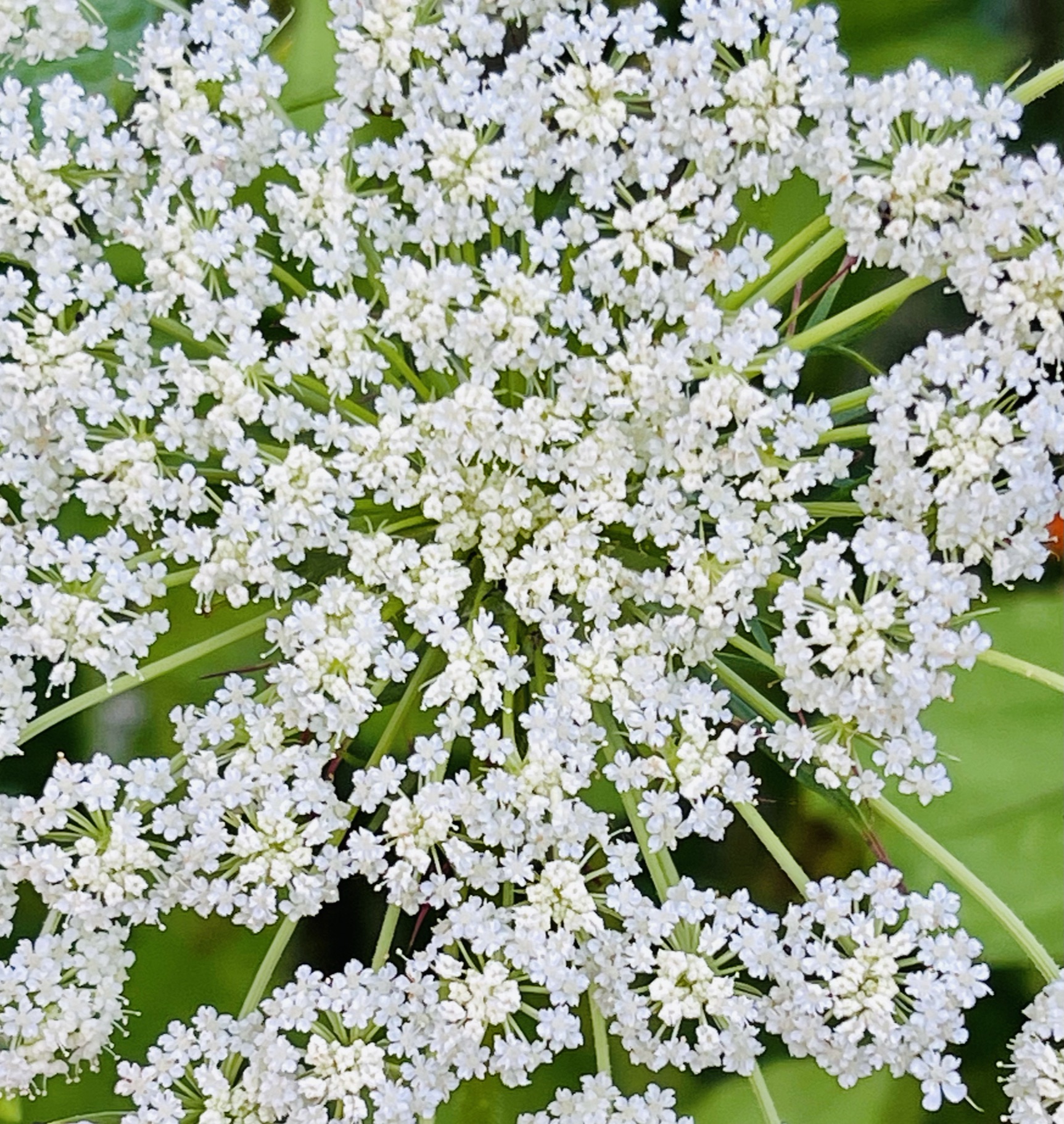
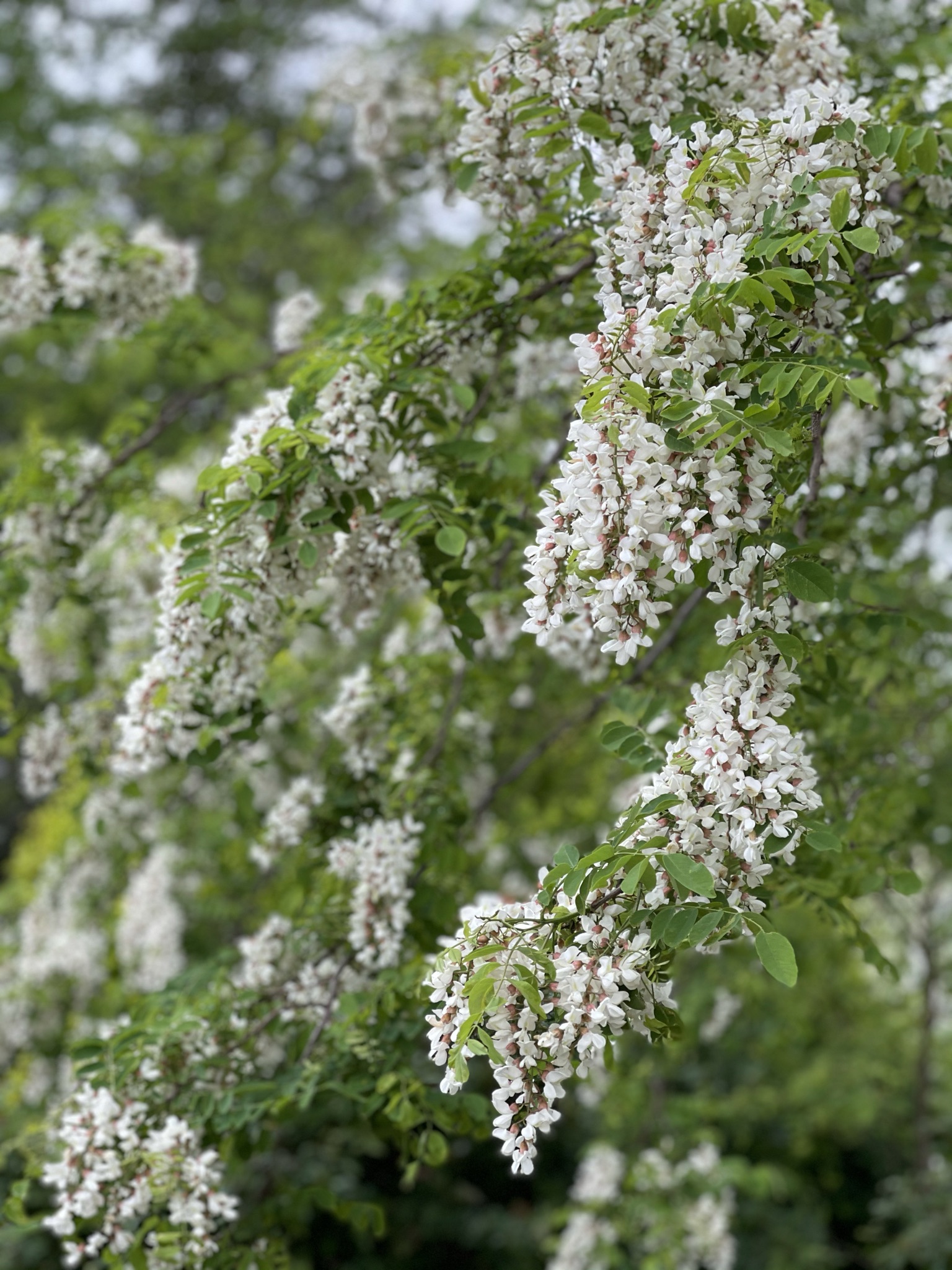
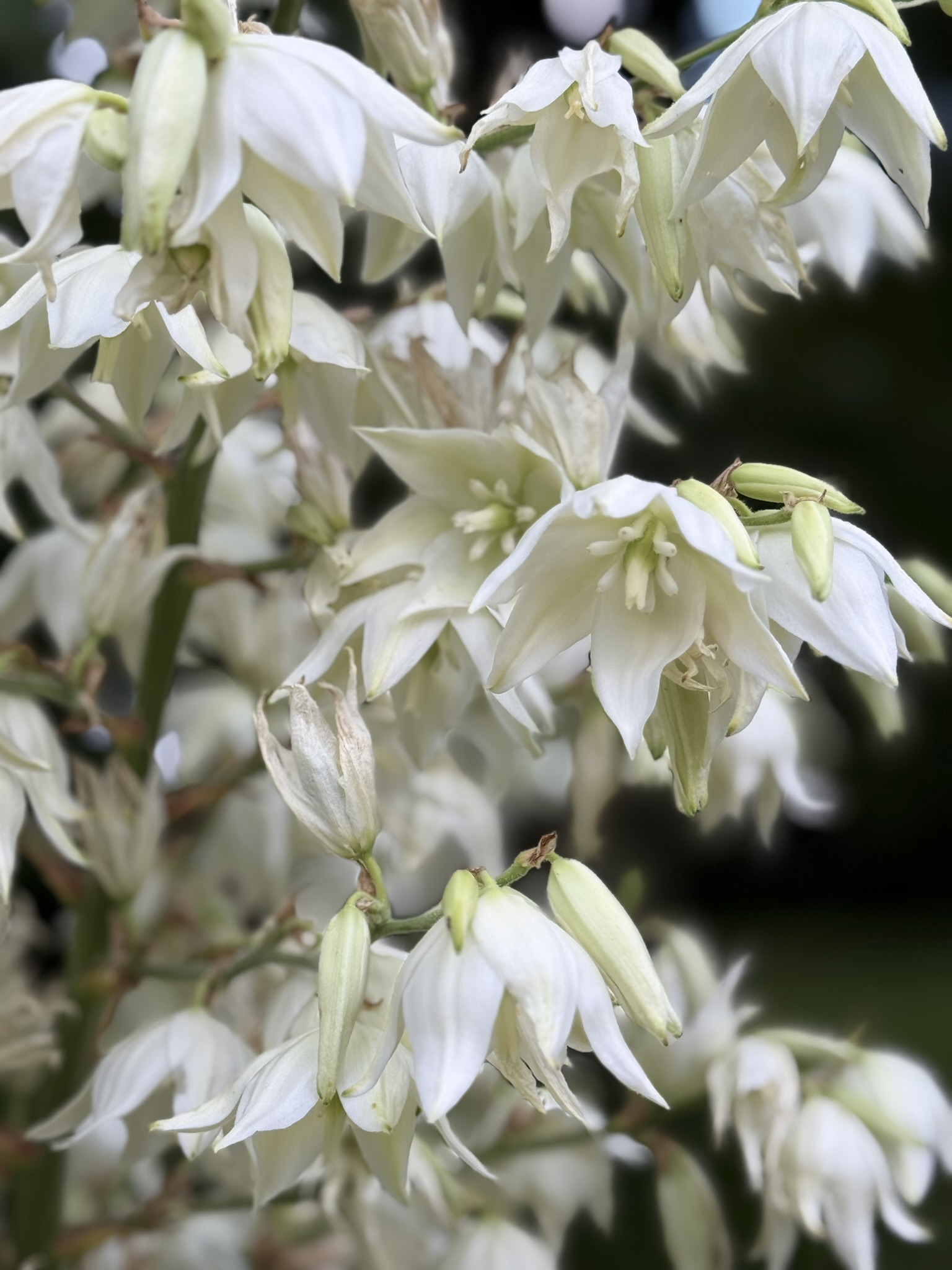
There are more. Goldenrod, which most people mistake for ragweed and blame for allergies it doesn't cause. Wild carrot — Queen Anne’s Lace — whose lacy heads pressed while still domed and tight rather than fully open become something completely different from the roadside cliché. Privet, whose bloom clusters smell like white lilac and look like a florist special-ordered them. Snakeroot, with white flowers as airy as anything in the baby’s breath family, growing in deep shade where almost nothing else will. Black locust, whose baby leaf sections are gorgeously delicate and whose blooms dry to the color of an unripe banana. Virginia creeper, whose tight bud tendrils pressed flat become something architectural. Yucca when it blooms — and it blooms infrequently, which makes the moment worth catching.

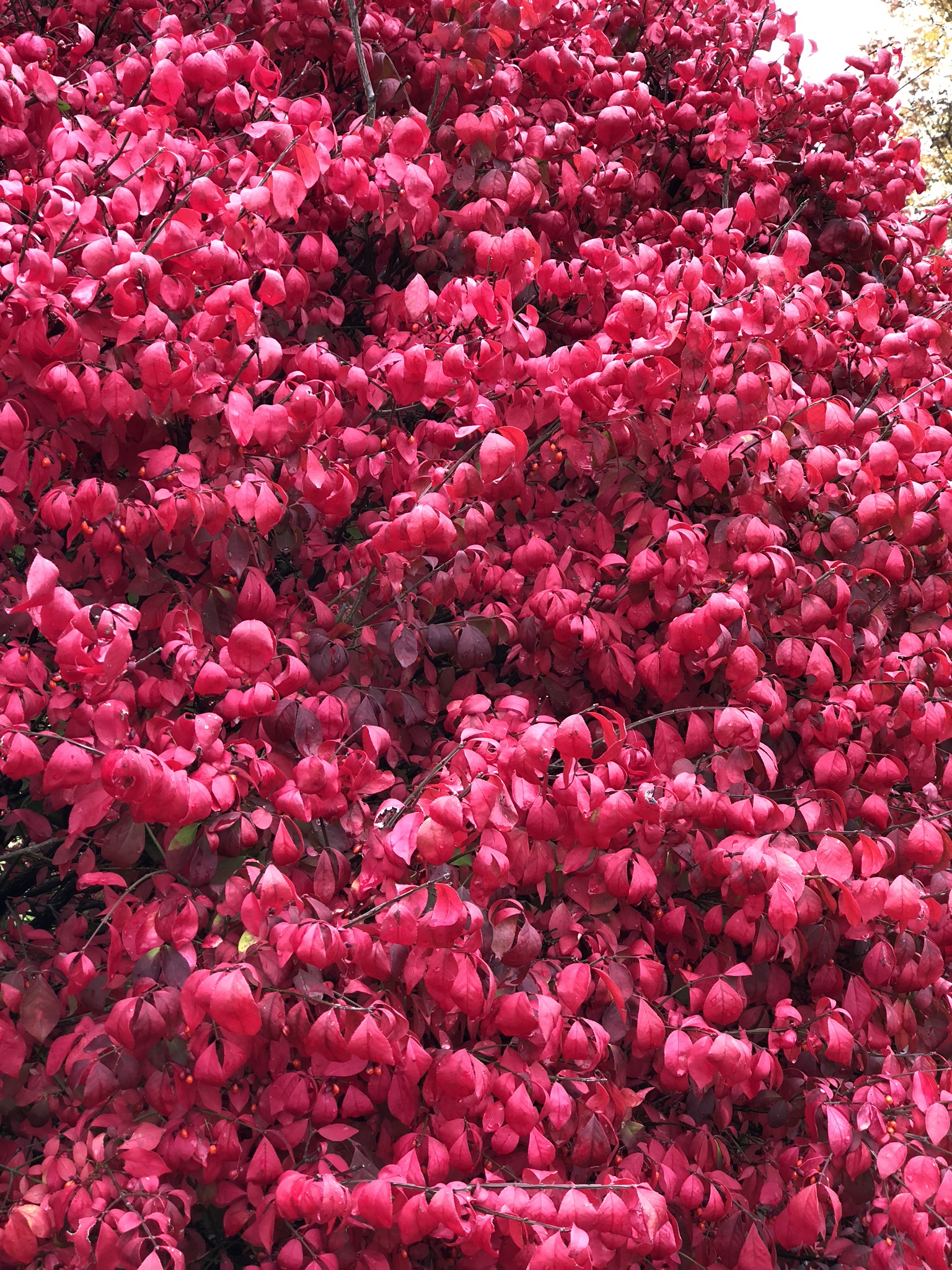
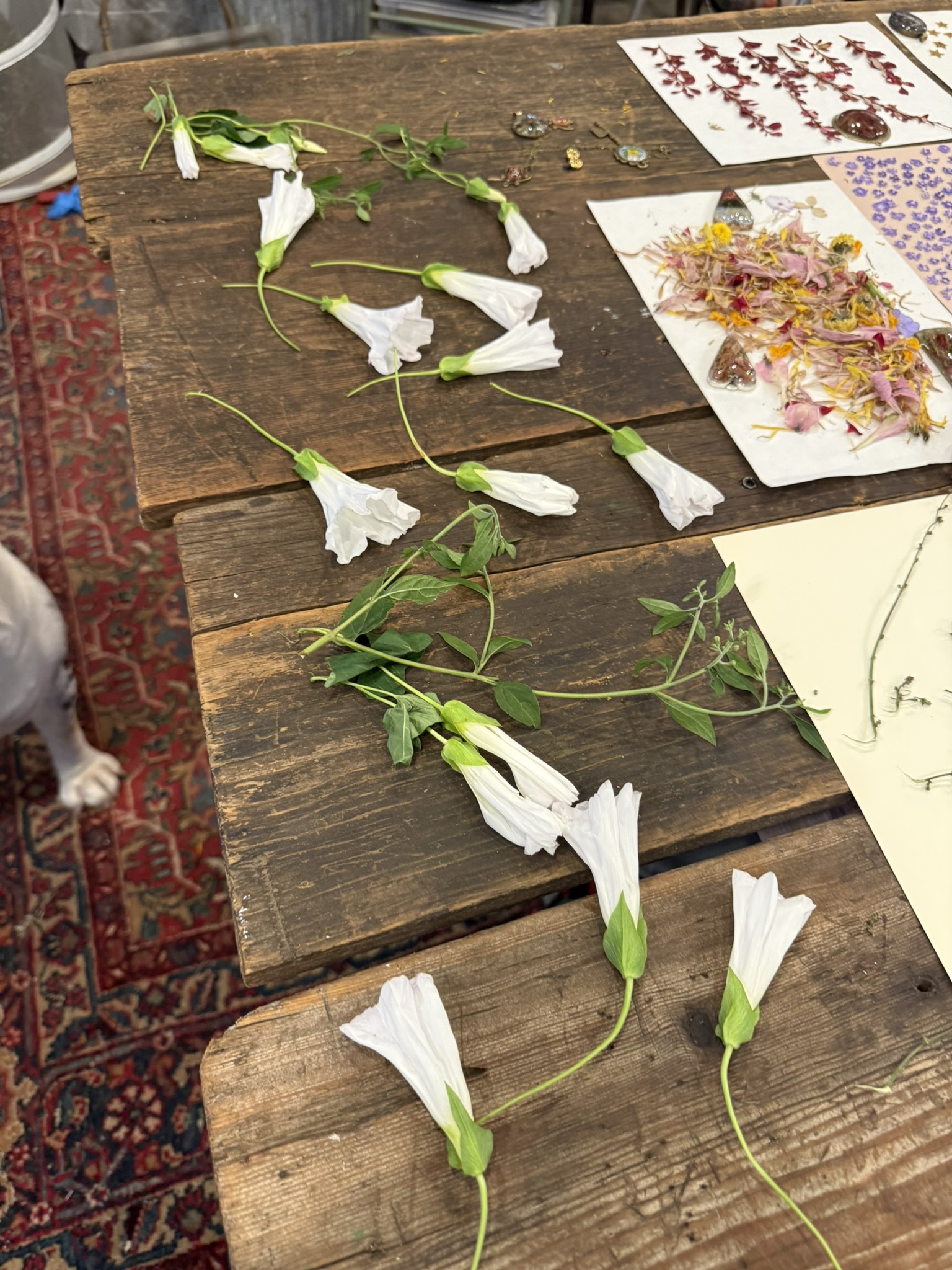
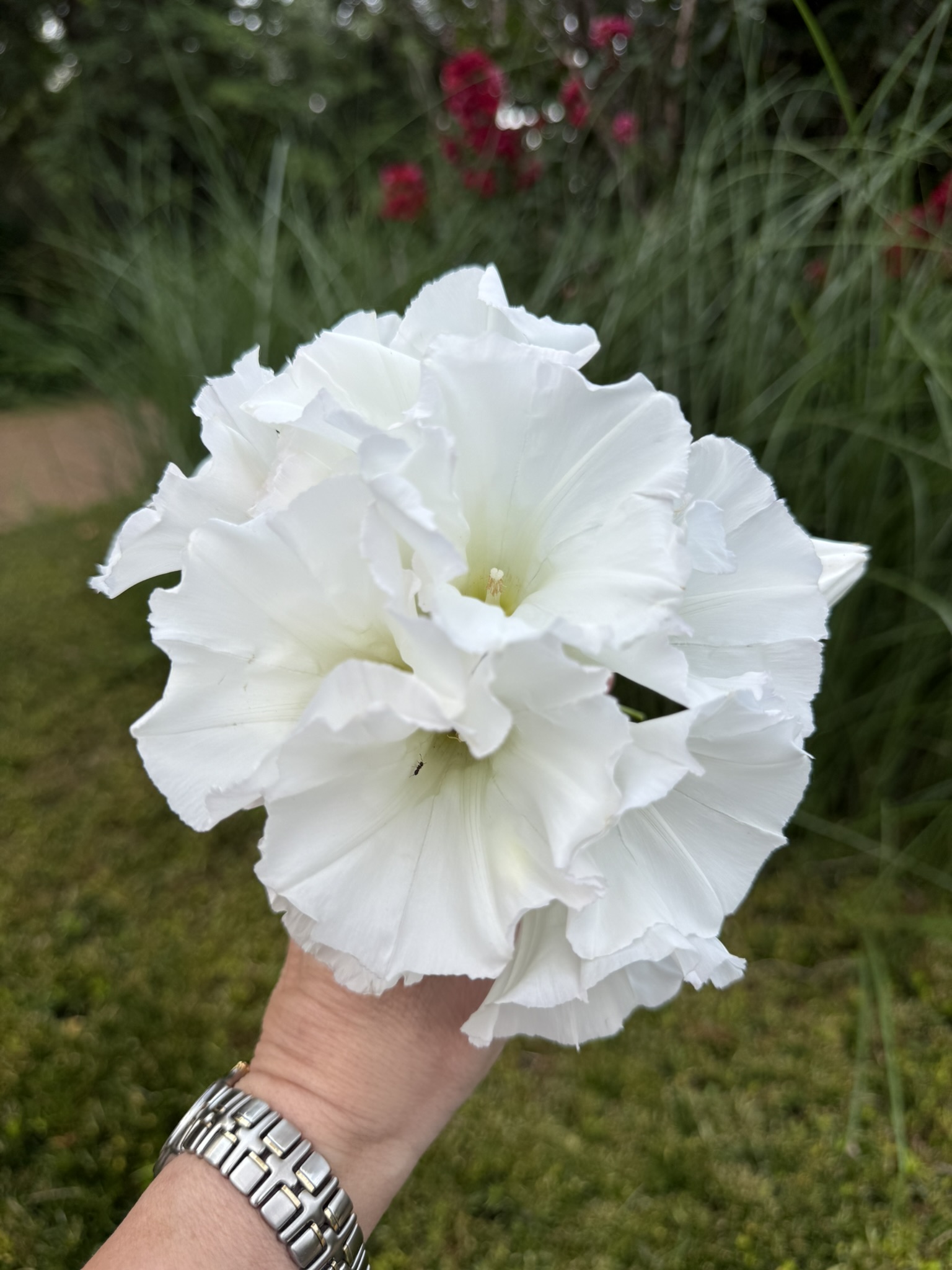
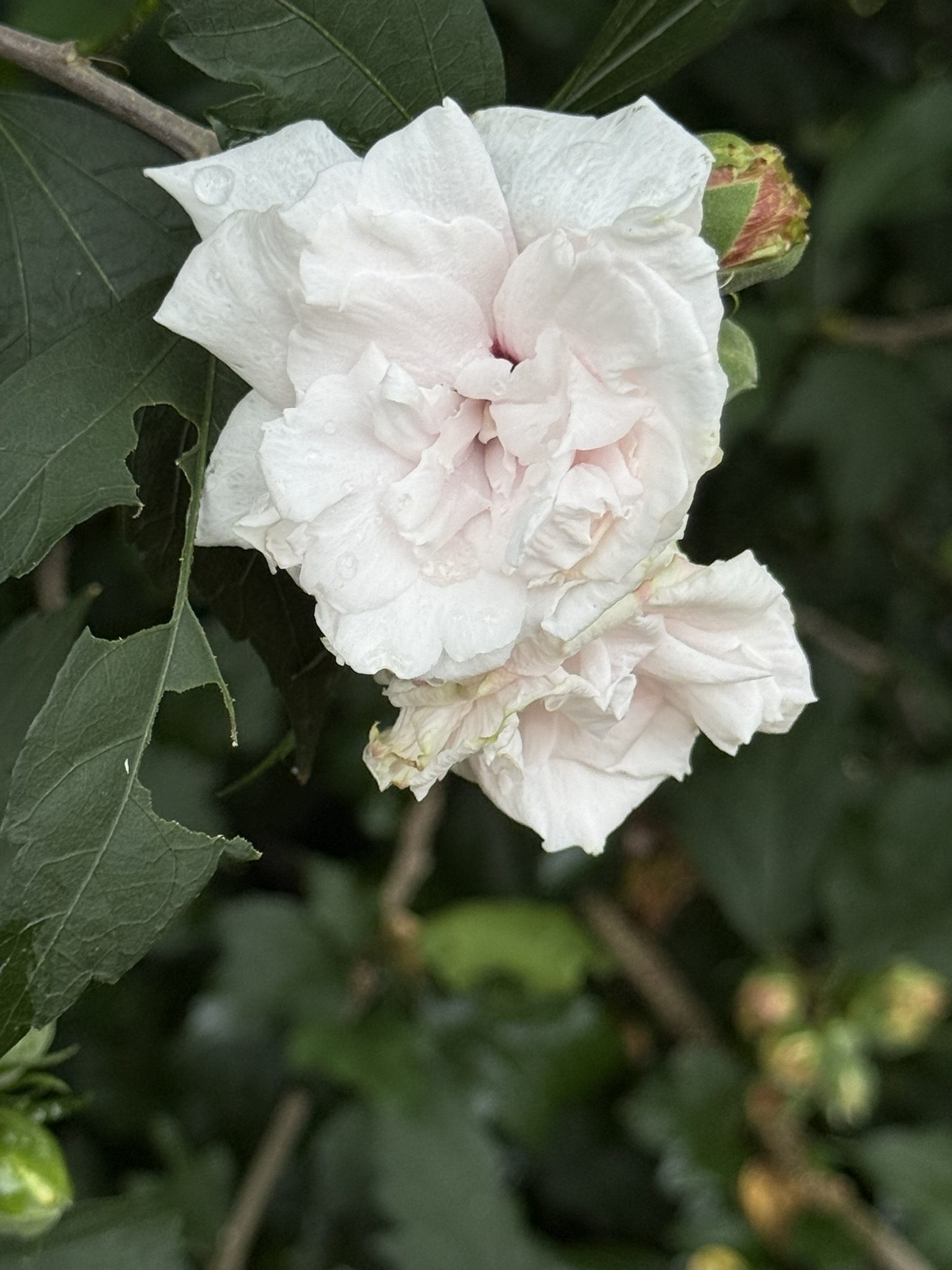
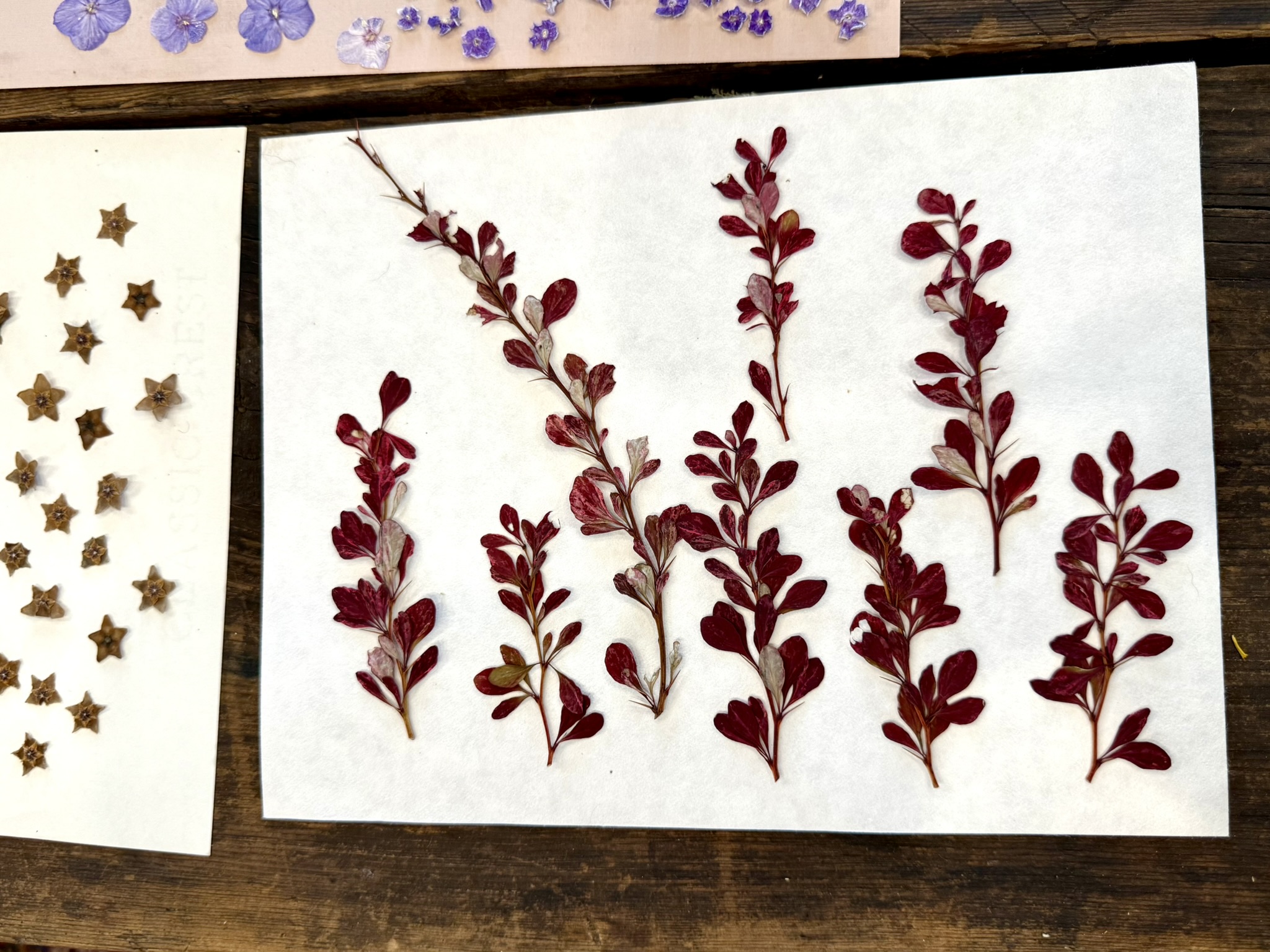
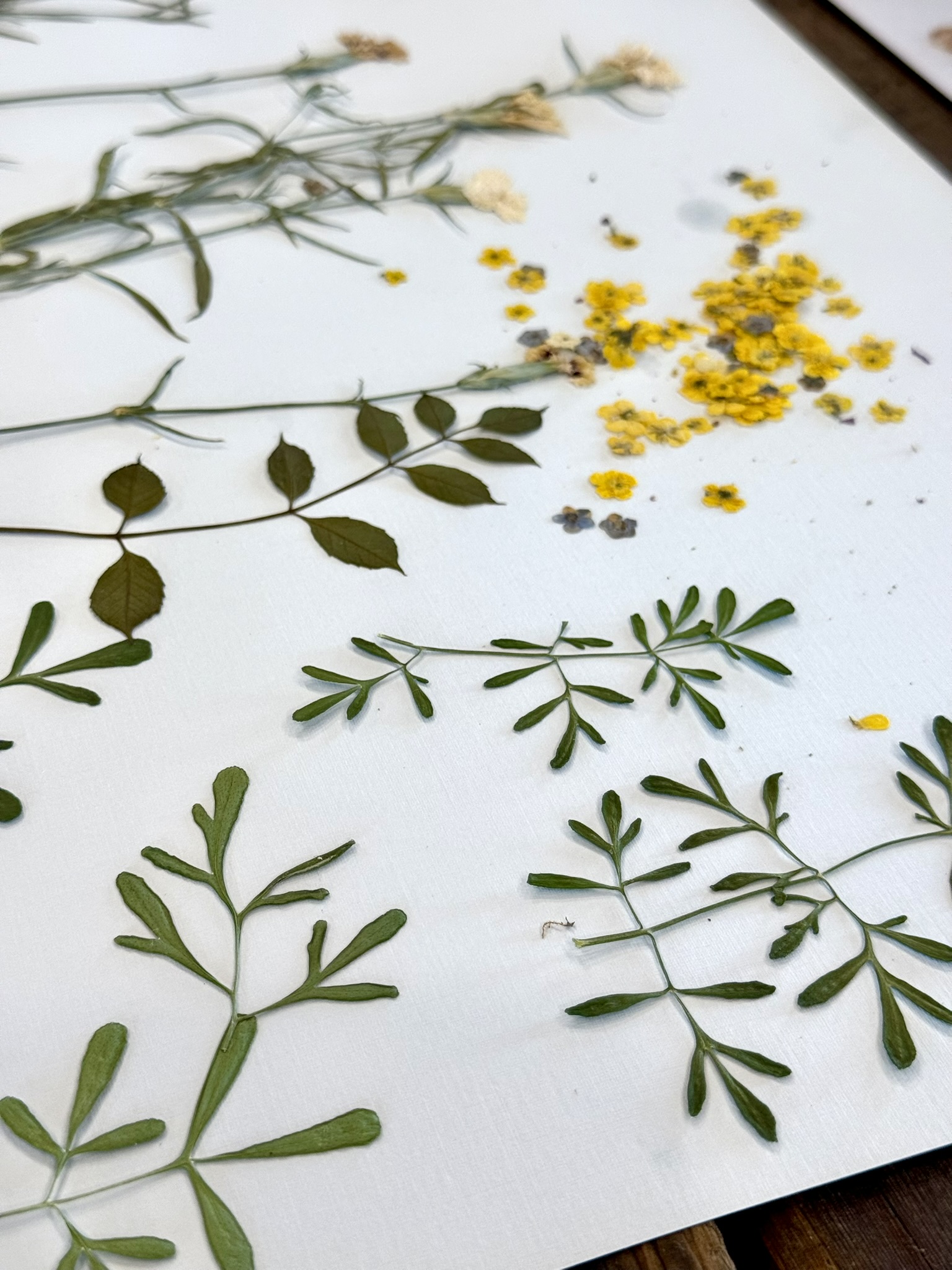
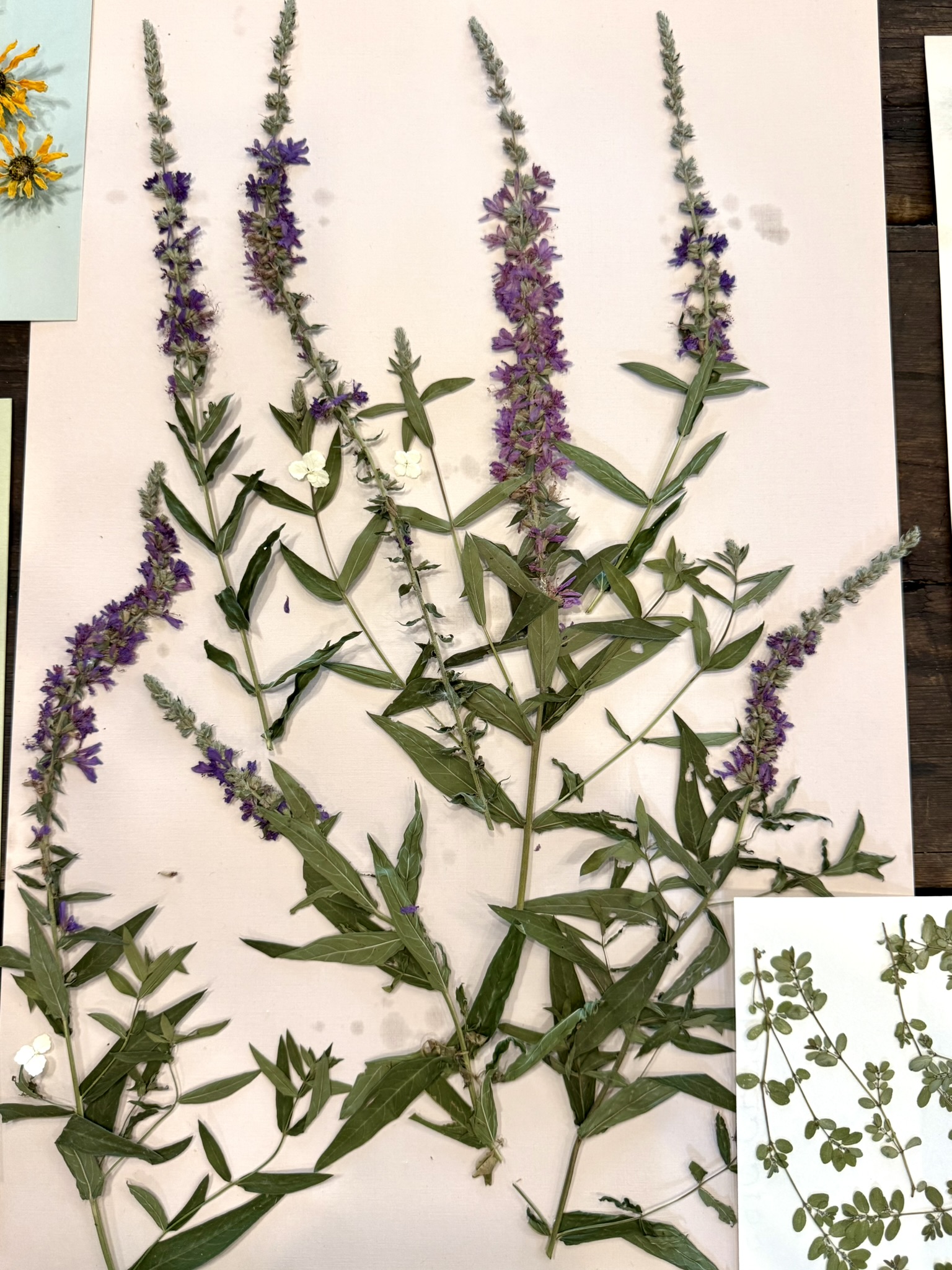
Rue, which has been in gardens since antiquity, smells extraordinary, and has blue-green foliage unlike anything else in the design palette. Valerian, whose micro bloom clusters pressed become botanical confetti. Burning bush before anyone gets near it with the pruning shears — the autumn color is incandescent. Rose of Sharon, which seeds itself into every bed and path and is considered a nuisance, and blooms with the kind of abundance gardeners pay to replicate. Hedge bindweed, which will strangle everything around it and carries the largest, cleanest white trumpets of any climbing vine. Barberry, whose pressed autumn leaves hold a wine-red that nothing else in the collection matches. Purple loosestrife. Moonseed. Sweetshrub, buttonbush, elderberry, fleabane.

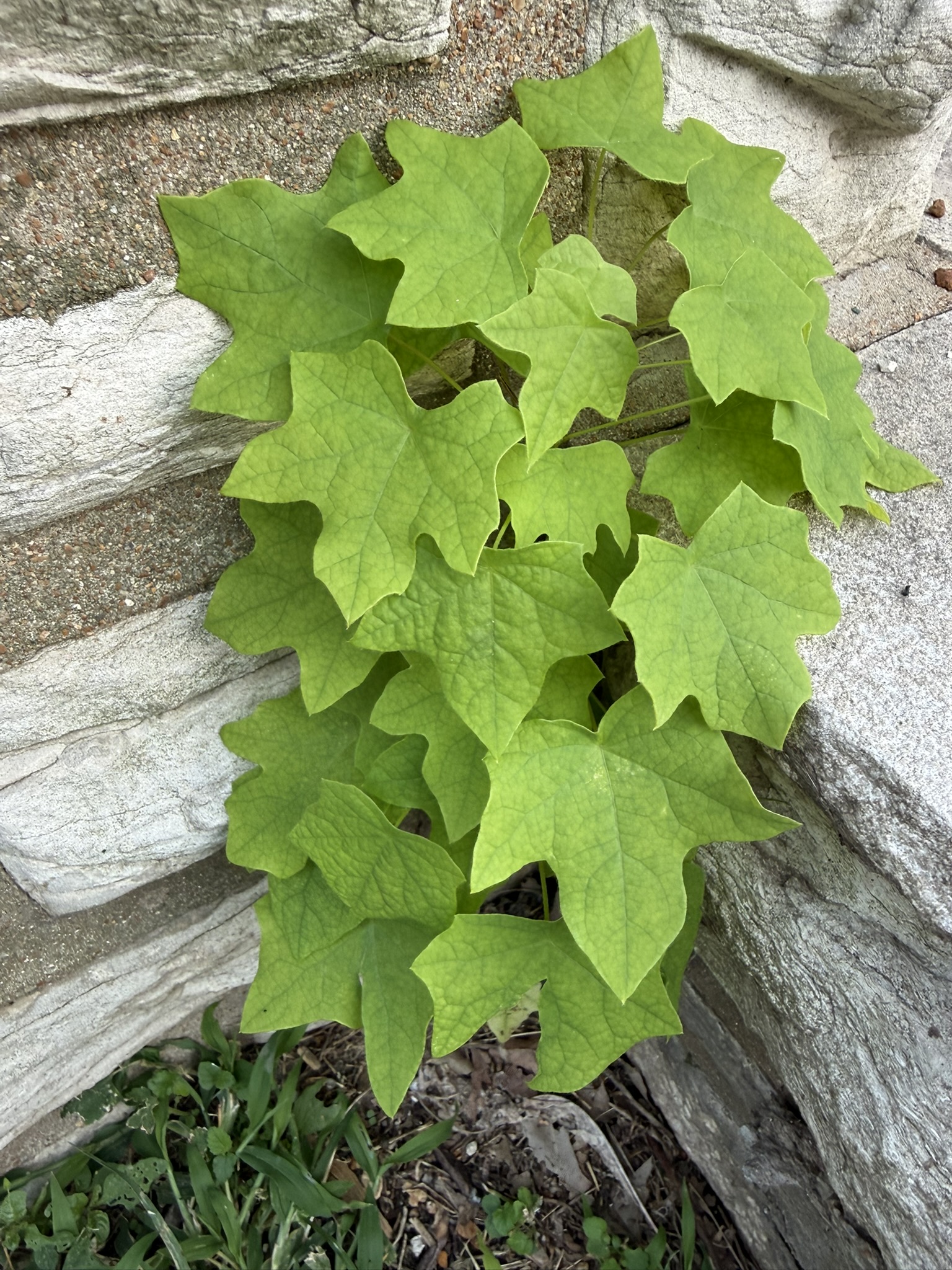
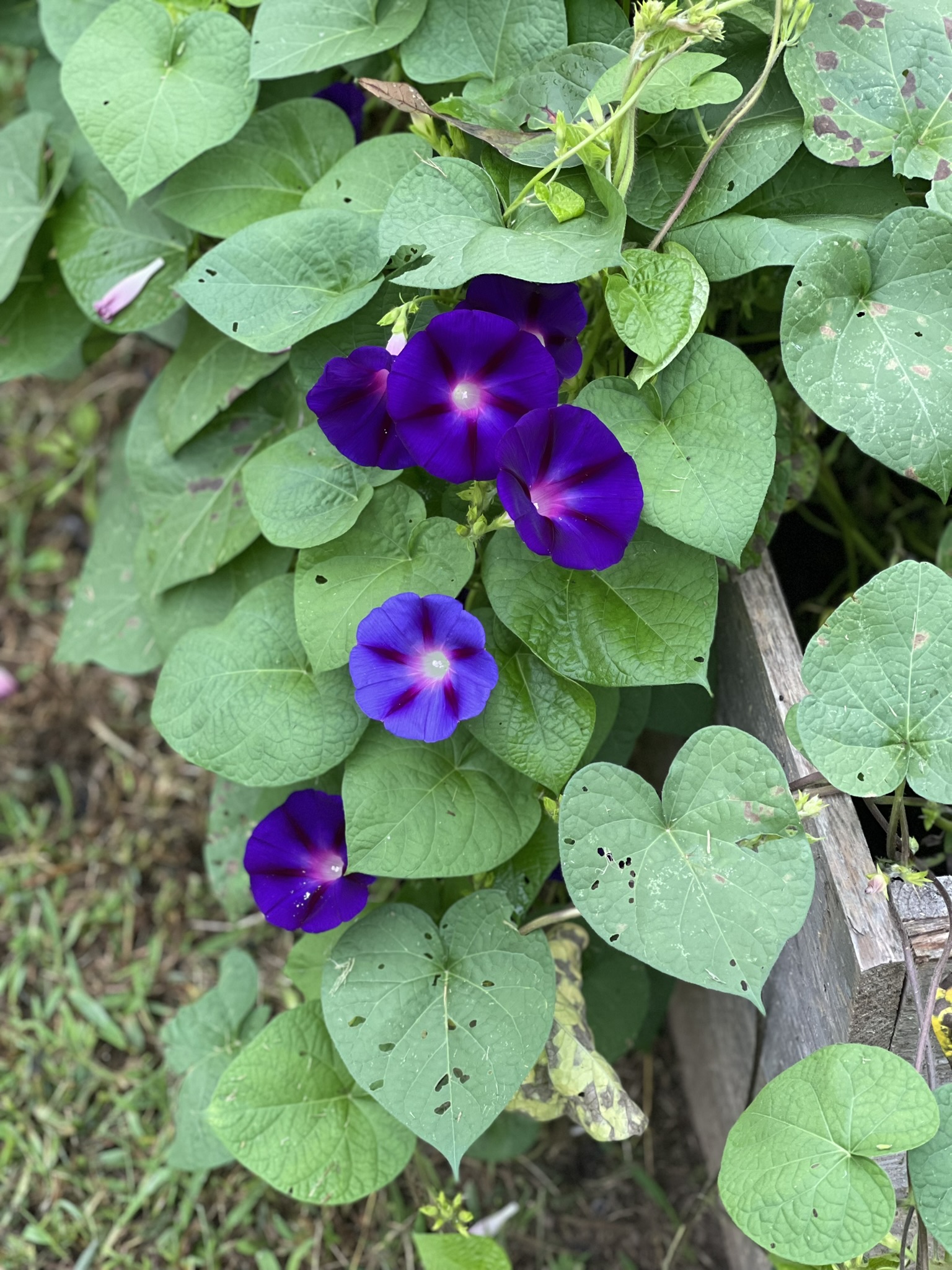
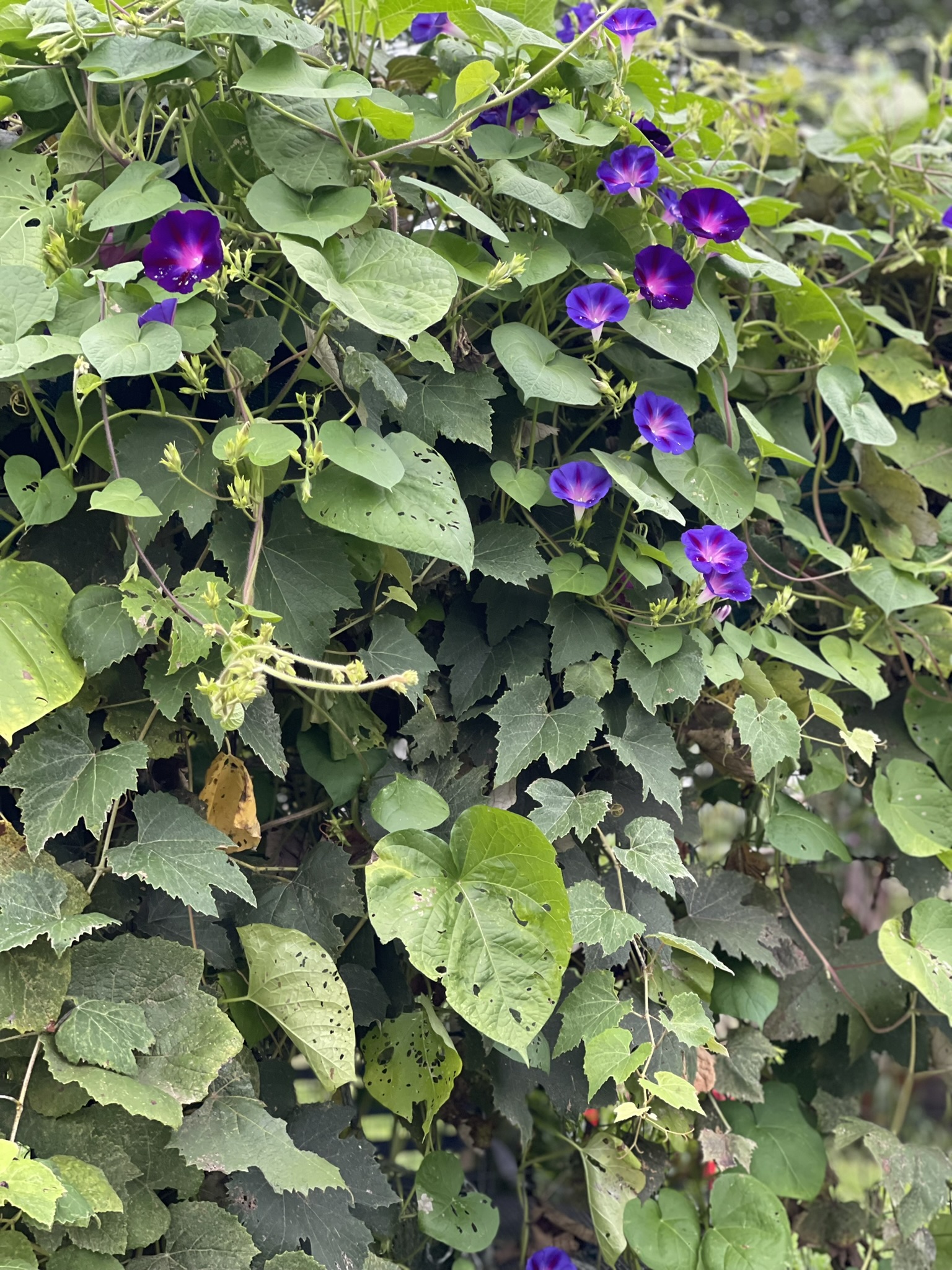
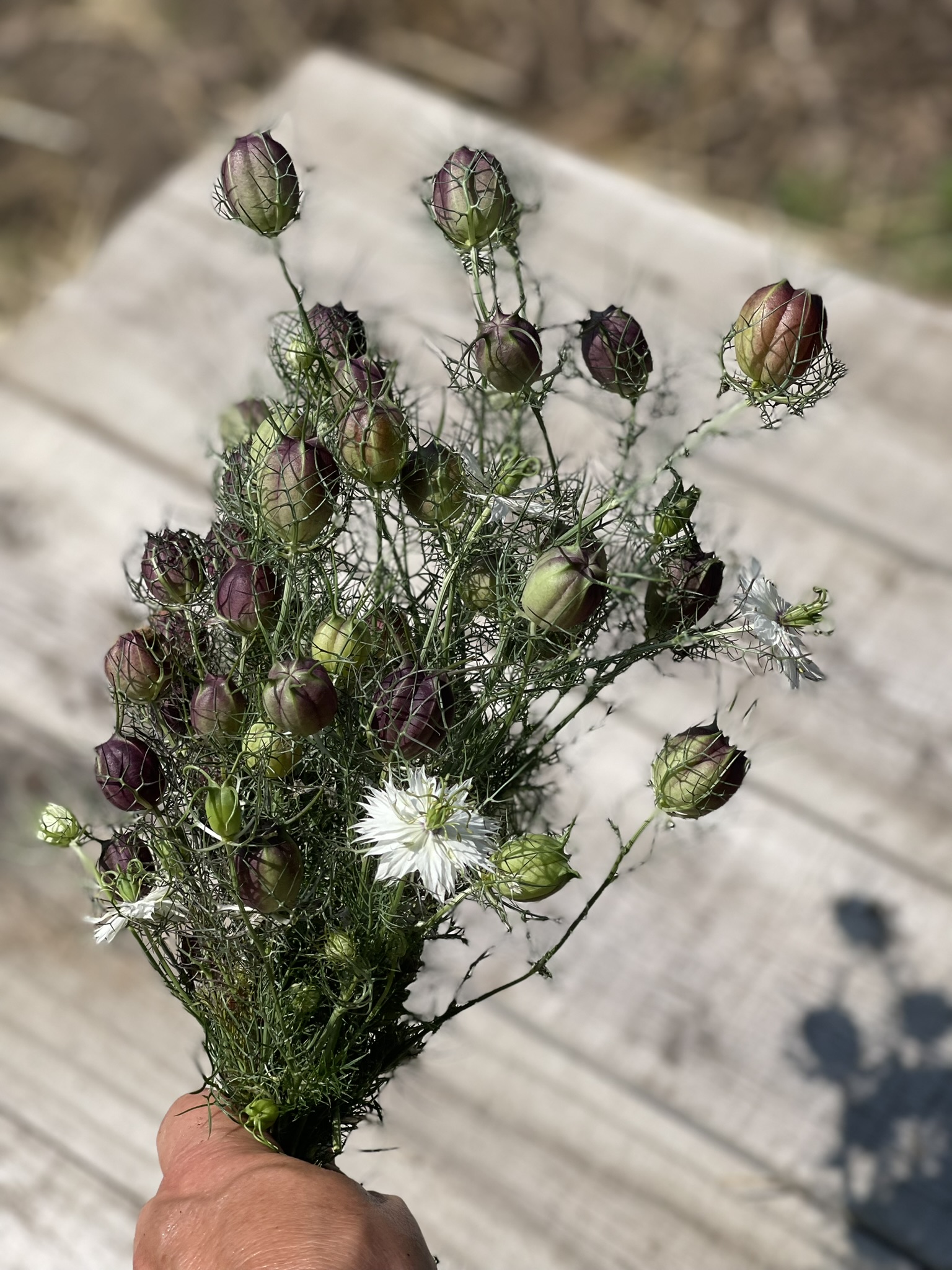
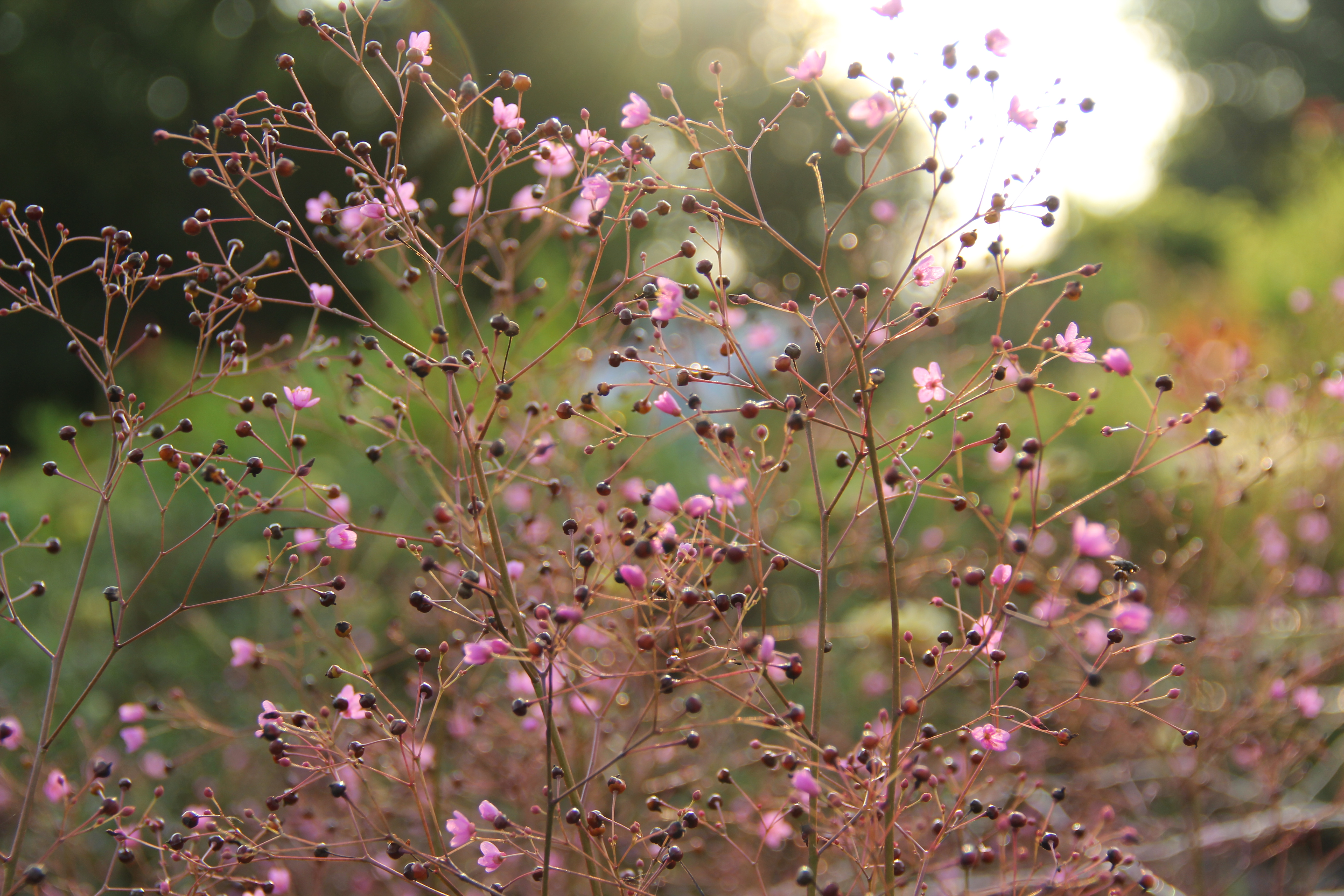
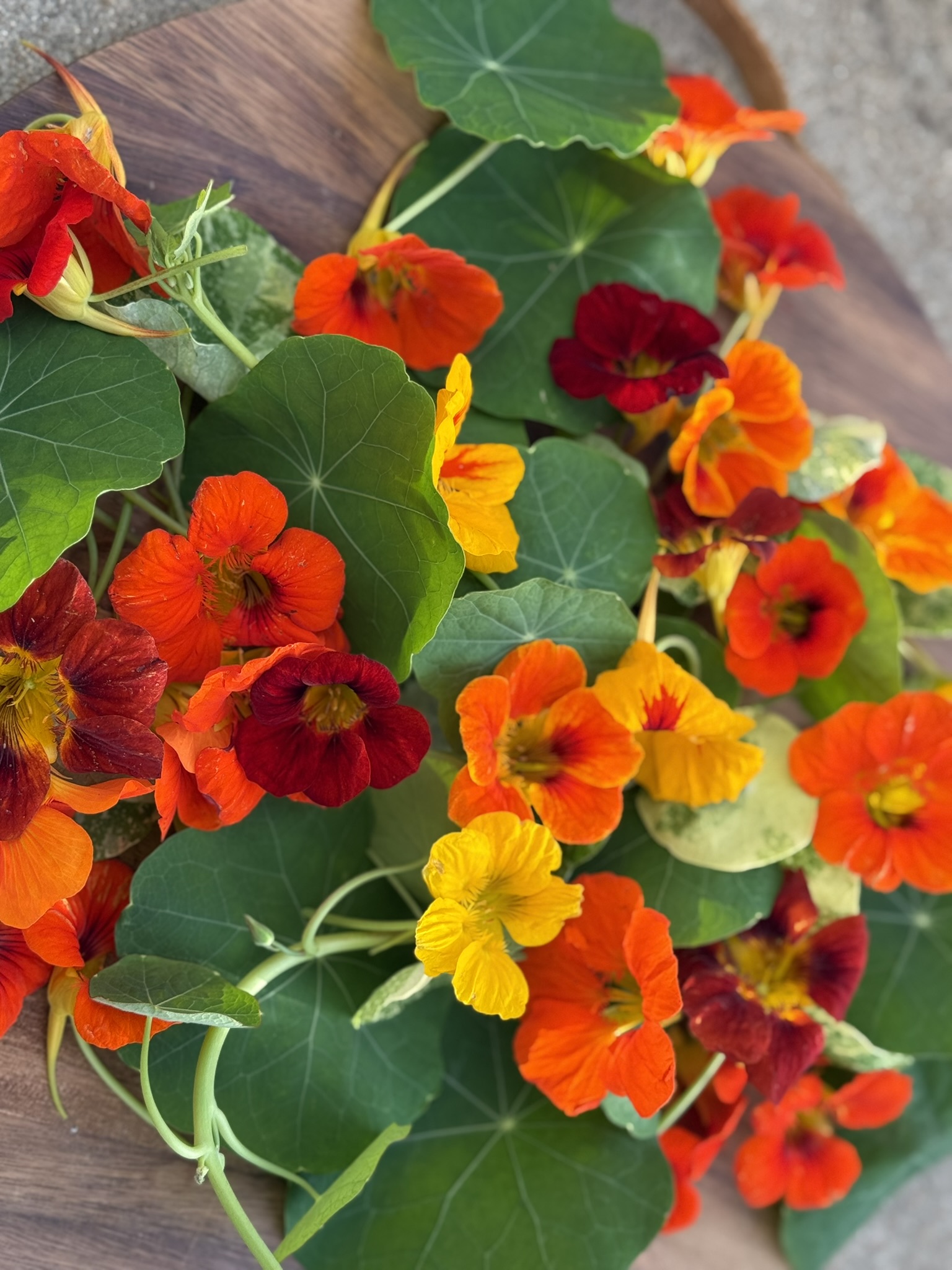
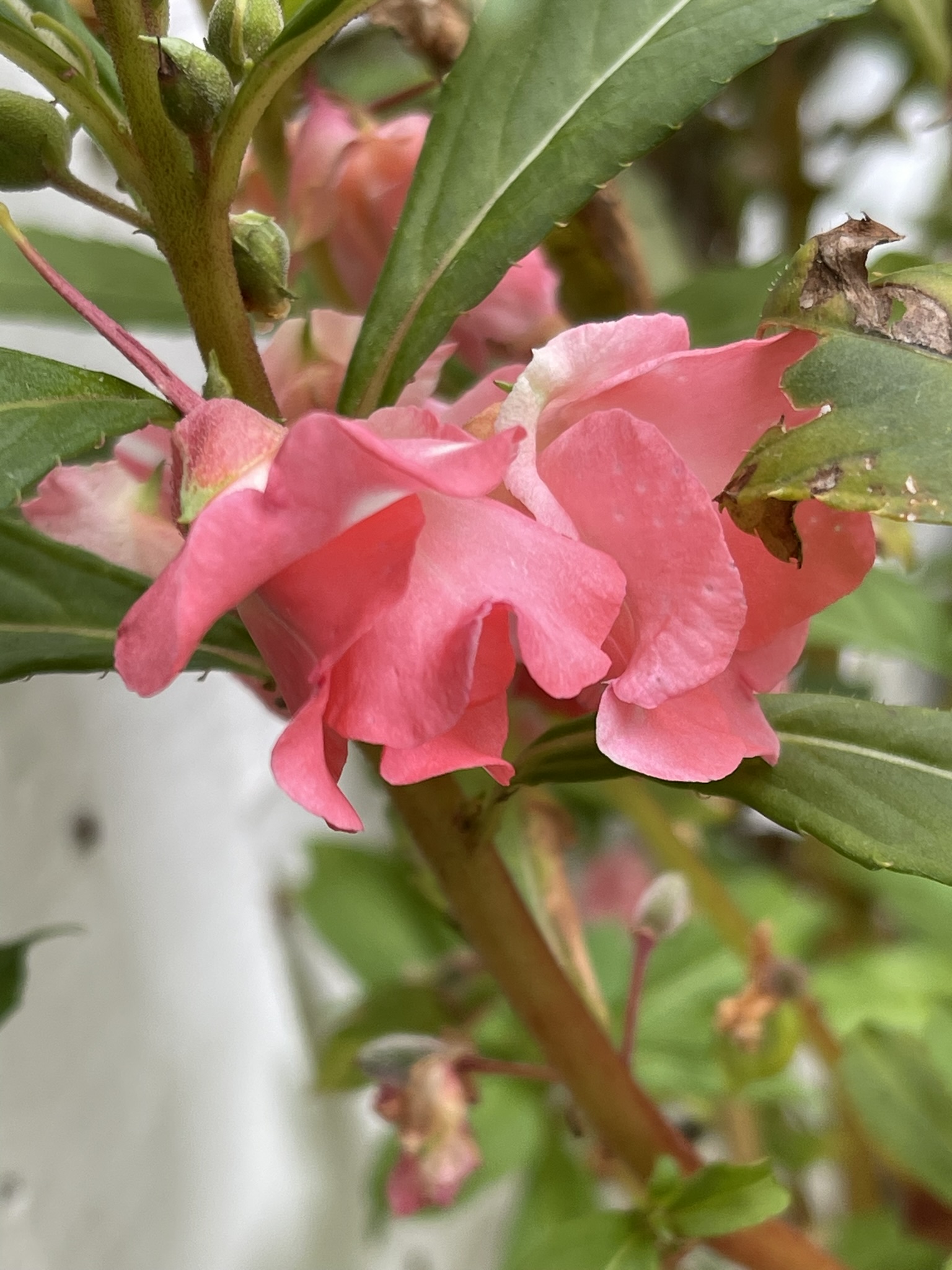
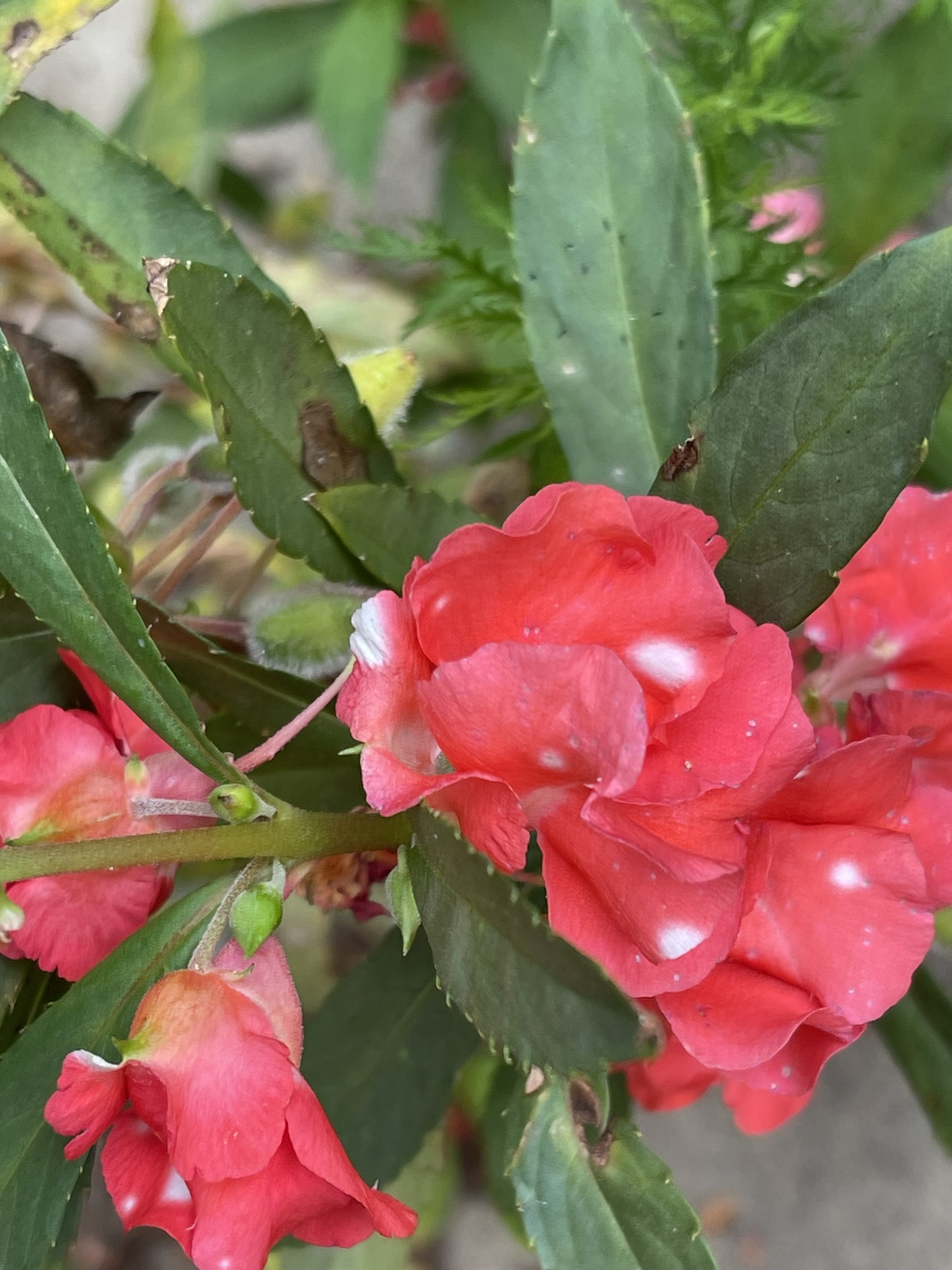
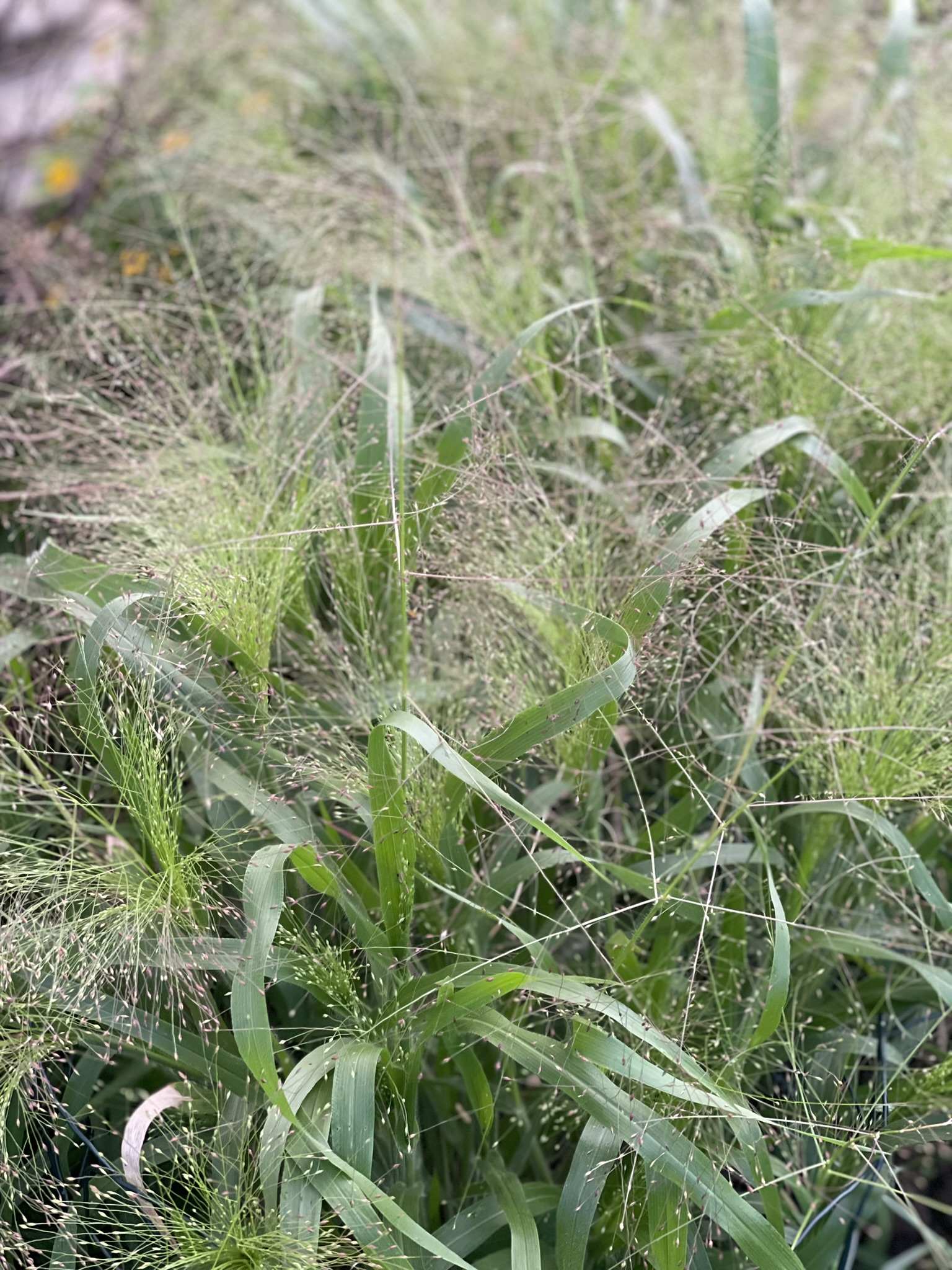
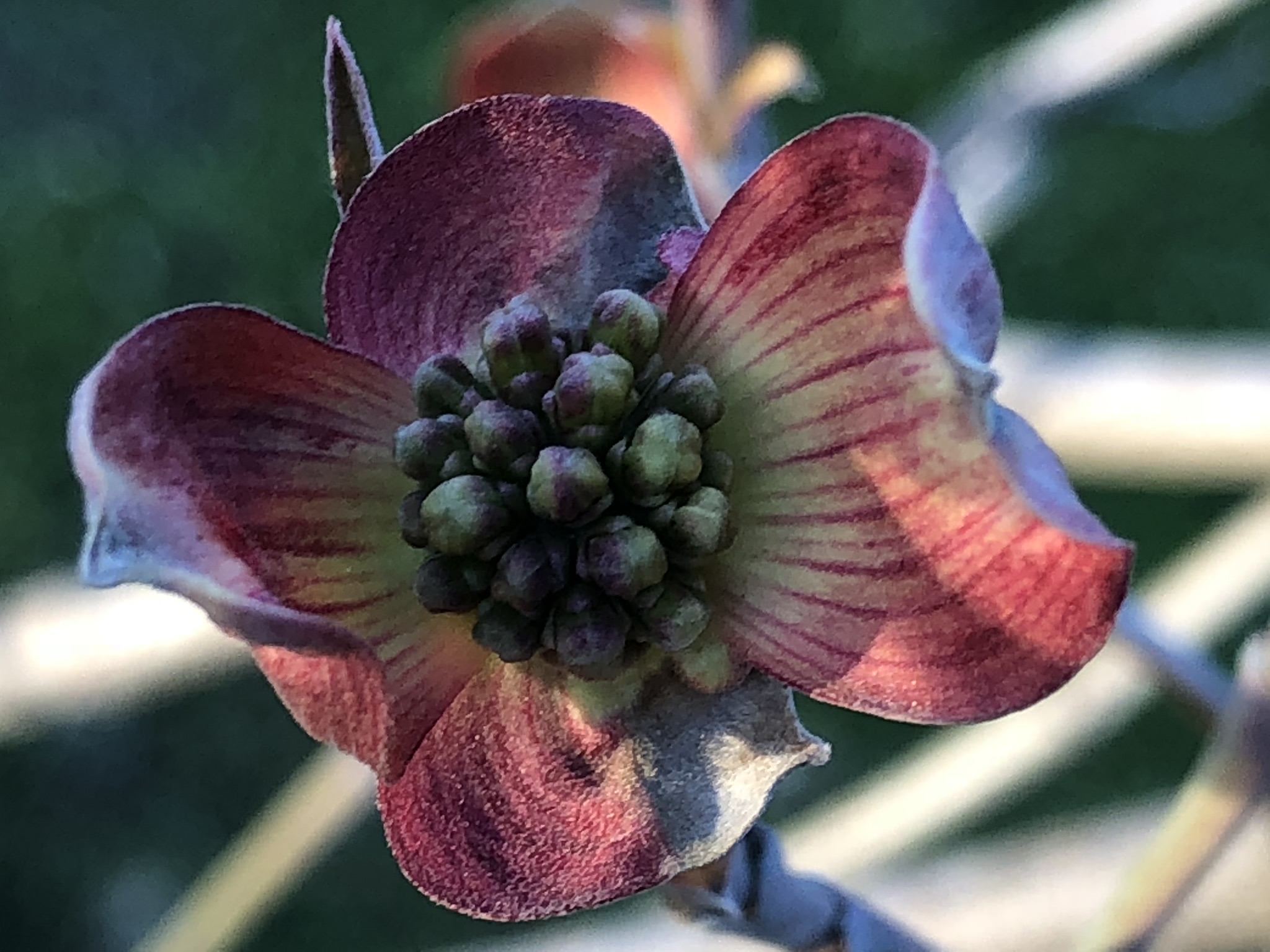
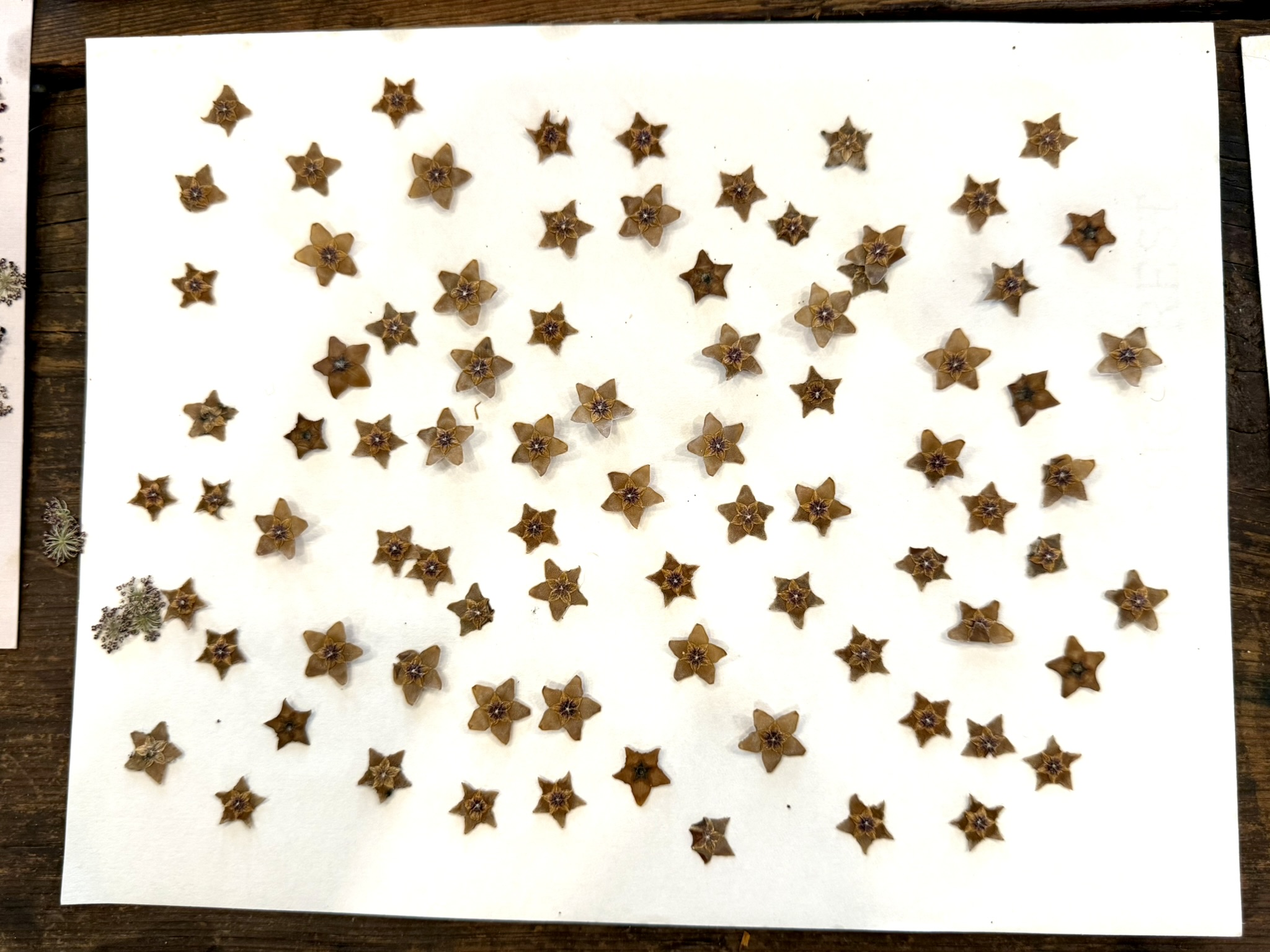
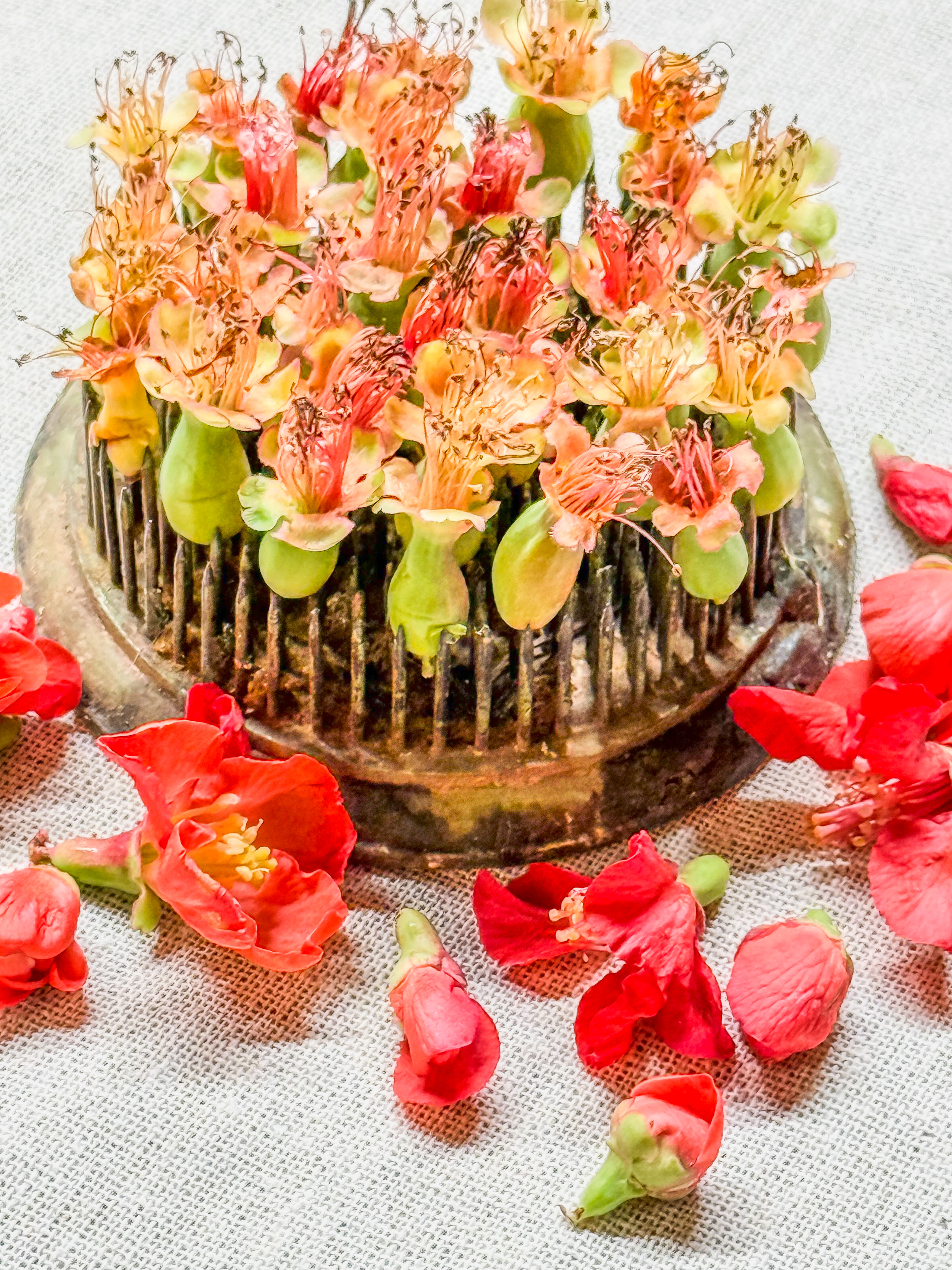
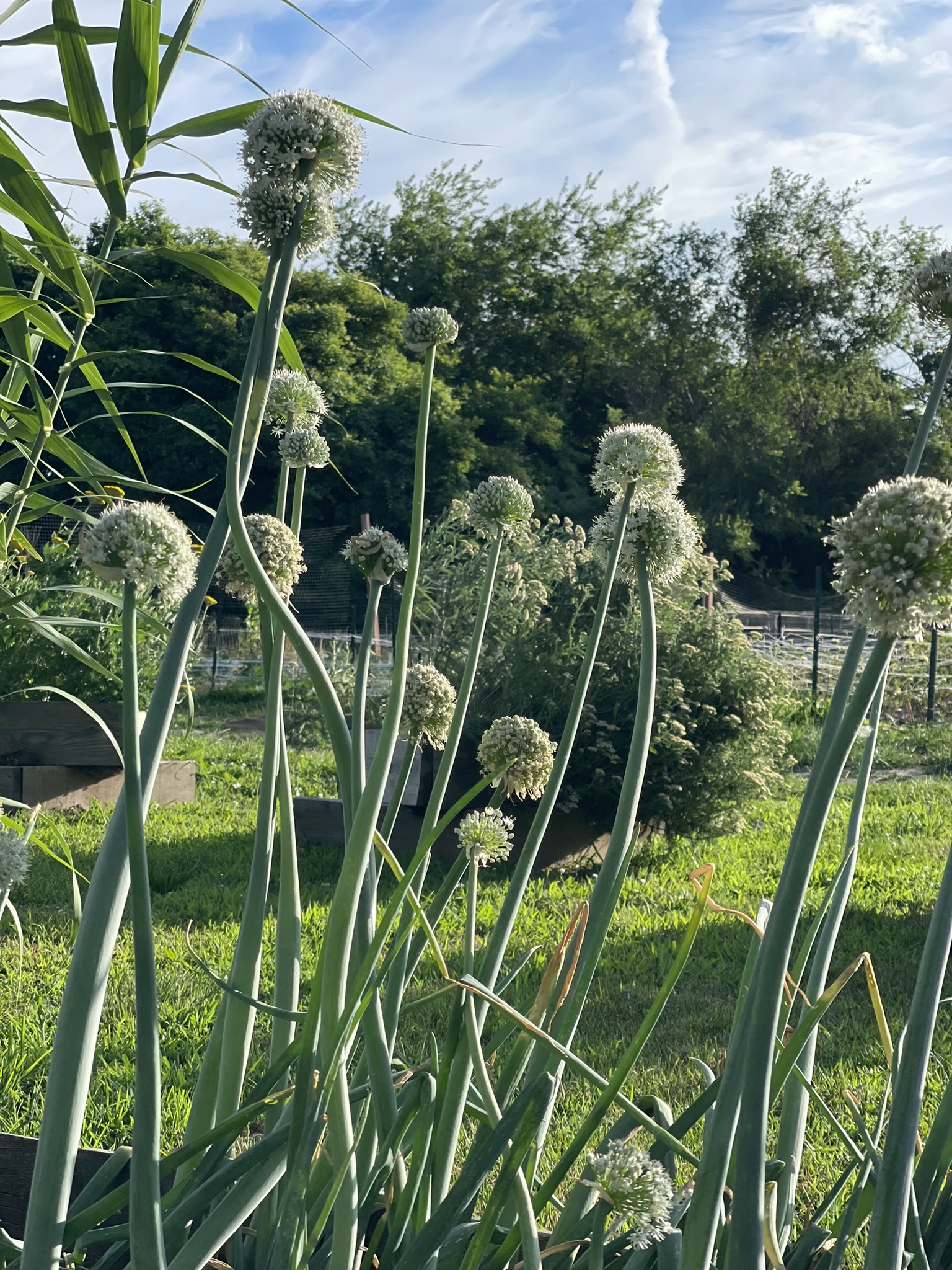
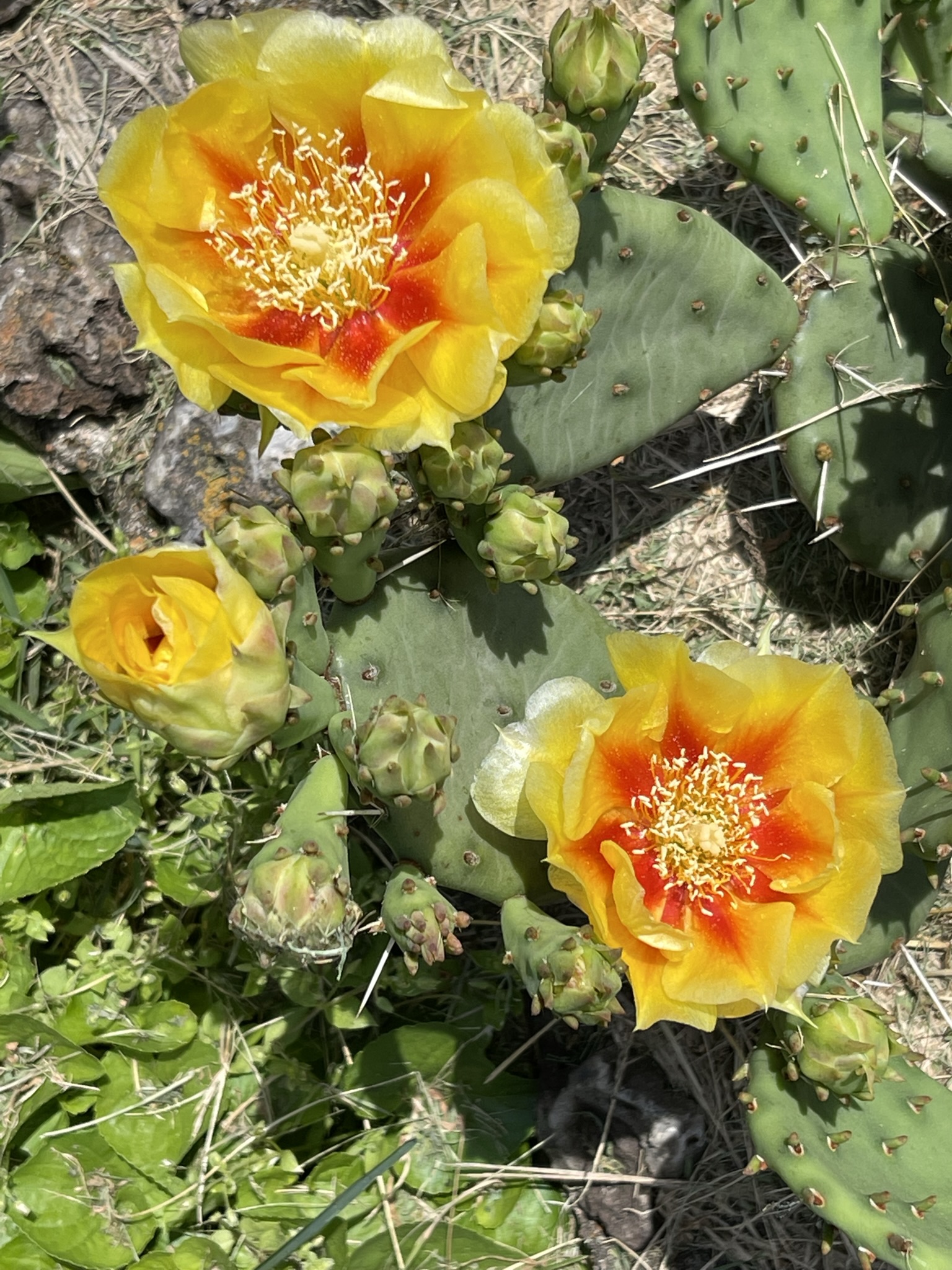
The balsams — peppermint stick, pink — which self-seed so aggressively they’re impossible to contain and press into something translucent and delicate. Mahogany hibiscus, whose deep burgundy flowers are almost black at the center. Wild onion, whose bloom clusters are architectural and faintly iridescent. Cup plant, which towers over everything and offers a yellow flower that presses like a sunflower and looks like one too. Talinum, which nobody grows on purpose and which seeds itself into every crack and corner, with tiny jewel-like blooms that photograph like a painting. Nigella leaves — feathery and fine pressed flat — most people take the seed pods and discard everything else. Dogwood at the juvenile bloom stage before the bracts fully open. Maple in October. The wax plant in star formation. Nasturtium, which seeds itself so aggressively it might as well be wild, whose flowers press to a luminous orange that holds for years. Explosion grass, whose dried seed heads carry a whole atmosphere of light in them. Morning glory in the purple form. Cactus blooms — one day, sometimes less, and then extraordinary when dried. Quince hearts on a frog.
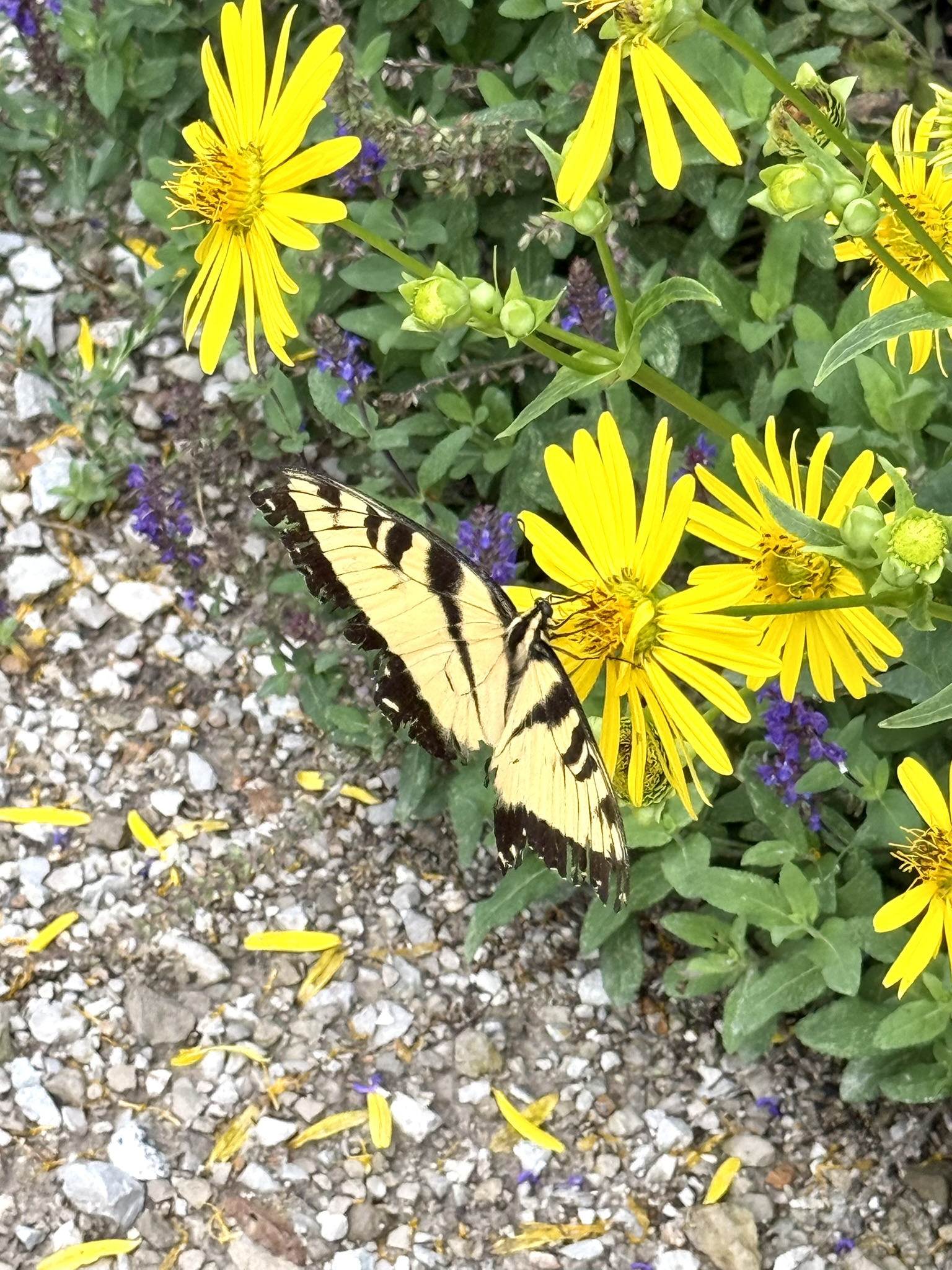
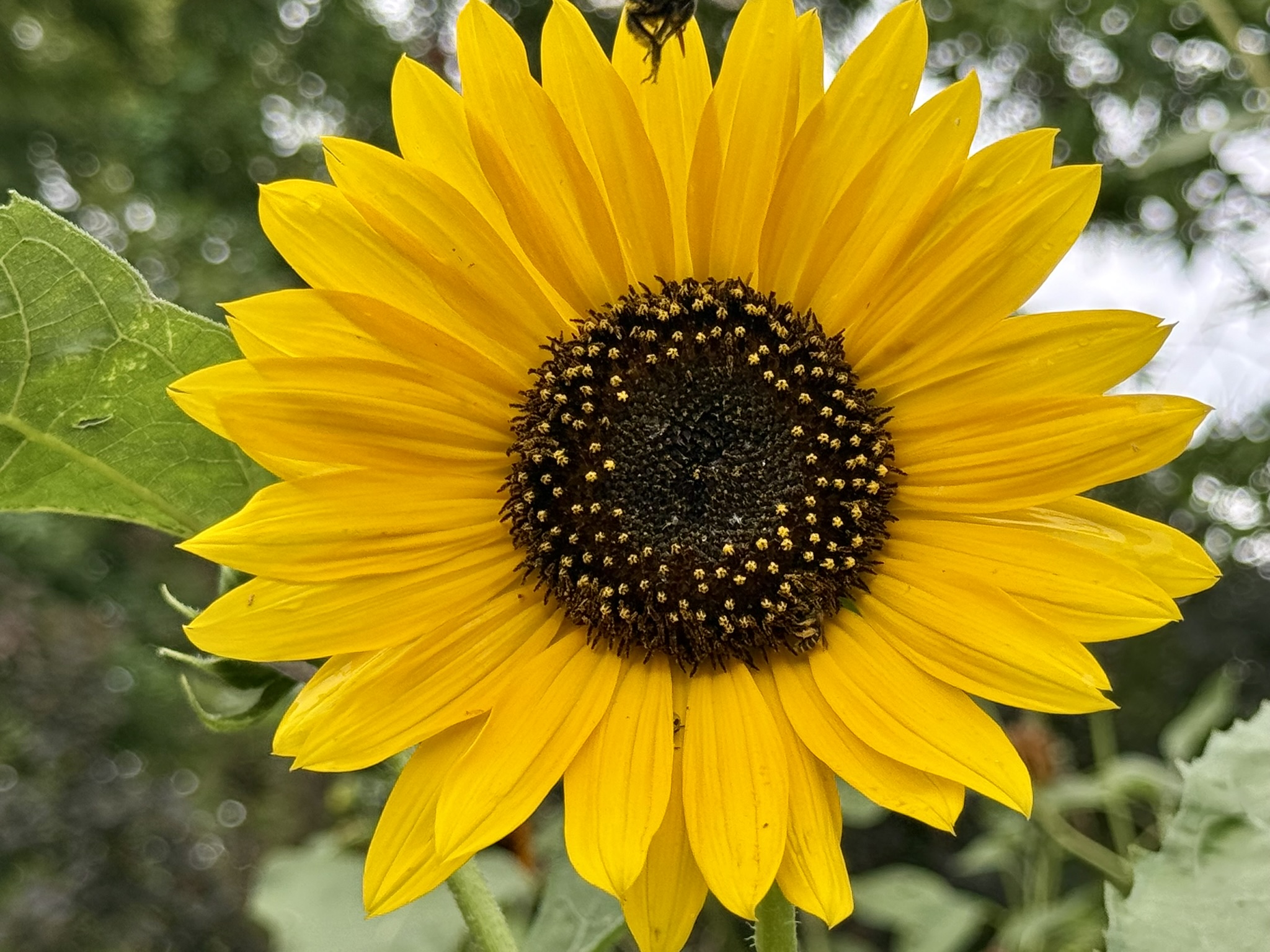
Everything in the gallery below is from the property. I understand the impulse to remove things. But the label “weed” describes a plant’s relationship to someone’s expectations, not the plant itself. What you see when you look at these with your expectations off — really look, unhurried, before you decide what they are — is almost always worth the stop.

"Everything is beautiful when you wear wonder goggles."

— Luli

← Return to the Wonder Table