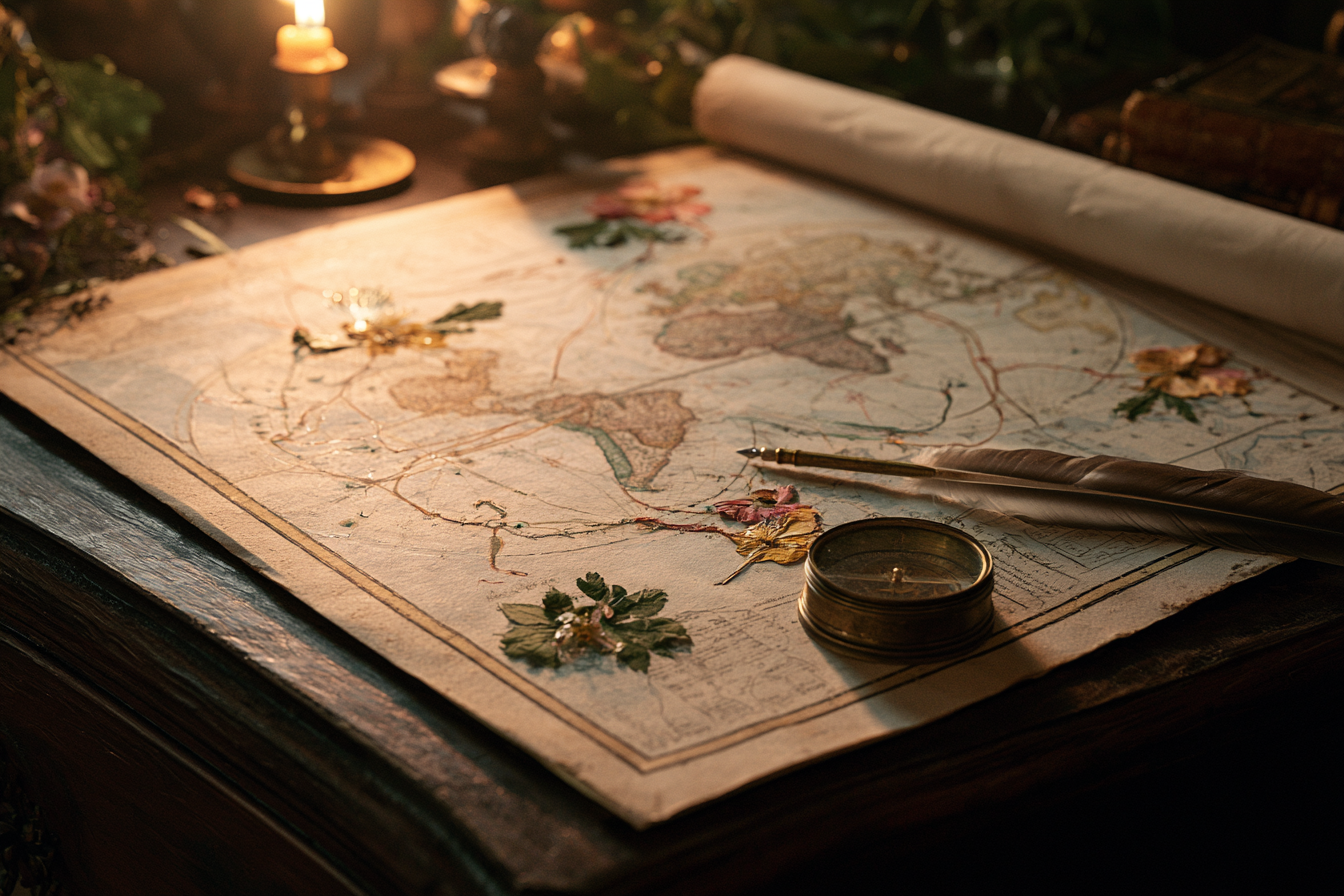
They left everything to find one flower.
Some of them never came back.
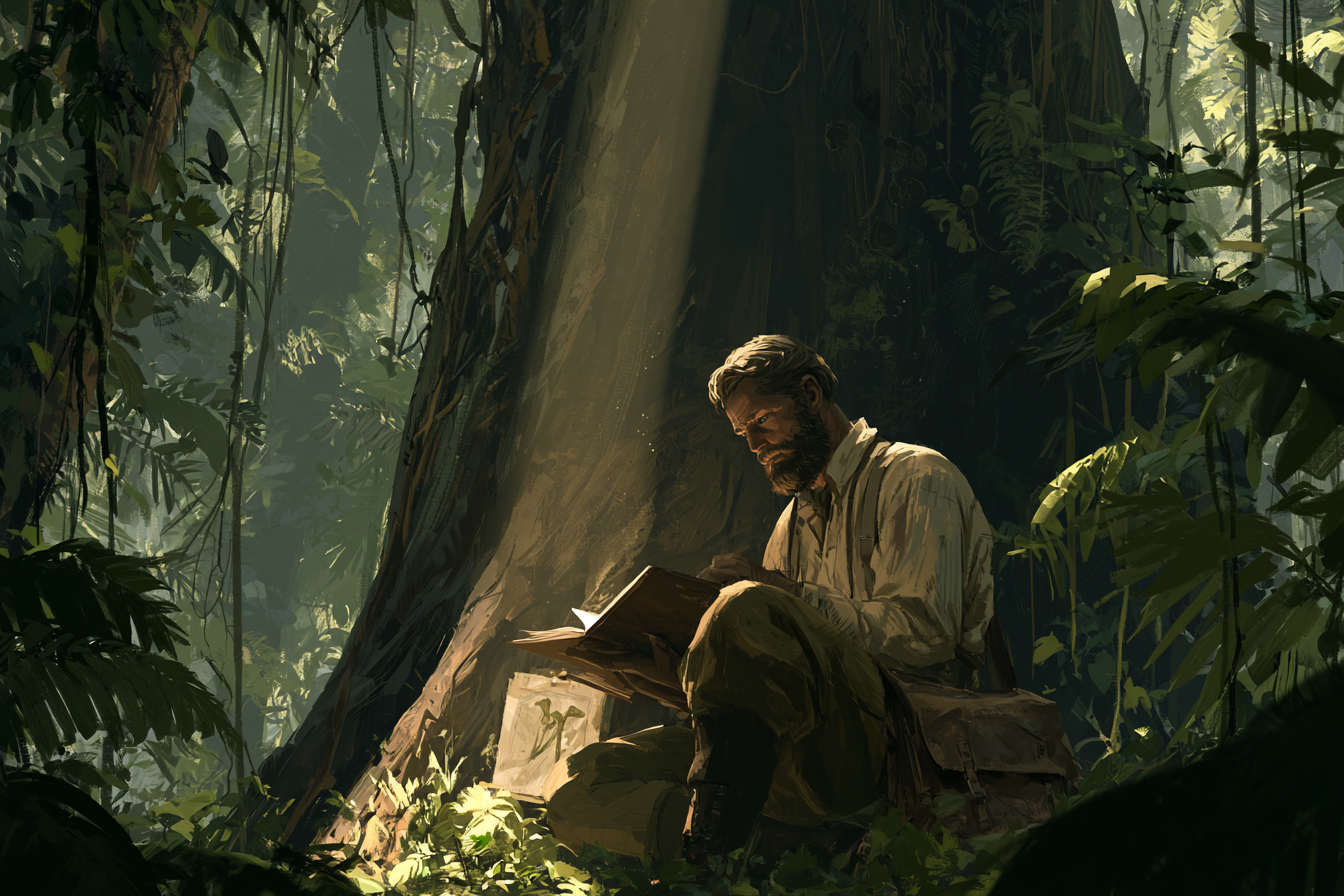
For two centuries, a particular kind of person packed a collecting press and disappeared into mountains, jungles, and river systems that no European had mapped. They were called plant hunters. What drove them was not quite science and not quite commerce — it was something closer to obsession. The world was full of plants that no one in England or France had seen, and they were going to find them.
Joseph Banks sailed with Cook on the Endeavour and returned with 30,000 specimens. David Douglas crossed the Rocky Mountains repeatedly, sending back seeds that would transform the forests of Britain. George Forrest made seven expeditions into Yunnan, collected over 30,000 specimens, and died in the field at sixty. Frank Kingdon-Ward spent forty years in Burma, Tibet, and Assam, still collecting at seventy-two.
The plants they sent home — the rhododendrons, the primulas, the tree peonies, the Himalayan blue poppies — remade European gardens. Most of what we grow as "traditional" English garden plants arrived on ships in the eighteenth and nineteenth centuries, pressed, dried, packaged in wax, or sealed into glass.
The Invention That Changed Everything
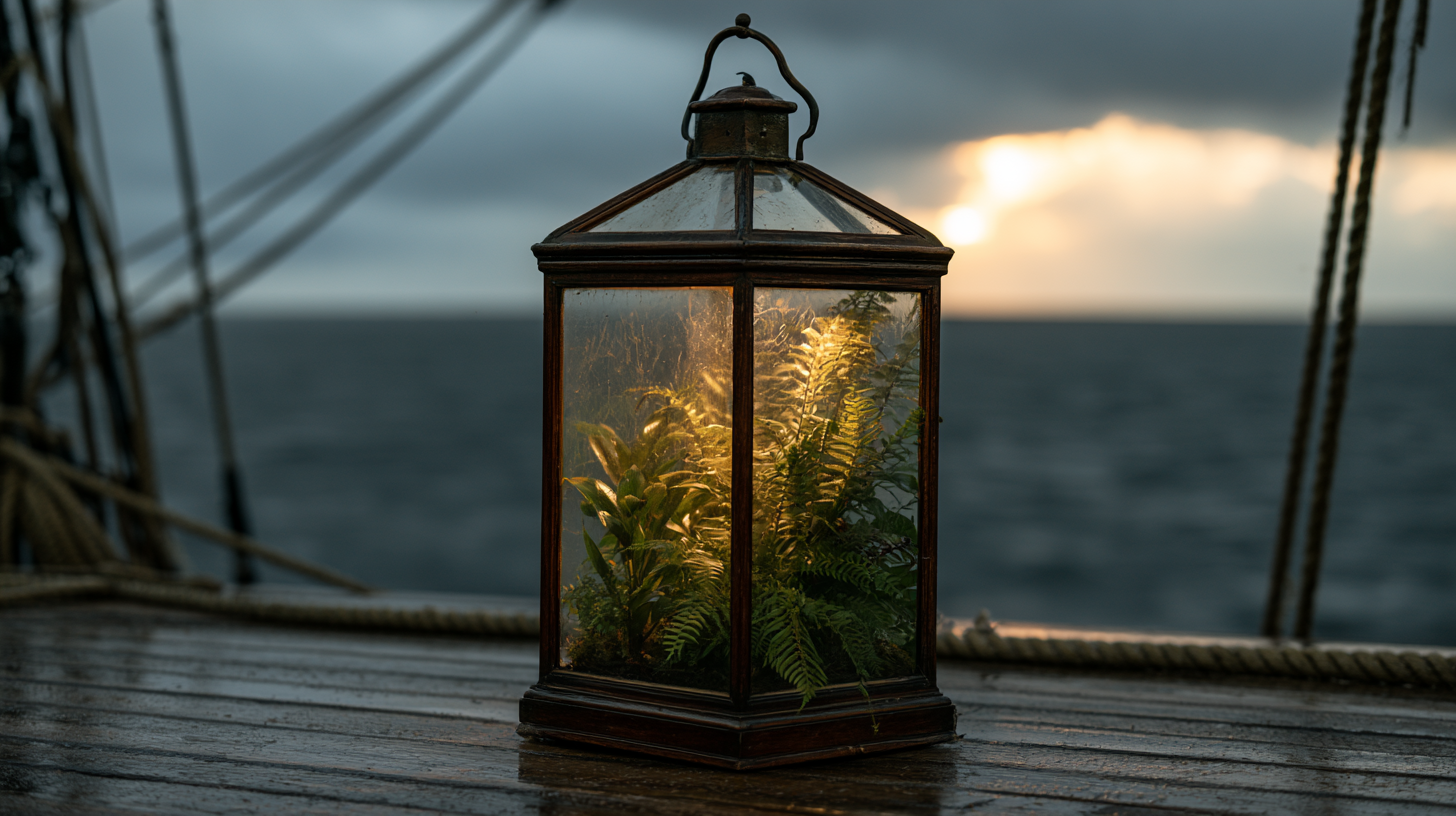
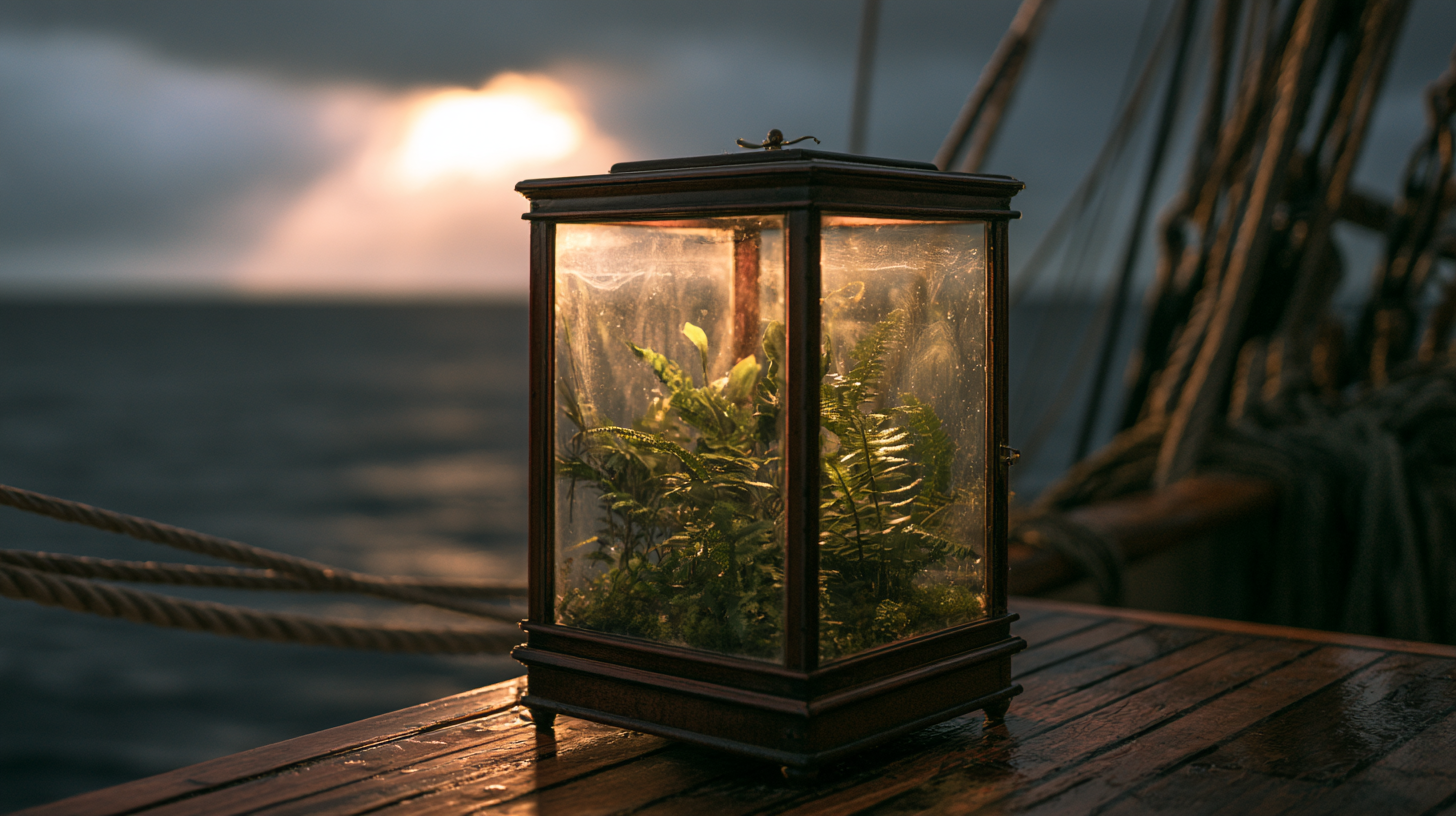
Before 1829, almost every plant sent by ship died in transit. Salt air, changing temperatures, the absence of fresh water — the survival rate was ruinous. A London physician named Nathaniel Bagshaw Ward, trying to hatch a sphinx moth chrysalis in a sealed jar, noticed that fern spores had germinated in the condensation. The jar had created its own weather.
The sealed glass case Ward designed became the technology that made the plant trade possible. Wardian cases — essentially miniature greenhouses — could keep plants alive for months at sea. The rubber tree traveled from Brazil to Kew in one. Tea seedlings moved from China to India in another. The economic consequences were staggering. The botanical ones were quietly enormous.
The Archive of Form
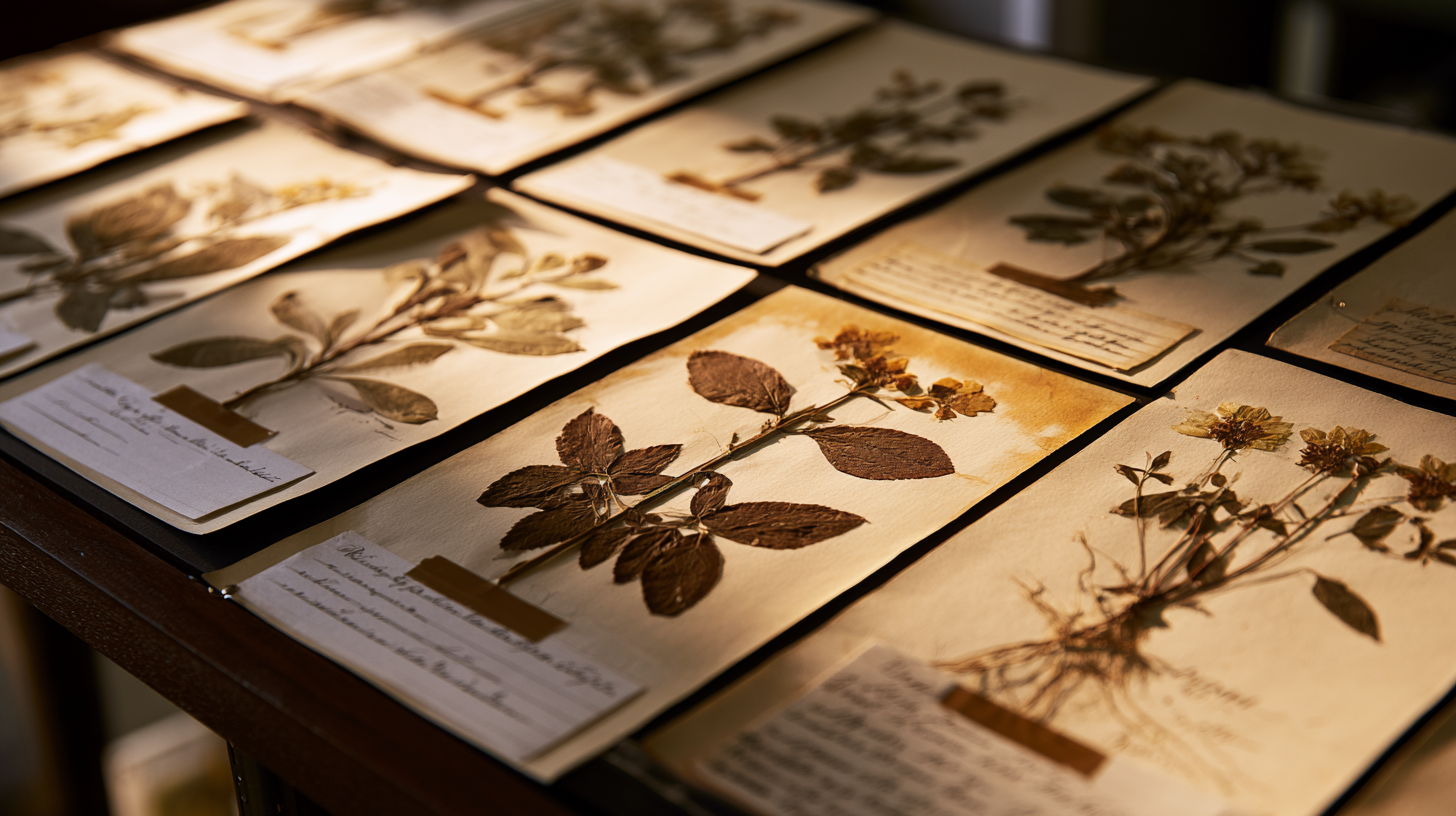
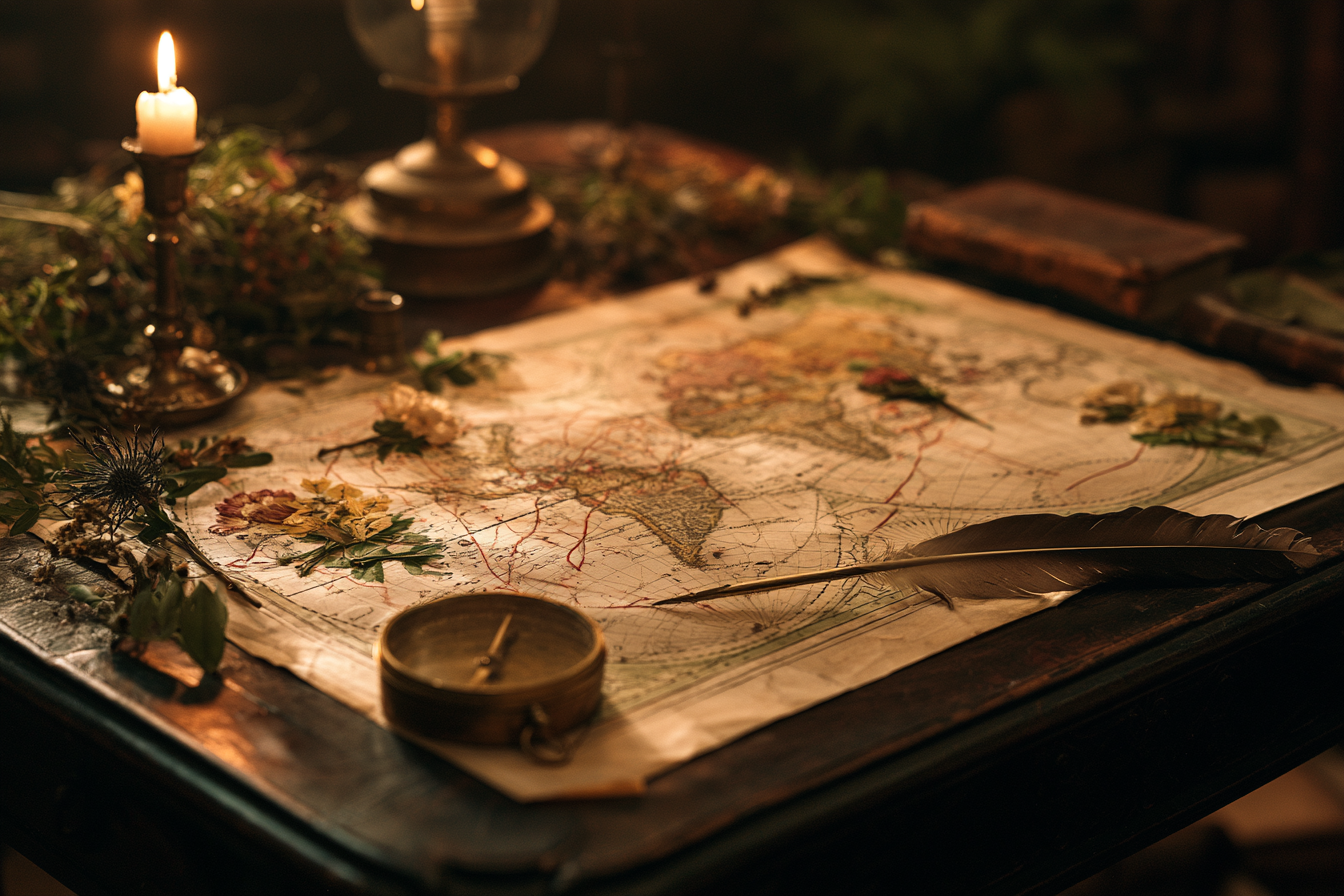
Every plant the hunters collected became a specimen: pressed, dried, labeled, mounted on archival paper. The great herbaria of the world — Kew, the Natural History Museum, the Paris Jardin des Plantes — hold tens of millions of these sheets. Some are four hundred years old. The plants on them are as identifiable today as the day they were pressed.
A herbarium sheet is a kind of time capsule. The label records where and when the plant was collected, by whom, in what conditions. The specimen itself records the plant's exact form at that exact moment — the angle of its leaves, the number of petals, the color before the pigment faded. Botanists still discover new species in herbarium collections, finding them among sheets pressed by collectors who didn't know what they had found.
Pressing a flower is one of the oldest forms of botanical science. When Luli presses a flower, she is doing the same thing Ward did, the same thing Forrest did — making a record of a living thing, at a living moment, that will outlast both.

The Center of the Botanical World
The Royal Botanic Gardens at Kew were founded in 1759. By the nineteenth century, they had become the operating center of an enormous botanical network — receiving specimens from collectors around the world, growing plants from seed, distributing economic plants to British colonies, and maintaining the largest herbarium on earth.
Today Kew holds 7 million herbarium specimens, 1.5 million seed samples in its Millennium Seed Bank, and living collections of over 50,000 species. It is, in the truest sense, the world's plant library. The glasshouses alone — the Palm House, the Temperate House, the Princess of Wales Conservatory — are among the most extraordinary built spaces anywhere.
Recommended Reading — Add to your library
The Plant Hunters
The definitive popular history of the great botanical collectors — their expeditions, their rivals, their discoveries, and the plants they sent home that changed the world. Beautifully illustrated and impossible to put down.
Find on Amazon →The Brother Gardeners
The story of how a group of eighteenth-century plant obsessives — American, British, Swedish — transformed the English garden by bringing in plants from across the globe. Wulf is one of the best writers working in botanical history.
Find on Amazon →The Signature of All Things
A novel, but one of the best books ever written about botanical obsession. Its heroine, Alma Whittaker, is the daughter of a Philadelphia plant trader and becomes a world authority on moss. The research is meticulous; the feeling is true.
Find on Amazon →The Frozen-Water Trade
Not strictly botanical — but the story of how ice was harvested, shipped, and sold across the world in the nineteenth century illuminates the same obsessive ingenuity that drove the plant trade. The Ward of his era. Worth reading alongside the botanical histories.
Find on Amazon →