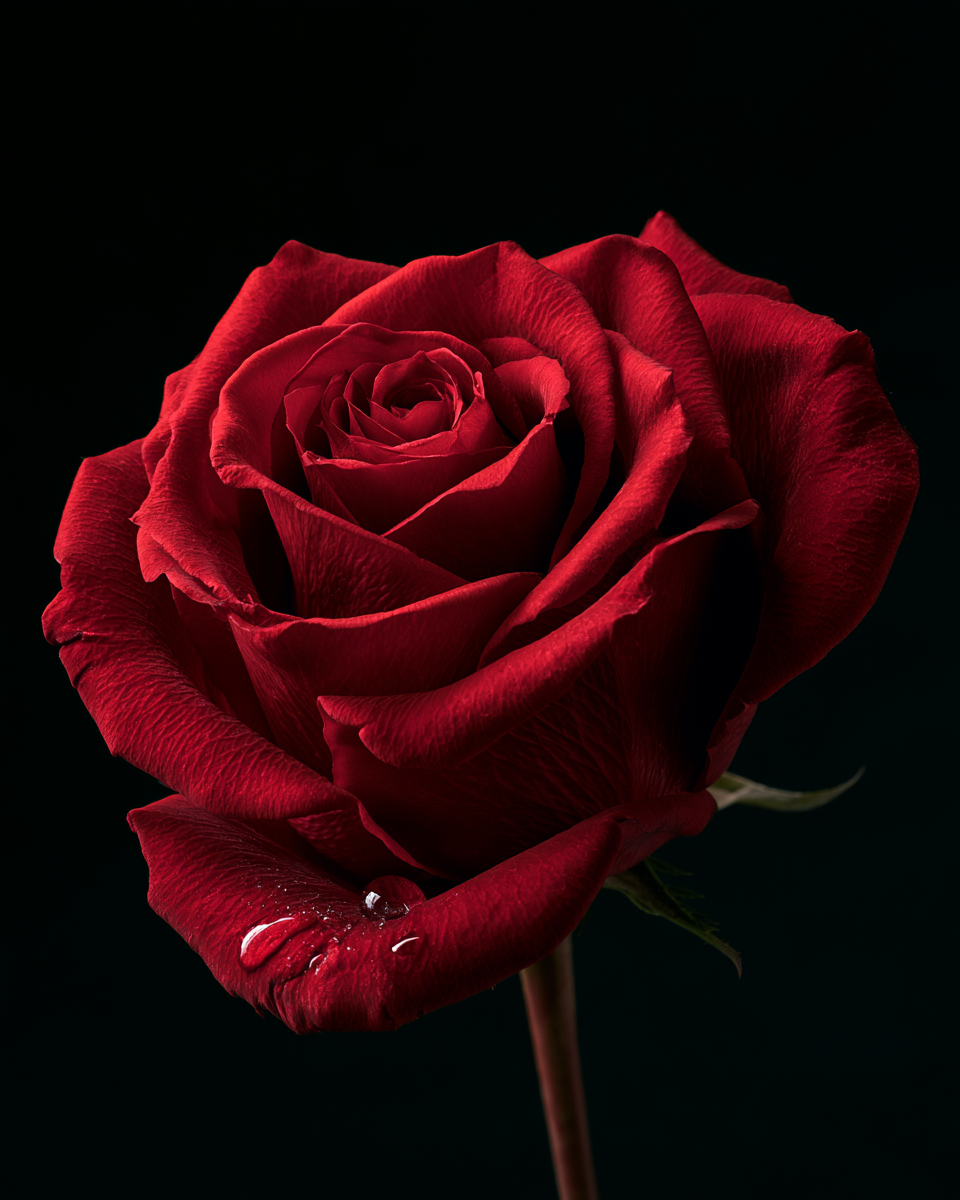
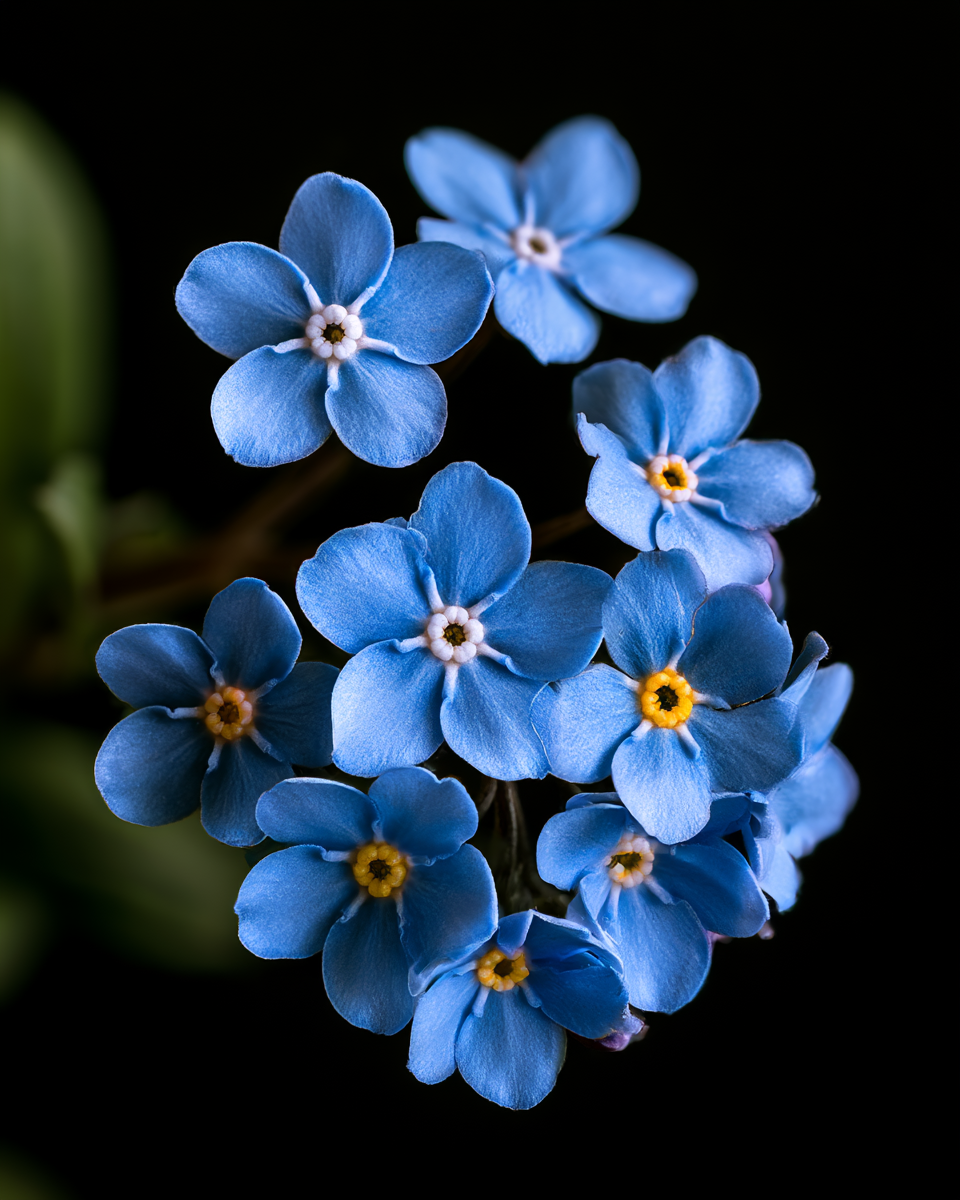
In the nineteenth century, a woman could say with flowers what she could never say aloud. A red rose meant love declared. A yellow rose meant love declined. A pansy meant you were in her thoughts. A forget-me-not was a plea not to be forgotten. This was not metaphor. This was a working code, shared across parlors and garden paths and gloved hands passing tussie-mussies at afternoon calls.
The Victorians did not invent the language of flowers — Persian poets had been reading blooms for centuries, and Turkish harems had their own elaborate floral vocabularies — but they systematized it, published it, argued over it, and carried it into every corner of polite life. Floriography was the name they gave it: the grammar of the garden made social instrument.
"Say it with flowers" was not a florist's slogan. It was a survival strategy for anyone who needed to speak the unspeakable in a world that watched every word.On Victorian Floriography
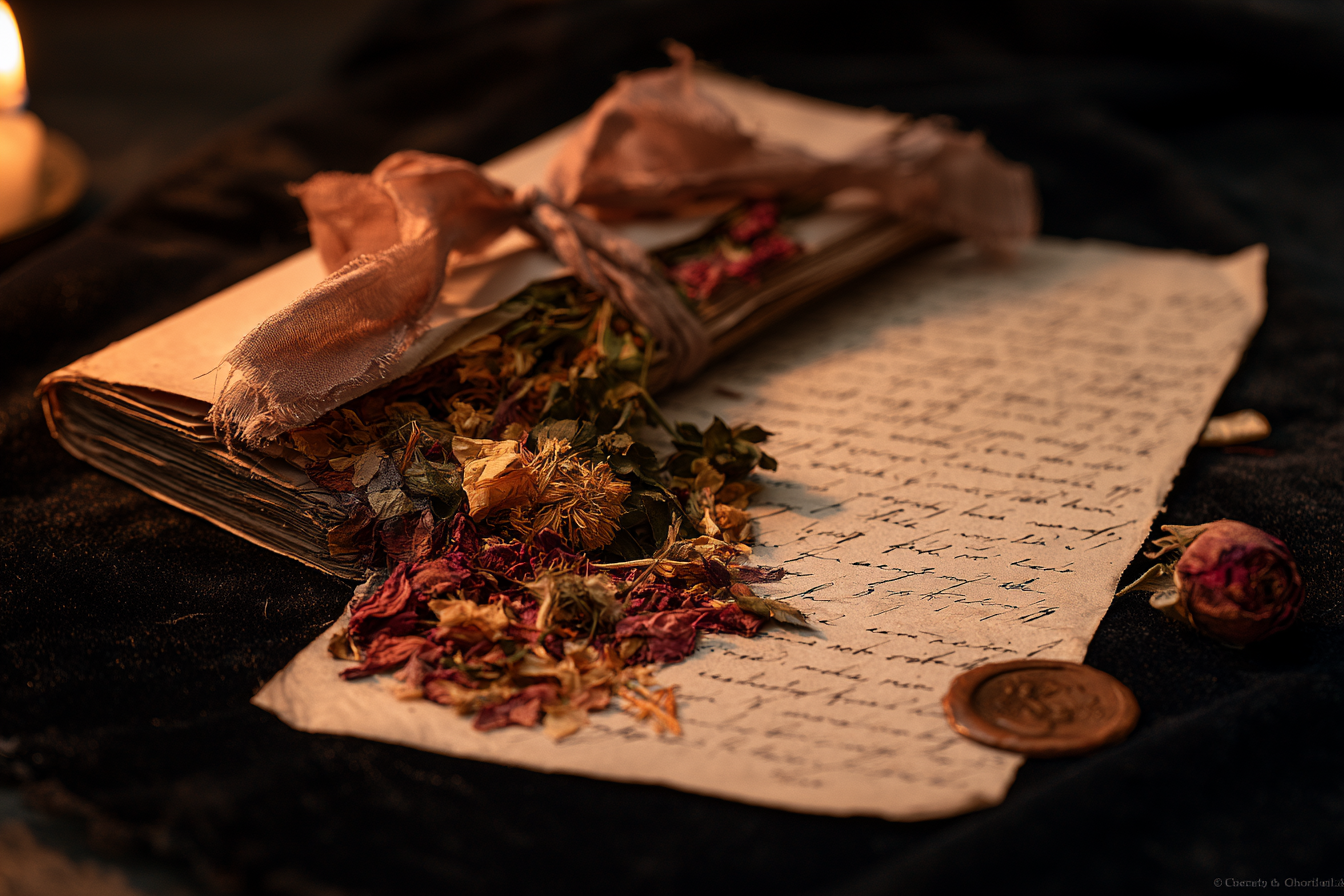 A letter that says more than its words
The Dictionary of Petals
The first major English floriography dictionary appeared in 1819 — Le Language des Fleurs by Charlotte de la Tour — and it sparked decades of competing editions, each with slightly different meanings for the same flower. The rose might mean love in one volume and discretion in another. The snowdrop: hope, or consolation, depending on which dictionary you trusted.
This ambiguity was not a flaw. It was part of the pleasure. Floriography required that both the sender and receiver share the same key — which meant sharing a book, sharing a conversation, sharing an understanding. The flowers were a pretext for intimacy.
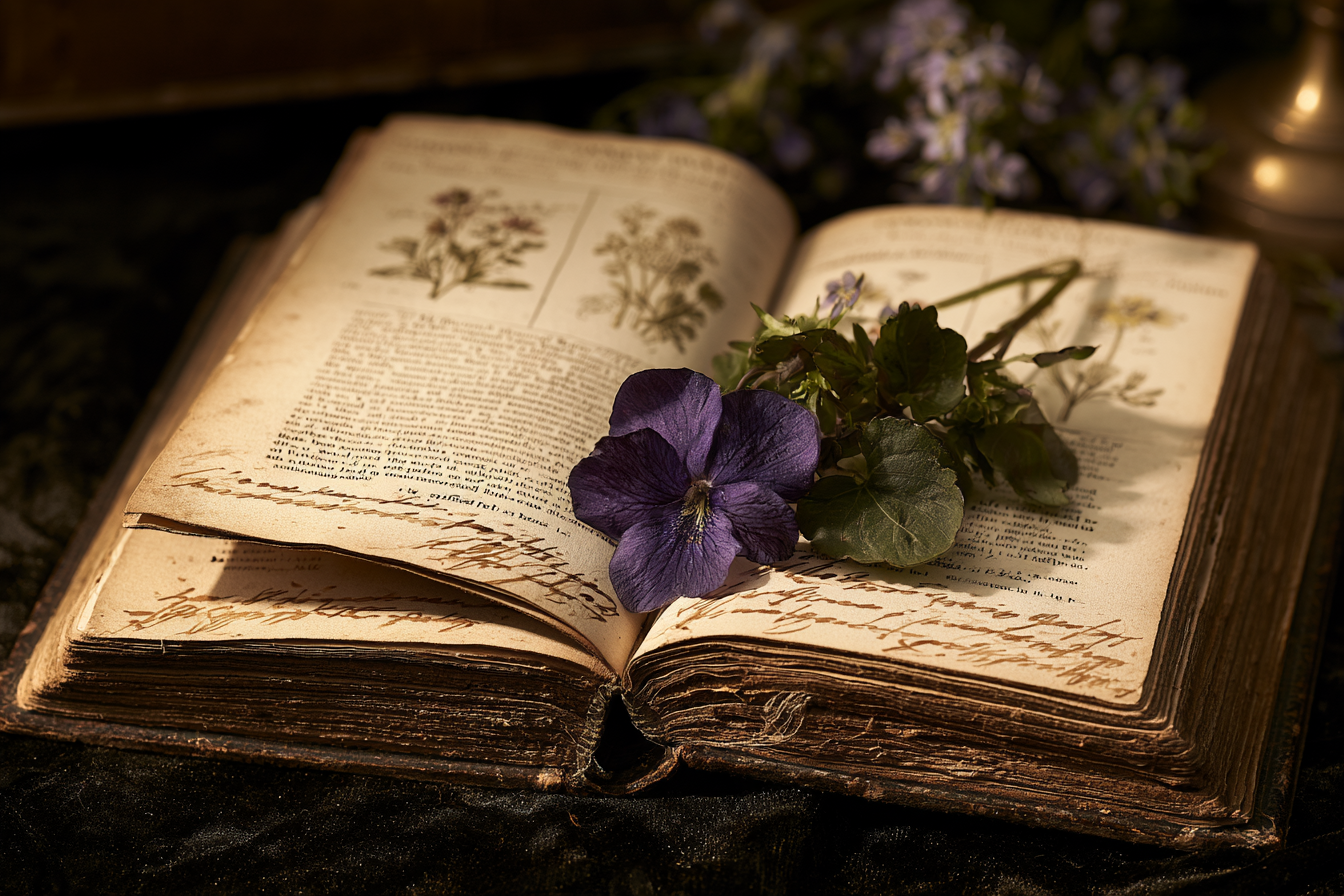
More than thirty competing dictionaries circulated in Victorian England alone. Charlotte de la Tour's original French edition. Thomas Miller's The Poetical Language of Flowers. Frederic Shoberl's translations. Each claimed authority. None agreed on everything.
What they agreed on was the project itself: that the flower world could be mapped, indexed, cross-referenced. That there was a system underneath the beauty, and that knowing it gave you power — the power to say exactly what you meant to exactly one person, in a room full of people who heard nothing at all.
The Tussie-Mussie
The most intimate form of floral communication was the tussie-mussie: a small, tight bouquet held in a silver or ivory cone, carried in gloved hands, presented in silence. Every flower chosen with intent. The outer ring might signal friendship; the center, the true message; the leaves tucked between stems, the emotional key.
Reading a tussie-mussie correctly was a skill. Presenting one was a declaration of serious feeling. To receive one was to be seen — truly, privately, specifically seen — in a world that rarely permitted such directness.
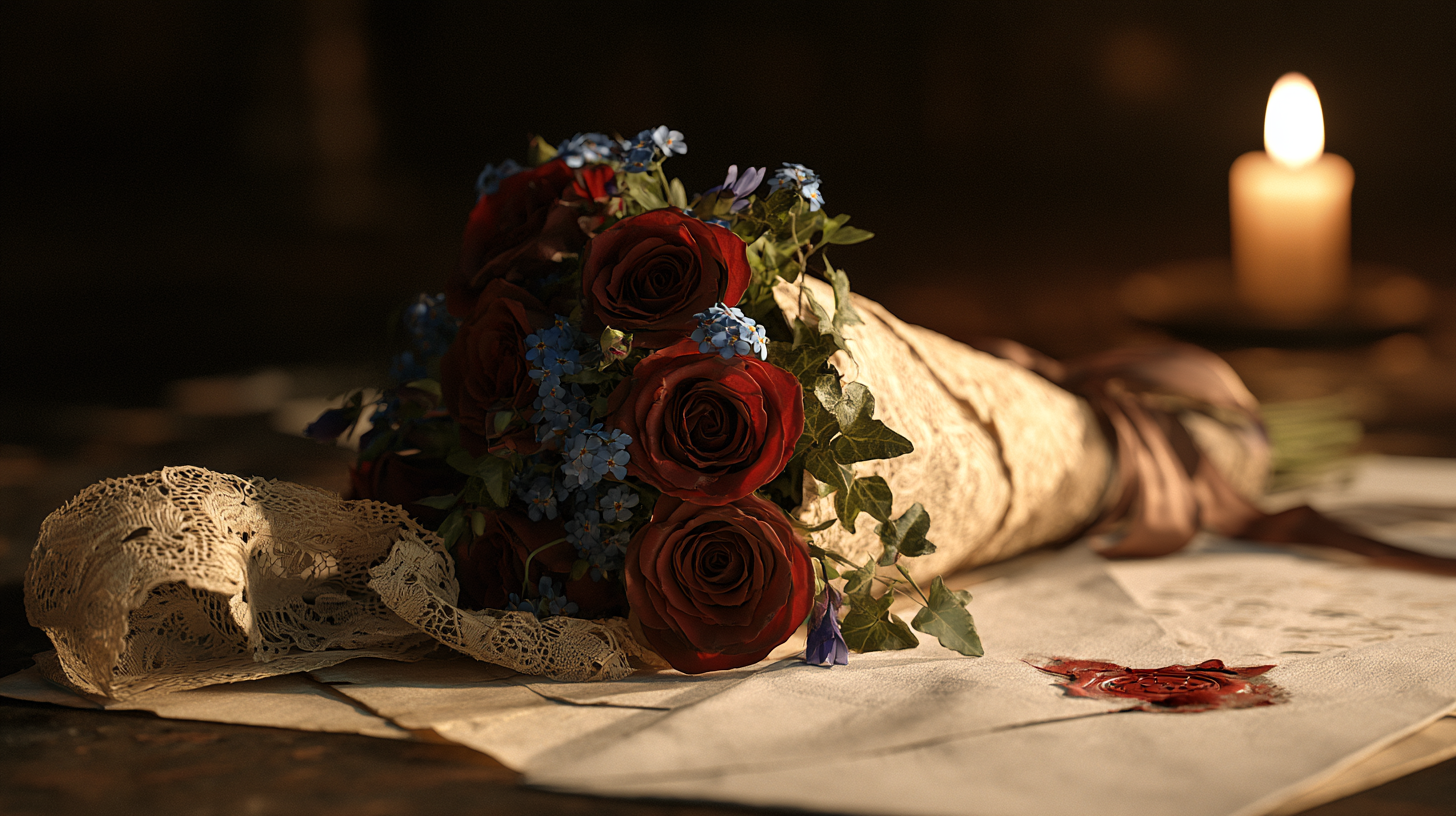
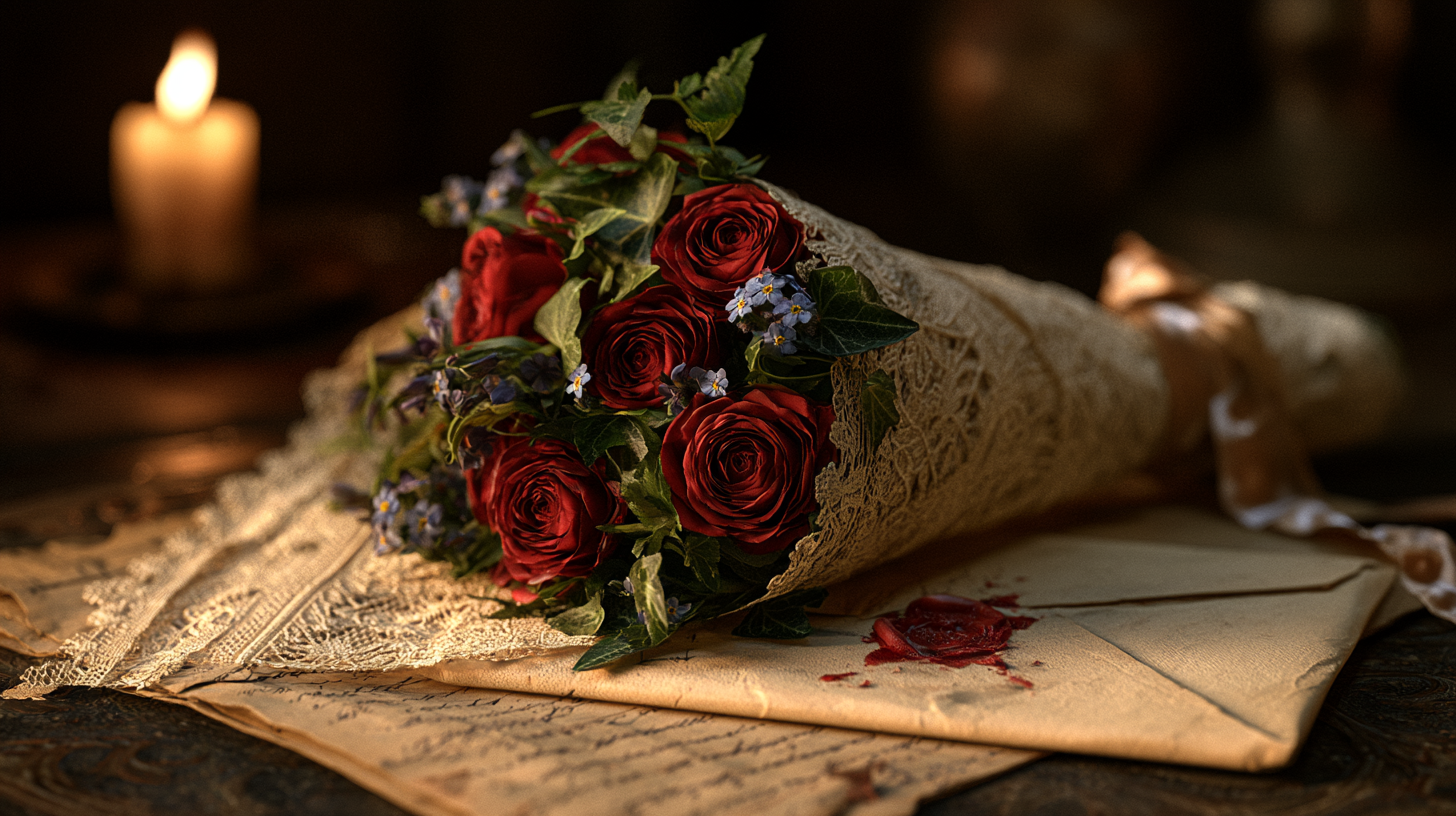
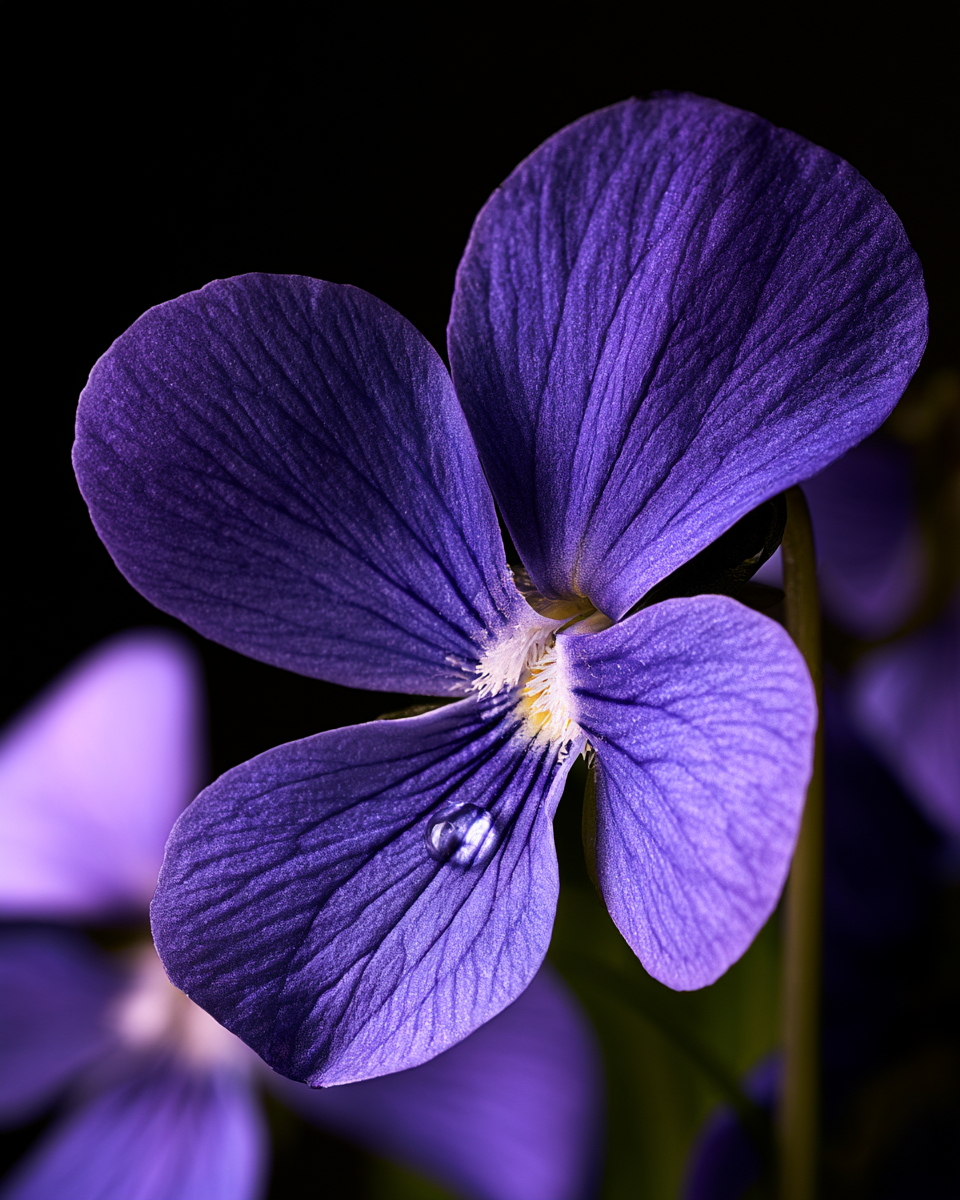
A partial dictionary — what the flowers said
Why It Still Matters
Floriography fell out of fashion with the turn of the century. The elaborate social codes of the Victorian era relaxed; women gained other languages; the tussie-mussie gave way to the telephone and eventually to the text message. Flowers became decoration again, not communication.
But something was lost in that translation. The Victorian understanding of flowers as carriers of specific meaning — as a vocabulary with grammar and nuance — pointed at something true. Flowers are not neutral. The red rose has not forgotten what it means. The forget-me-not still asks the same question it always asked. We have simply stopped listening carefully enough to hear the answer.
Luli listens. Every piece in the Floral Alchemy collection carries this inheritance — not as Victorian revival, but as acknowledgment that flowers speak, that choosing which ones to place beside which others is a kind of language, and that the person who receives the work receives the sentence, whether they know it or not.
The flower chose you, too. There is a reason it is the one that called to you across the room.Luli
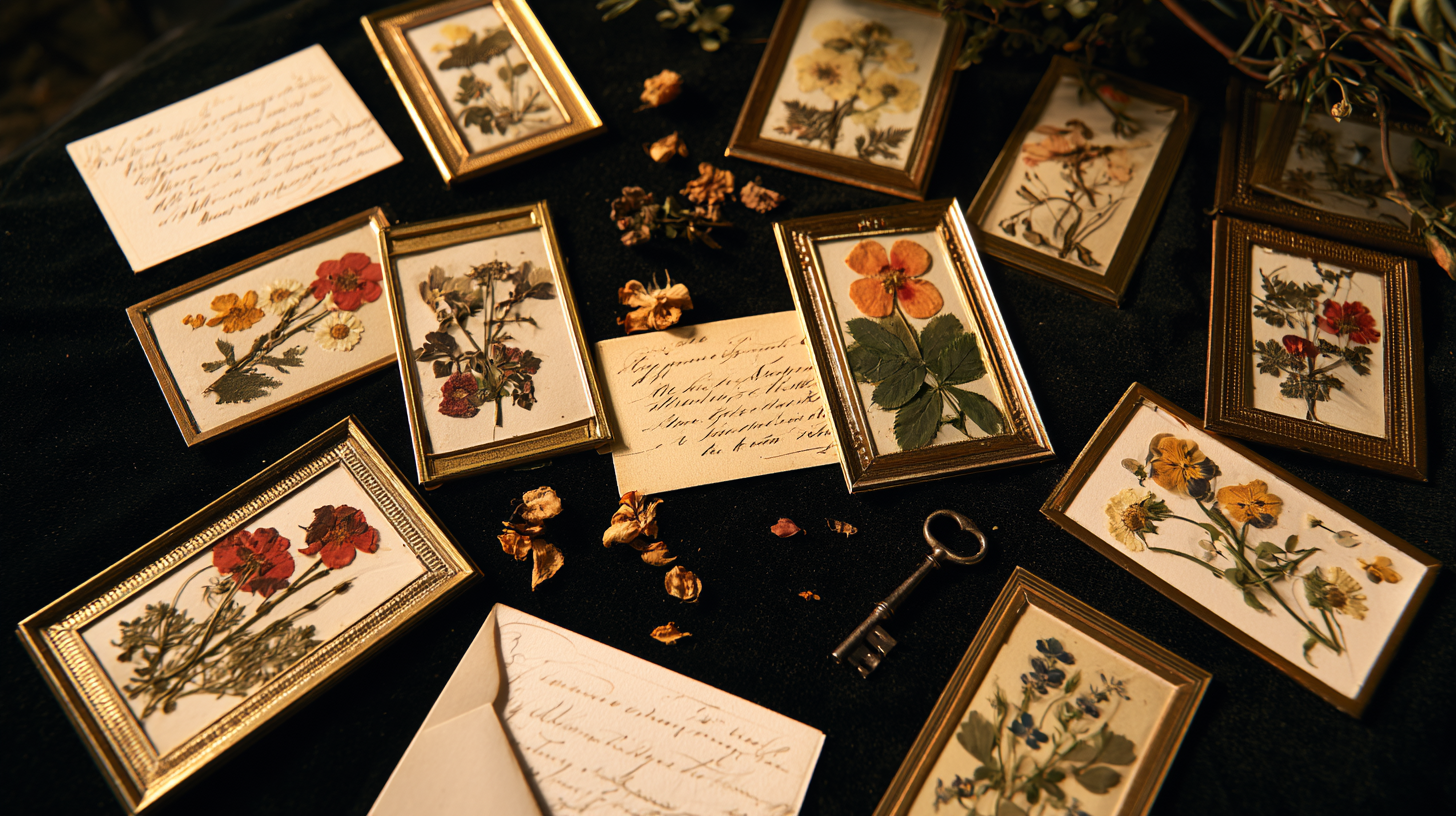 Calling cards and floral tokens, a Victorian practice
For your library — further reading
The Language of Flowers
A novel built entirely around Victorian floriography — a woman who communicates only through the flowers she arranges. The best introduction to the emotional logic of the language, disguised as fiction.
Find on Amazon →Flora's Dictionary: The Victorian Language of Flowers
The most usable modern floriography dictionary, drawn from original Victorian sources. Organized beautifully, accurate to the era, and a pleasure to simply browse.
Find on Amazon →The Meaning of Flowers
Myth, legend, and custom behind the most familiar flowers. Less strictly Victorian, more broadly cultural — what roses and violets and lilies have meant across centuries and civilizations.
Find on Amazon →Tussie-Mussies: The Victorian Art of Expressing Yourself in Flowers
The definitive book on the tussie-mussie itself — its history, its construction, what every flower in the bouquet was saying. Includes instructions for making your own.
Find on Amazon →