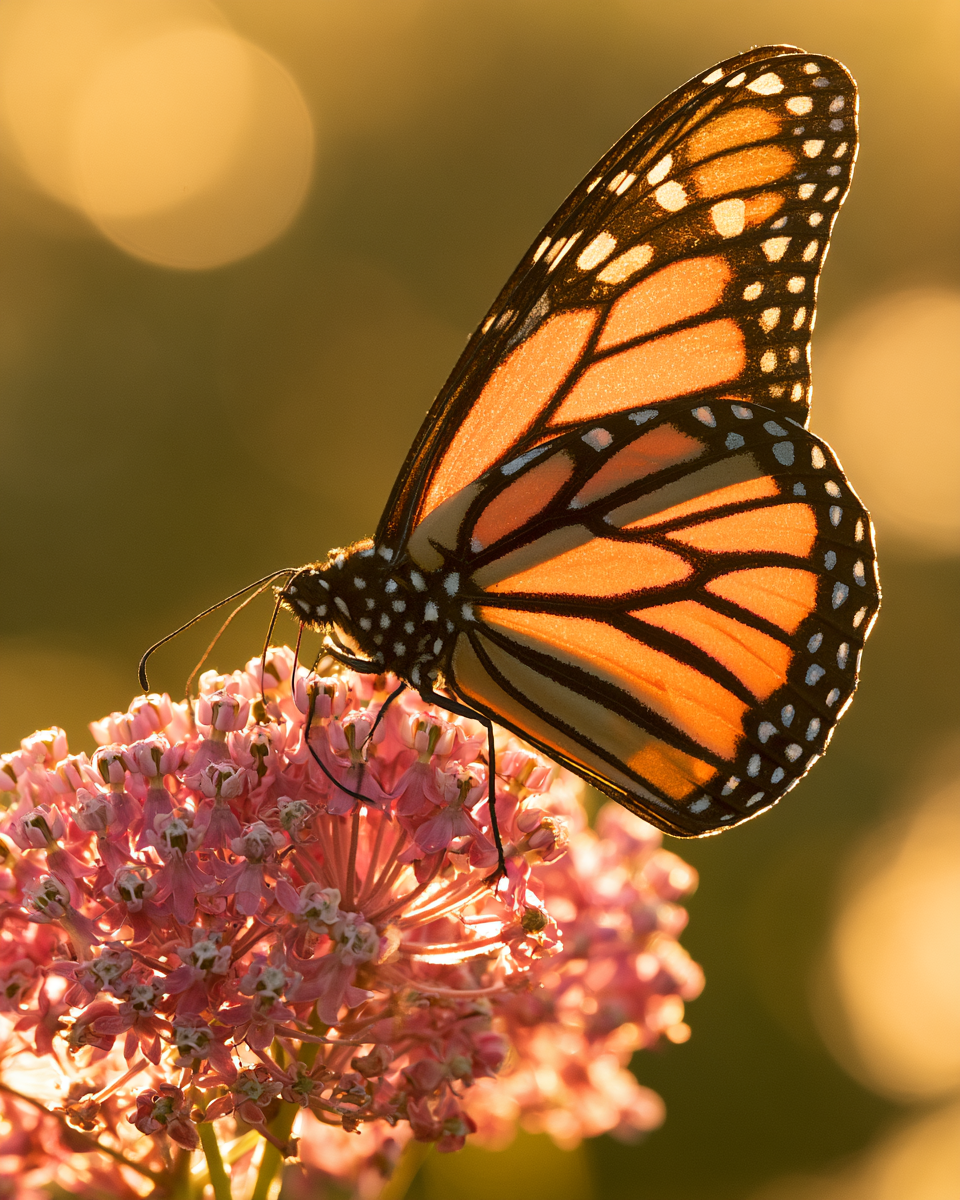
They asked no one's permission.
They simply grew.
Before there were gardens, there were wildflowers. Before there were flower farmers, there were meadows. The distinction we draw now between "cultivated" and "wild" is a recent invention — for most of human history, the flowers people lived with were the ones that grew without help, without irrigation, without anything except the particular soil and light and rain of a particular place.
A wildflower is not merely an uncultivated flower. It is a flower that belongs to its landscape — that co-evolved with the insects, the birds, the fungi, the soil microbiome of a specific ecosystem. A dandelion is not a weed. It is the first food source for bees emerging in spring. A trillium is not a volunteer. It is a woodland covenant: shade-tolerant, slow-growing, dependent on specific mycorrhizal relationships that take decades to establish.
When we press a wildflower, we press something that has a context, a community, a set of relationships that extends far beyond the single stem in our hand. The pressing captures the form. The story behind it is what makes it matter.
The Return
In the twentieth century, industrialized agriculture eliminated an estimated 97% of wildflower meadows in Britain alone. In the United States, native prairies that once stretched from Ohio to the Rockies were reduced to fragments. The insects followed the flowers down. The birds followed the insects. The silence that descended on the countryside was not natural — it was manufactured, one herbicide application at a time.
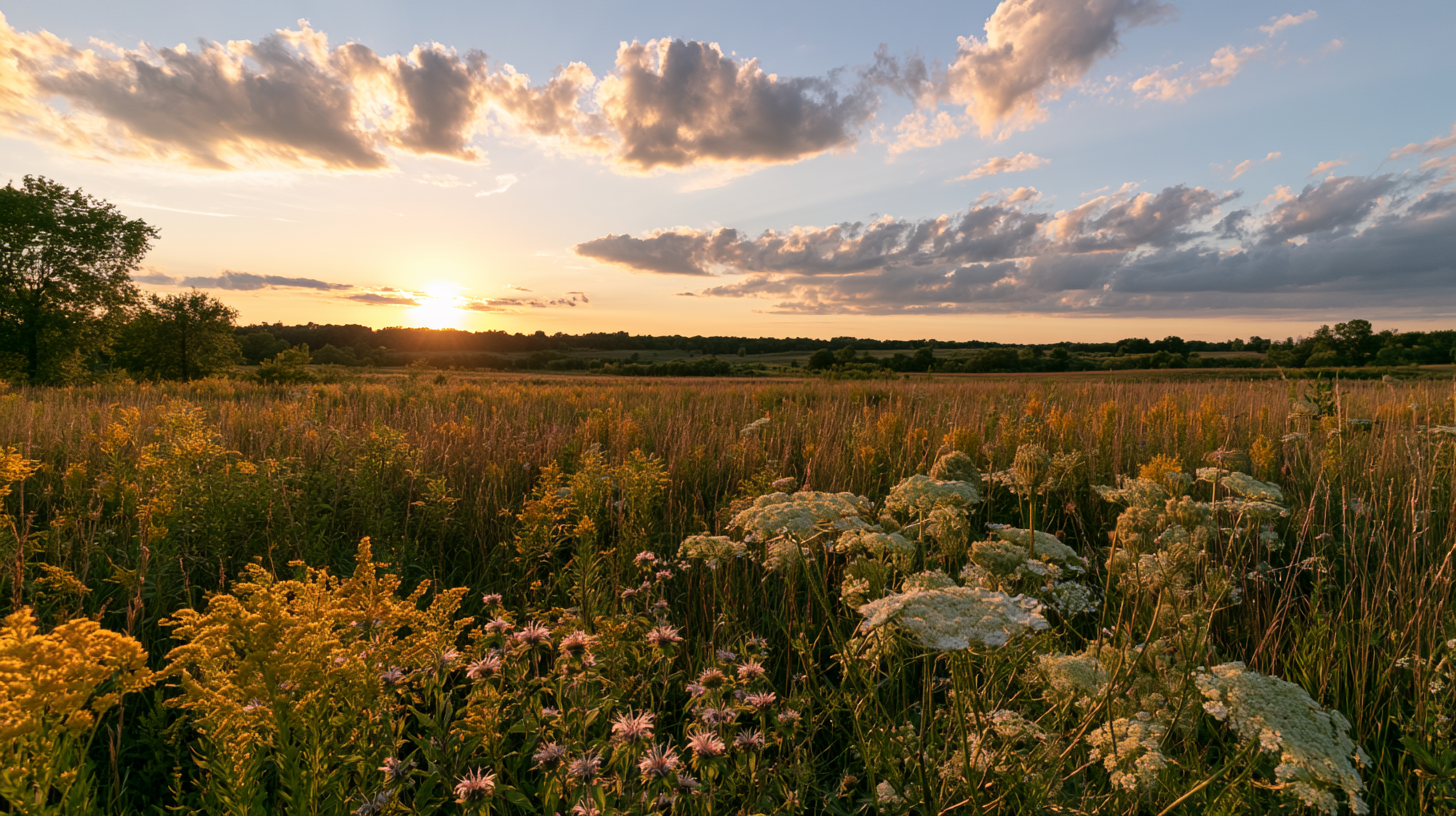
Rewilding is the project of undoing this. Not by planting — though planting can help — but primarily by stopping. Stopping mowing. Stopping spraying. Stopping the relentless human insistence on tidiness. When the pressure lifts, wildflowers return with astonishing speed. A meadow that has been dormant for decades can bloom within two seasons once the soil is left alone.
Isabella Tree's Knepp Estate in West Sussex is the most famous example in Britain — a former conventional farm that was allowed to rewild, and within twenty years had become home to rare turtle doves, purple emperor butterflies, and populations of plants that hadn't been seen in the area for a generation. The lesson is not complicated: nature does not need our help. It needs us to get out of the way.
97%
of UK wildflower meadows lost since the 1930s
70%
decline in flying insects in Germany over 27 years
2
seasons for wildflowers to return once mowing stops
4,000+
bee species native to North America
A Covenant with the Woods
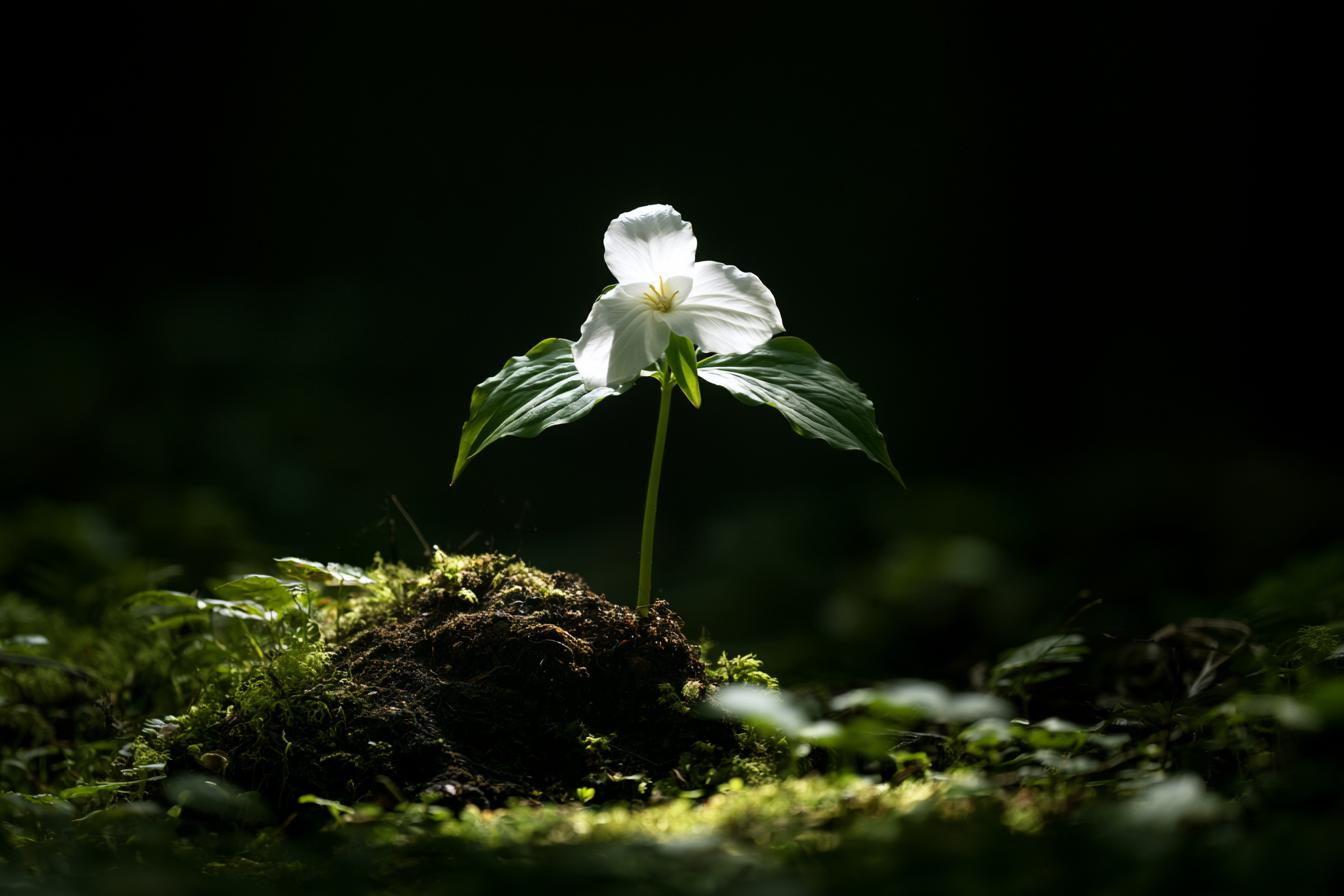
Of all the wildflowers, trillium may be the one that most clearly illustrates what it means for a plant to belong to a place. Trilliums grow only in undisturbed woodland. They take seven years to produce their first flower. They depend on ants to disperse their seeds — the seeds have a fat-rich appendage called an elaiosome that ants carry to their nests, then discard, effectively planting the seed.
A trillium is a signature. Where it grows, the forest has been undisturbed long enough for the relationship between the plant, the fungi, and the ants to fully develop. Pick a trillium and you may prevent that plant from flowering again for years. Walk past one and you have found a piece of old growth, however modest.
The Most Useful Weed
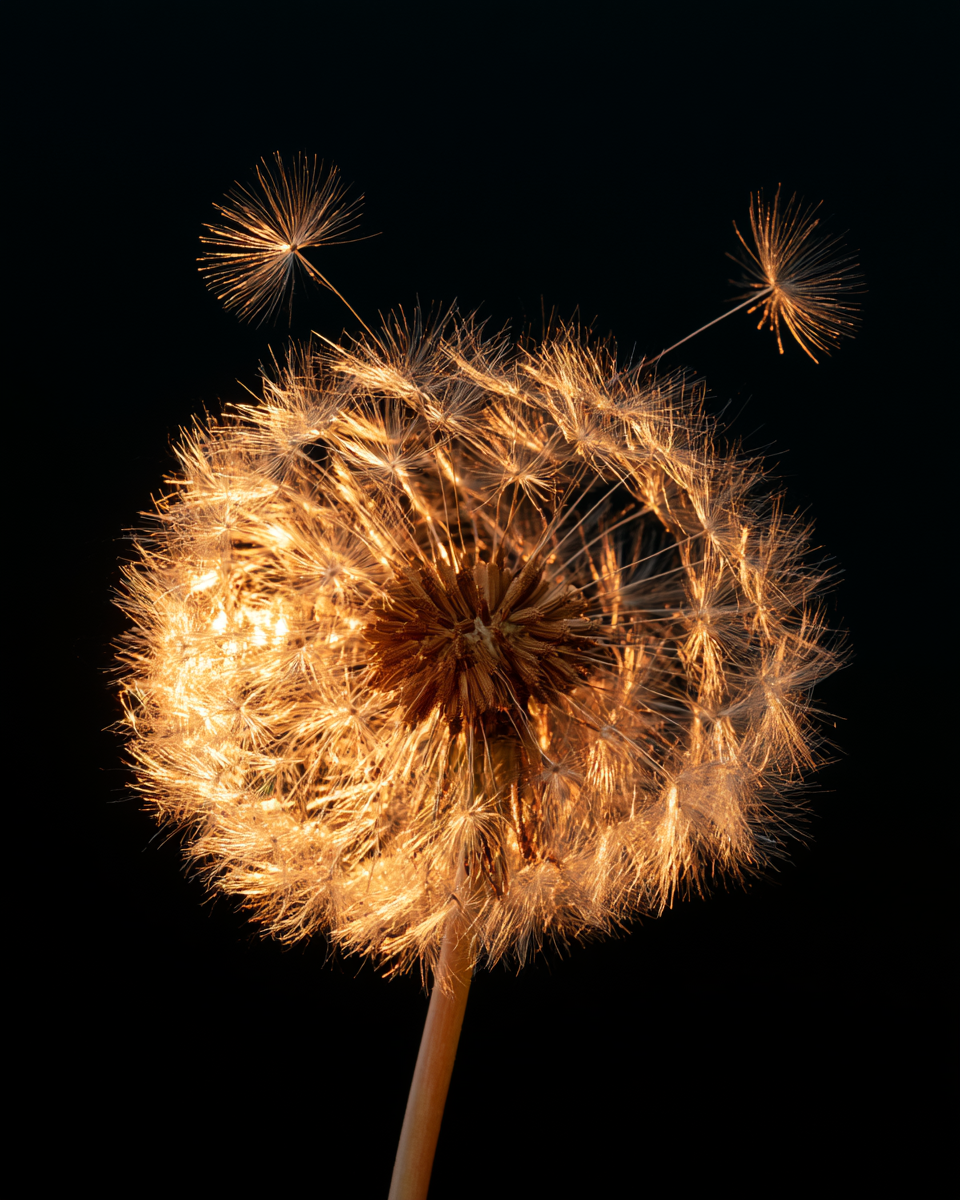
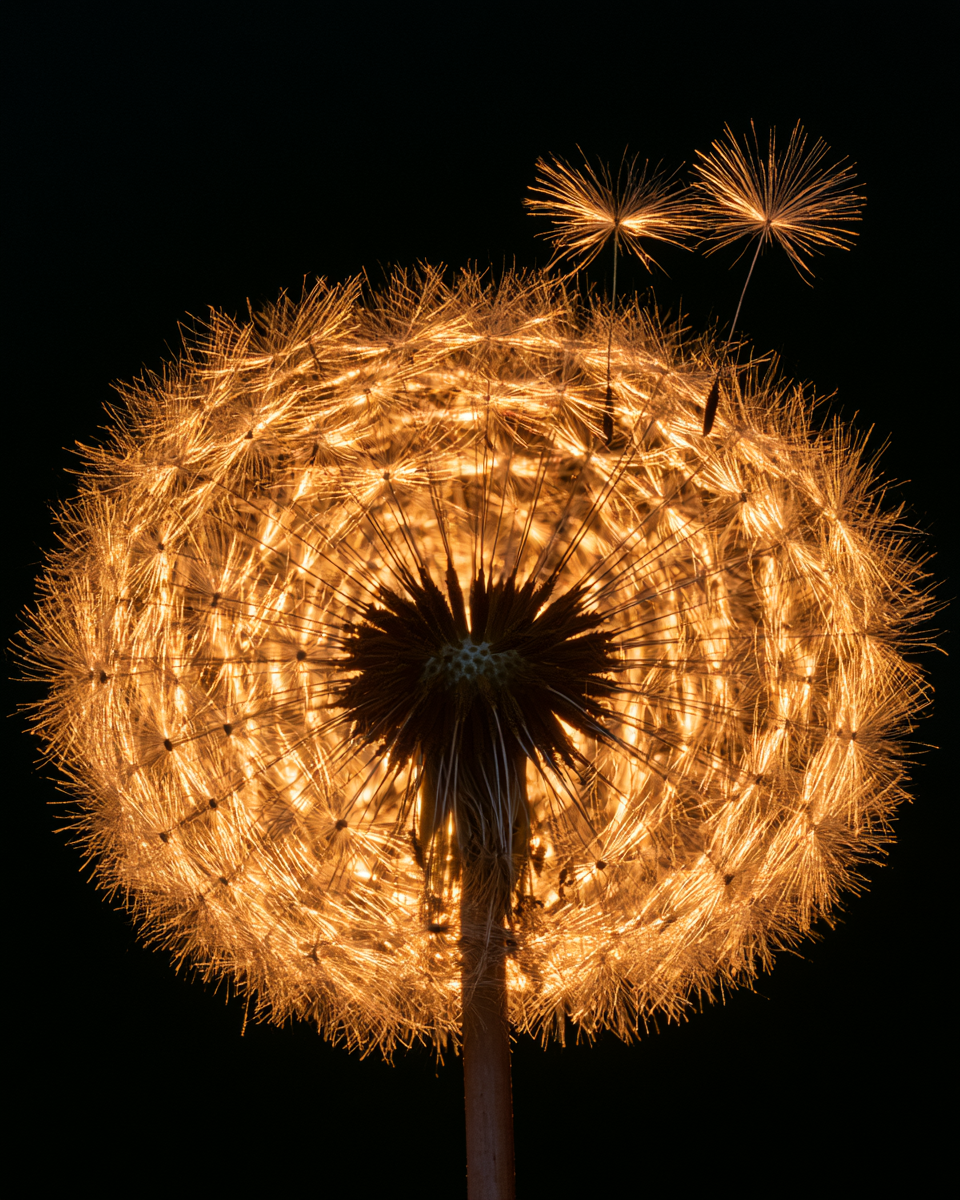
The dandelion has been so thoroughly maligned by lawn culture that it requires some effort to see it clearly. It is, in fact, a marvel. Every part is edible — leaves, flowers, roots. The roots fix nitrogen. The deep taproot breaks up compacted soil and brings minerals to the surface. It blooms from earliest spring to late autumn, offering nectar when almost nothing else does.
In medieval Europe, dandelion root was a serious medicine — a diuretic, a liver tonic, a treatment for skin disease. The French still call it pissenlit in the vernacular, and eat the young leaves in salads. Our war on the dandelion is barely a century old, born entirely from the invention of the monoculture lawn and the chemical industry that serves it. Before that, a yard full of dandelions was a yard full of food and medicine.
Recommended Reading — Add to your library
Wilding
The story of the Knepp Estate rewilding project — how a conventional farm was allowed to return to nature, and what happened next. Essential reading for anyone who wants to understand what landscape recovery actually looks like. One of the most hopeful books of the last decade.
Find on Amazon →The Cabaret of Plants
A meditation on the strangeness and wonder of plant life by Britain's greatest nature writer. Mabey moves from the jungle orchid to the suburban dandelion with equal curiosity and equal prose. The chapter on weeds alone is worth the price.
Find on Amazon →Entangled Life
Not about wildflowers specifically, but about the fungal networks that make wildflower ecosystems possible. Sheldrake's book on mycorrhizal relationships will permanently change how you look at any patch of earth.
Find on Amazon →The Meadow
A quiet masterpiece of rural observation. Bell wrote about English fields in the 1930s with a precision and tenderness that makes every meadow plant vivid. A book to read slowly, in a garden, in summer.
Find on Amazon →