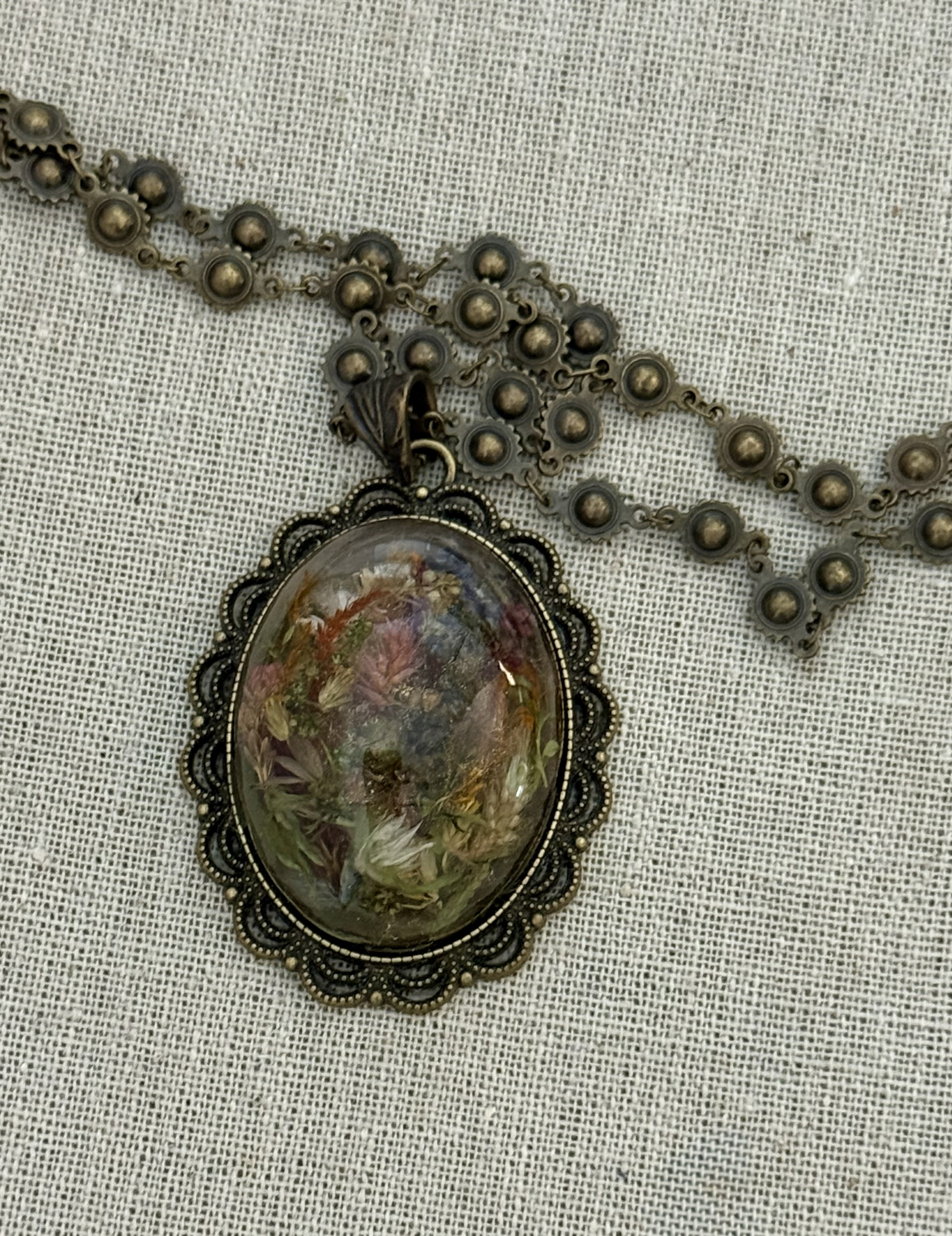
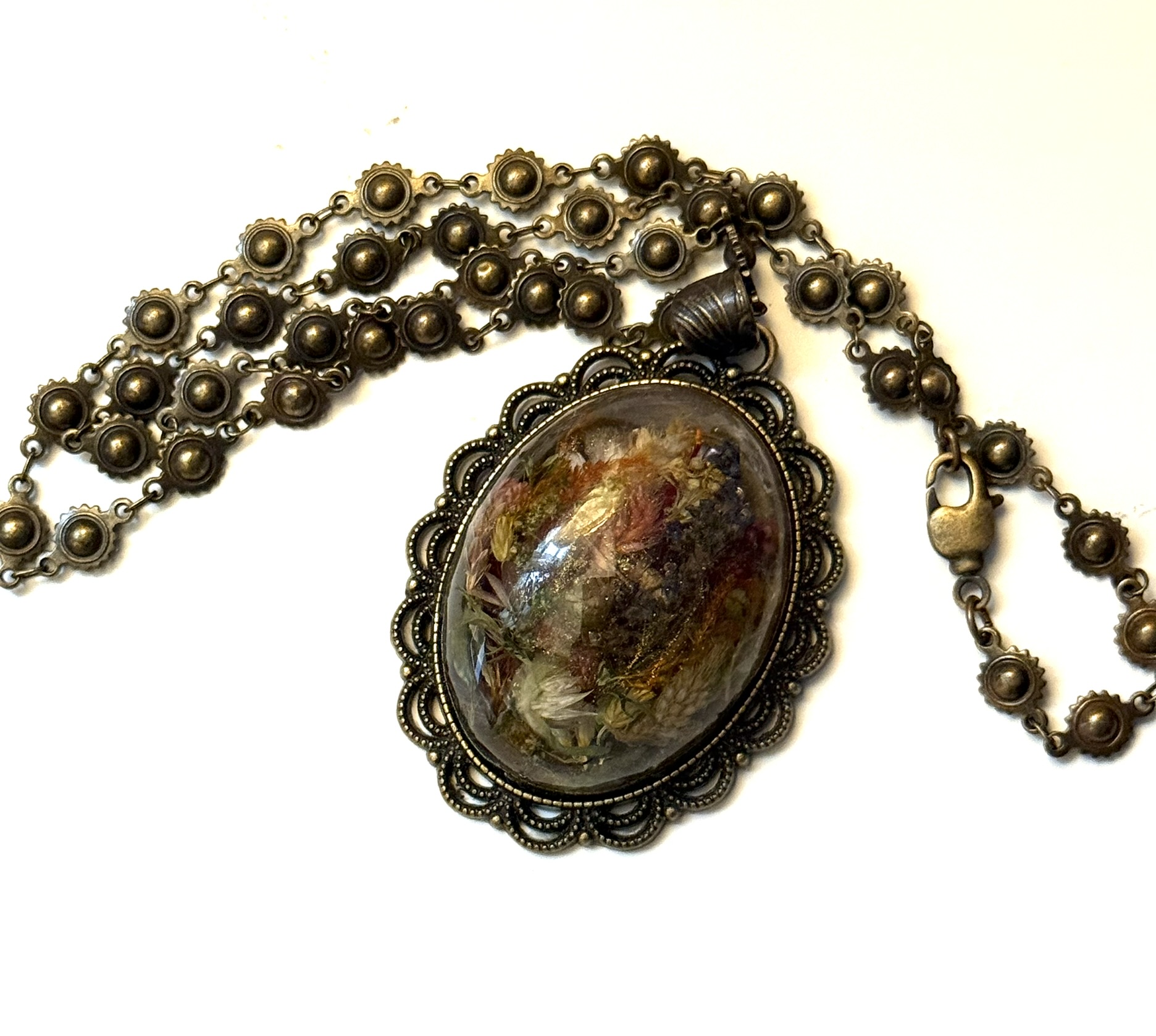
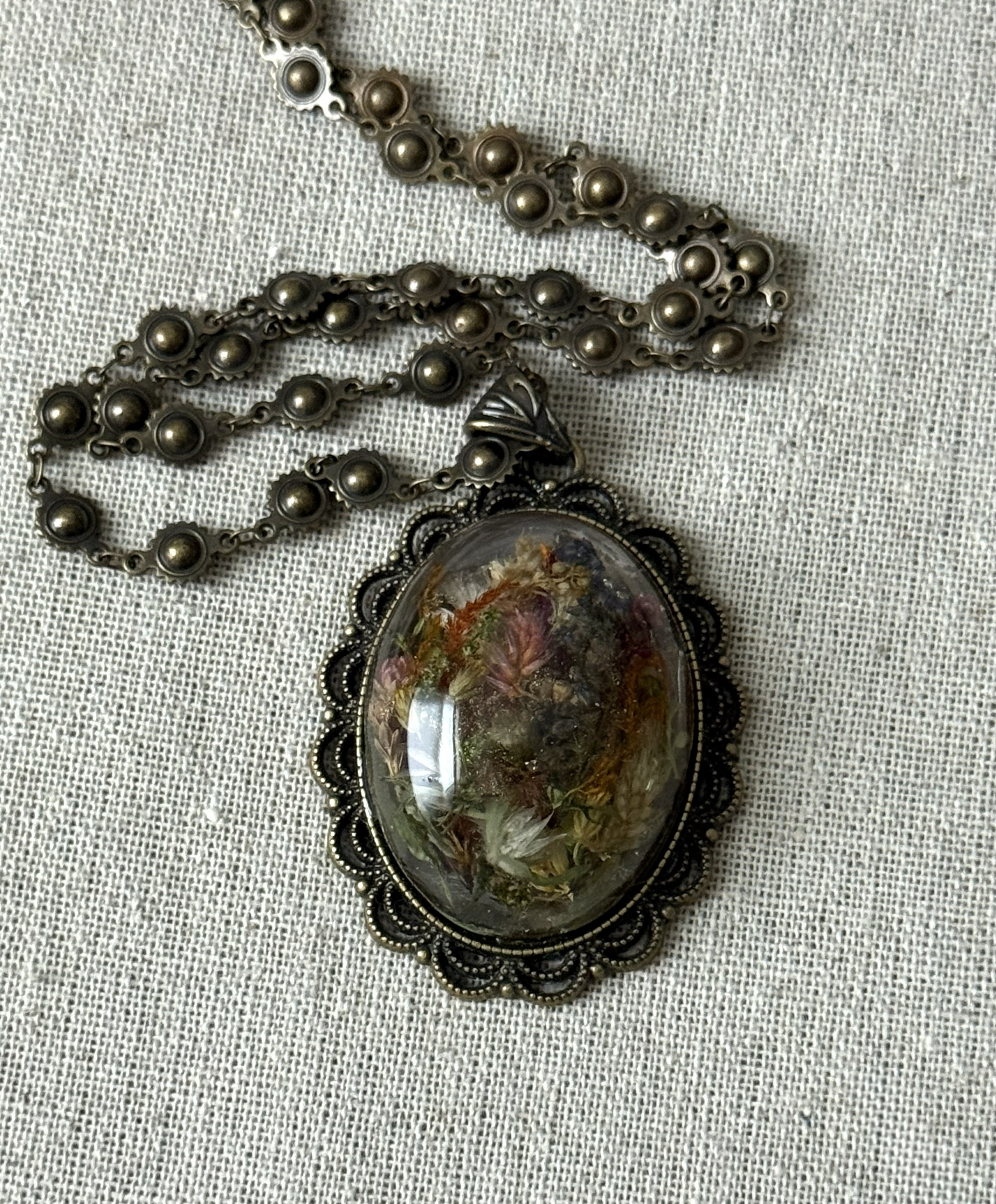
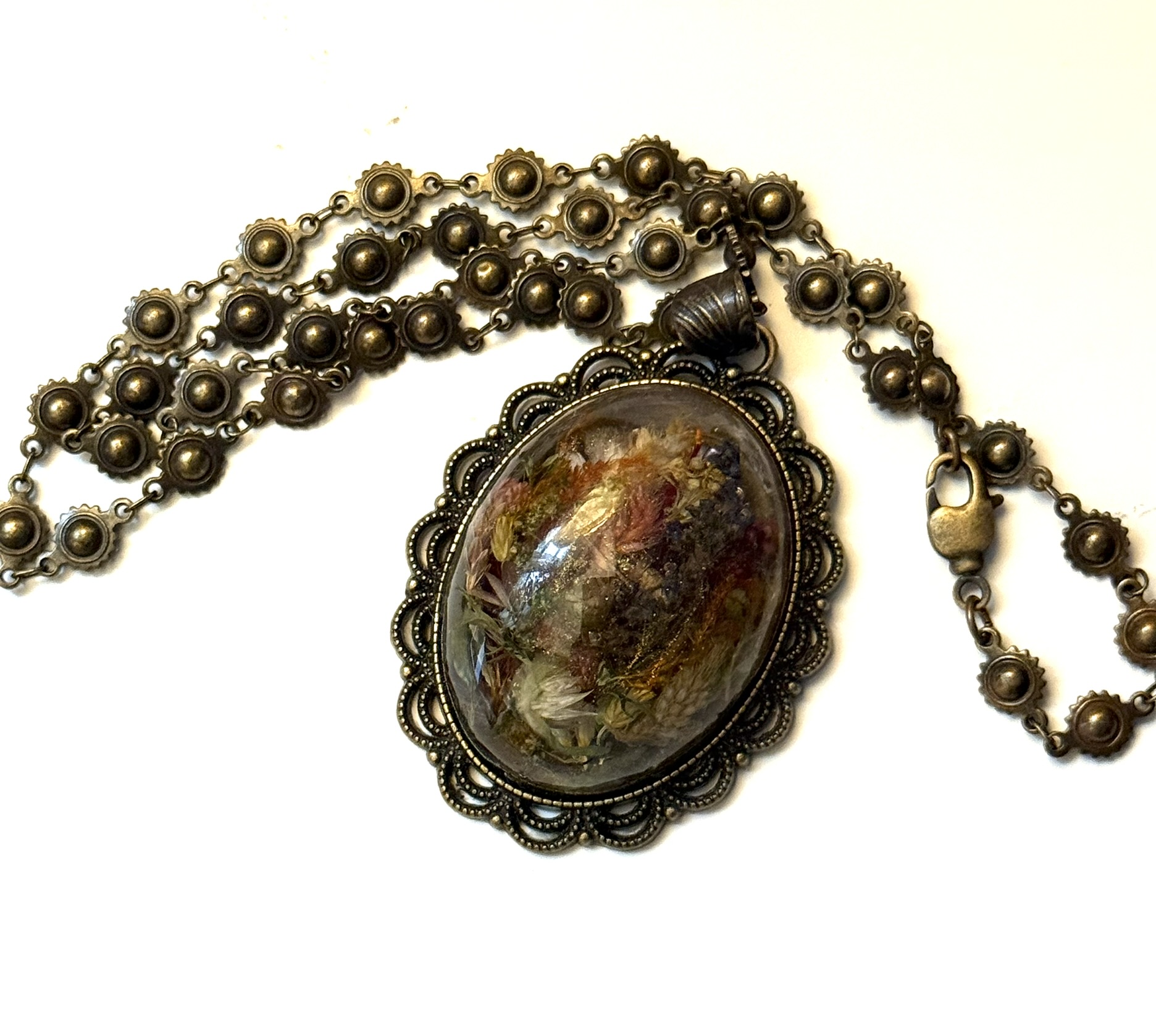
'Floriography'
Victorian floriography was the public face of something much older. Before that there was the Ottoman selam — the art of secret messages sent through objects, including flowers, a practice so sophisticated that entire silent conversations could be conducted between women in harems where no other communication was permitted. Before that: Rumi, Hafiz, Sa’di — the Persian poets writing of the rose as code for the divine, the lily as longing, the thorn as the price of love.
The European Victorian codification — with its dictionaries, its calling-card-sized bouquets, its elaborate conventions about which flowers could be combined — was an attempt to make official what women had always done informally: communicate meaning through what they grew and carried, because the direct channels were often closed to them. A woman who could not speak could hand you a specific flower. The flower spoke everything.
Every woman who has ever handed someone a flower rather than finding the words was participating in the oldest form of feminine communication. The language did not begin in England in 1820. It began whenever the first woman decided that what she felt was too important to leave unsaid, and reached for the nearest flower.
This is for the woman who has always spoken most clearly through what she grows.
G2 · GB · C · FC · FMN · GH · G · V · F3 · FF · L3 · S3 · CEDAR · A4 · S4 · PINEAPPLE SAGE · D5 · Resin · Bronze setting
$395
Each piece is singular and unrepeatable.
When it finds its person, it is gone.
Codex
SU25 · BLV · BR · G2/GB/C/FC/FMN/GH/G/V/F3/FF/L3/S3/CEDAR/A4/S4/PINEAPPLE SAGE/D5 · PTL+STM+LF · OADR+HNG+PND · DP · CRSH/PTL/WHL · glddst
Recognition · Remembrance · Sacred