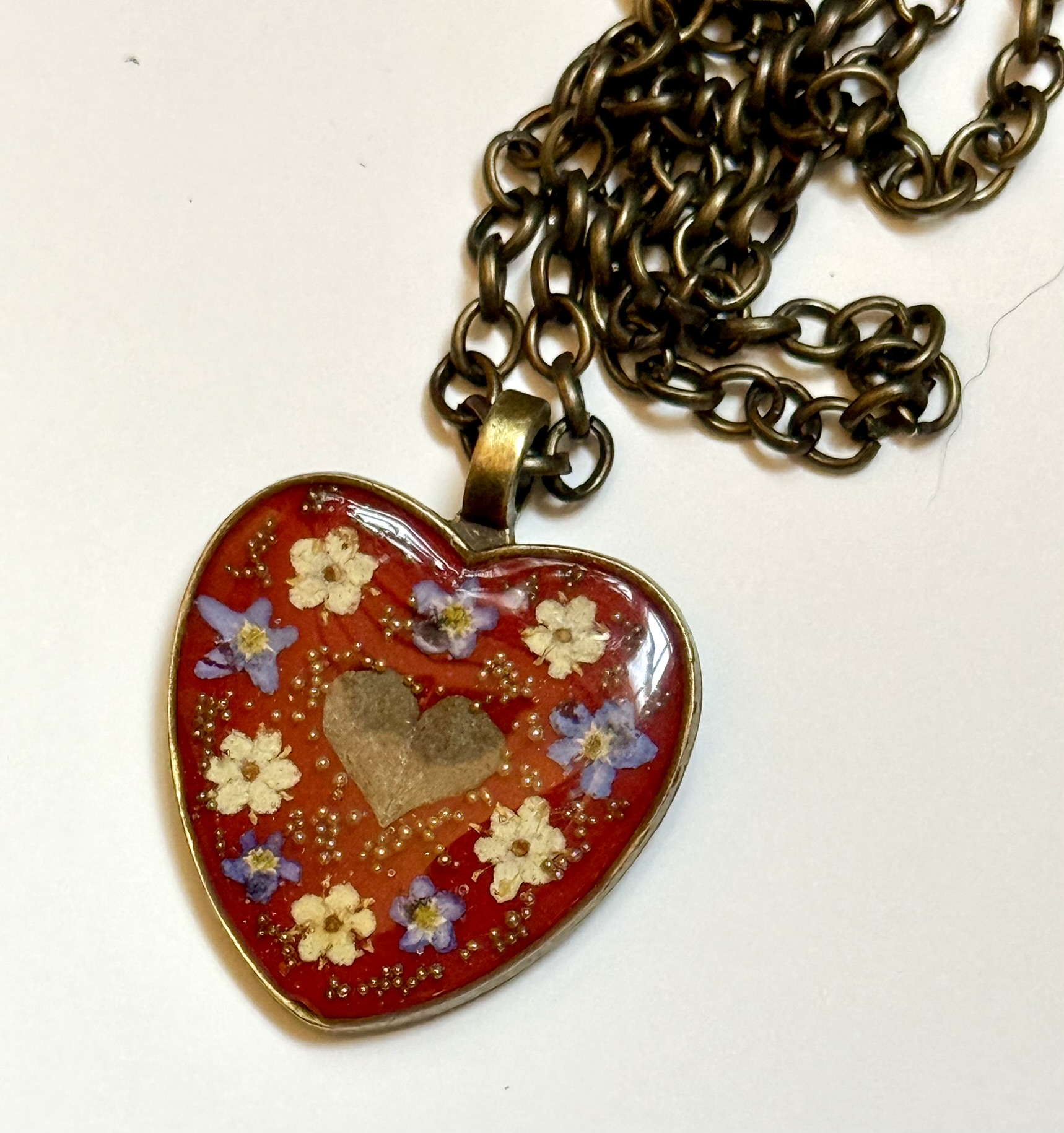
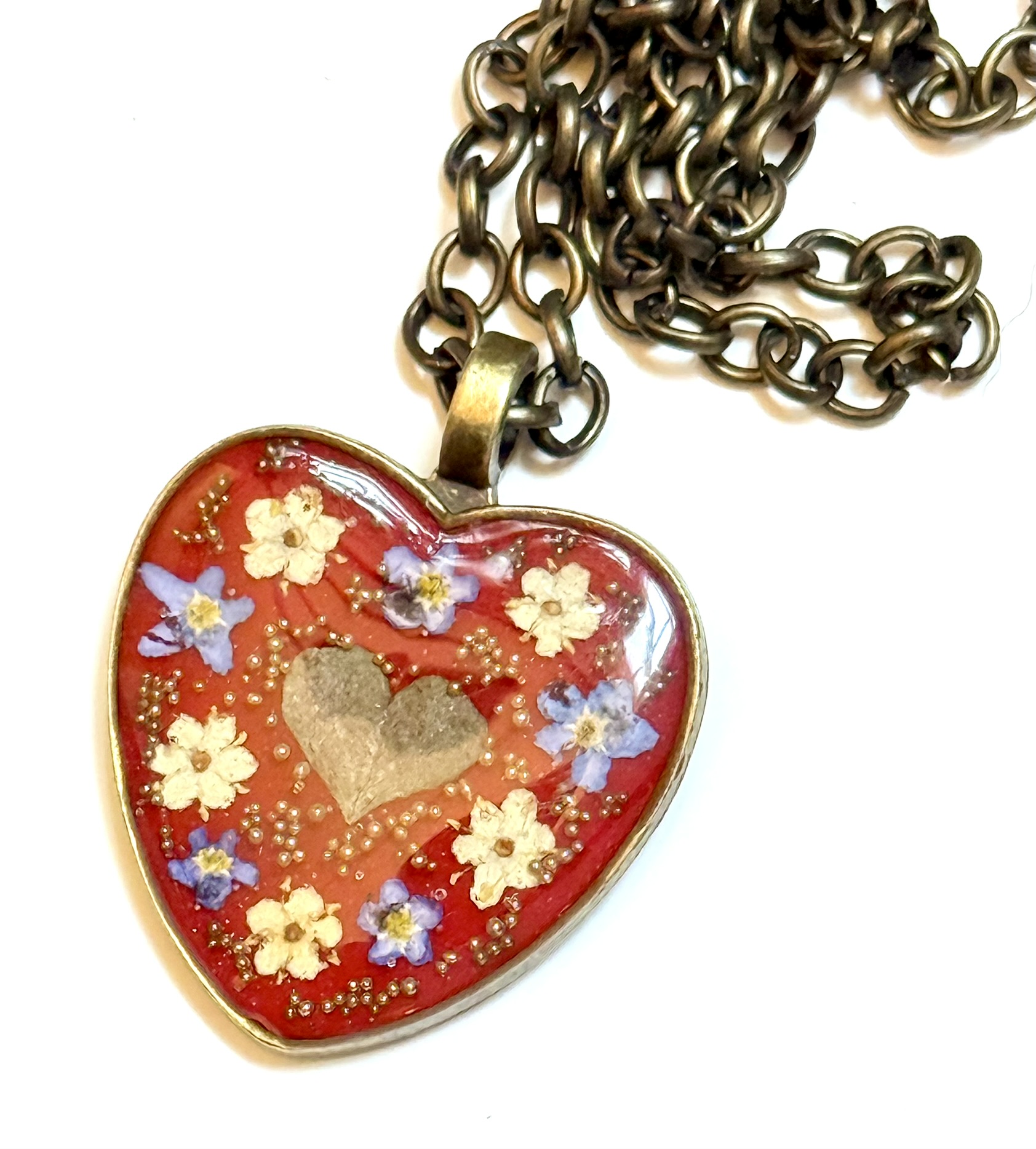
'The Generous Heart'
Marcel Mauss’s The Gift — the 1925 anthropological study that changed the understanding of exchange — argued that gift-giving in traditional societies was never purely generous and never purely transactional. The gift created obligation, connection, relationship. The point was not the object but the bond it activated. The circulation of gifts through a community was the mechanism of social cohesion itself. Generosity was not a virtue practiced over others. It was the technology that held communities together.
The flowers demonstrate this biologically. The bloom exists to attract, to invite, to create relationship between the plant and the bee, the plant and the wind, the plant and the bird. The generosity is the mechanism of continuation. What the flower gives is how the flower persists. The extravagance of spring — the abundance, the color, the apparent wastefulness of producing more blooms than any pollinator could visit — is not inefficiency. It is the strategy of a thing that understands that generosity is the most reliable form of propagation.
Some organisms are built this way at the most fundamental level. Recognizing it as a form of power rather than a form of naivety is a significant shift.
This is for the woman whose generosity is not a practice — it is who she is, constitutionally — and who is learning to see that as the strength it actually is.
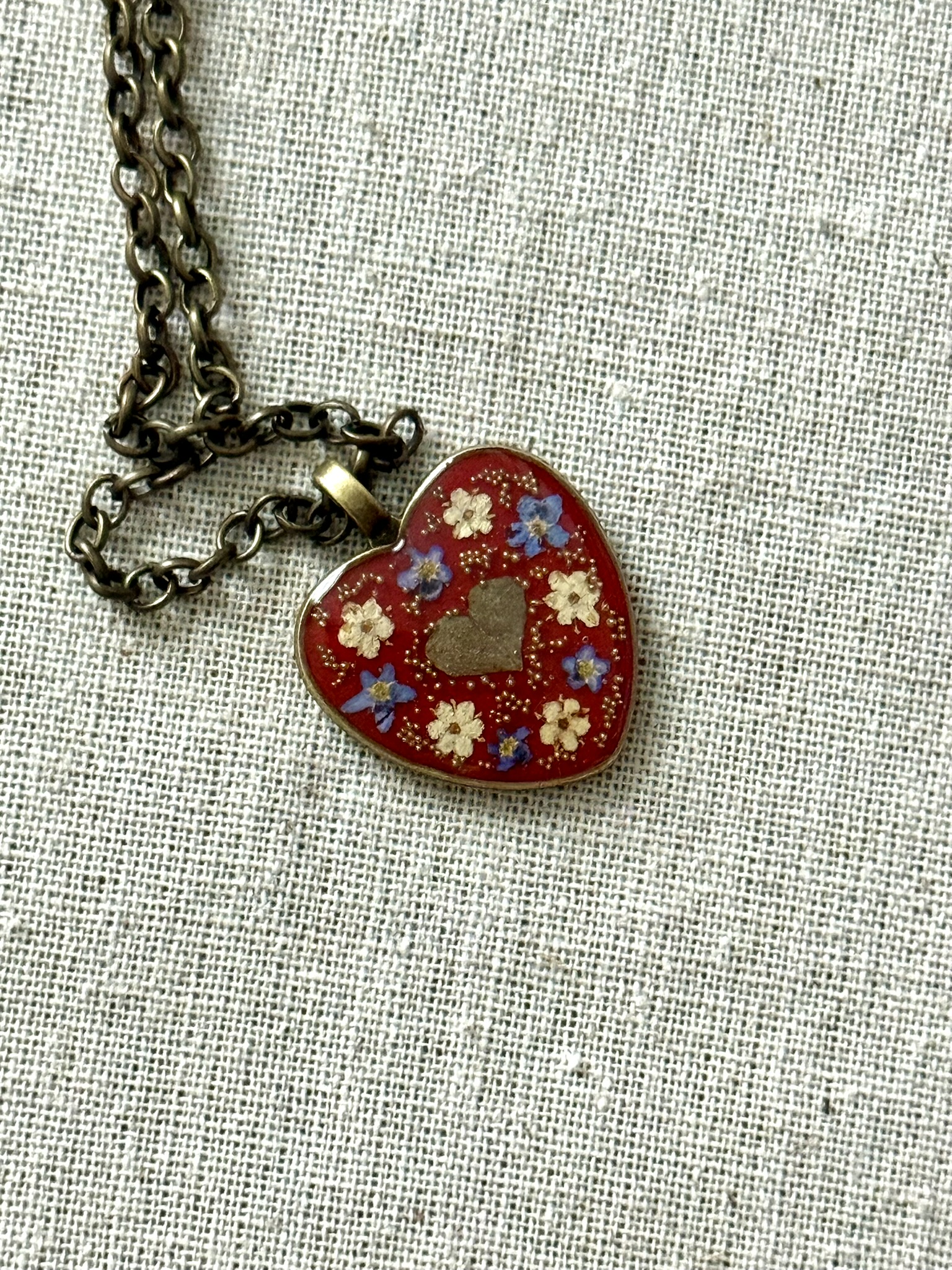
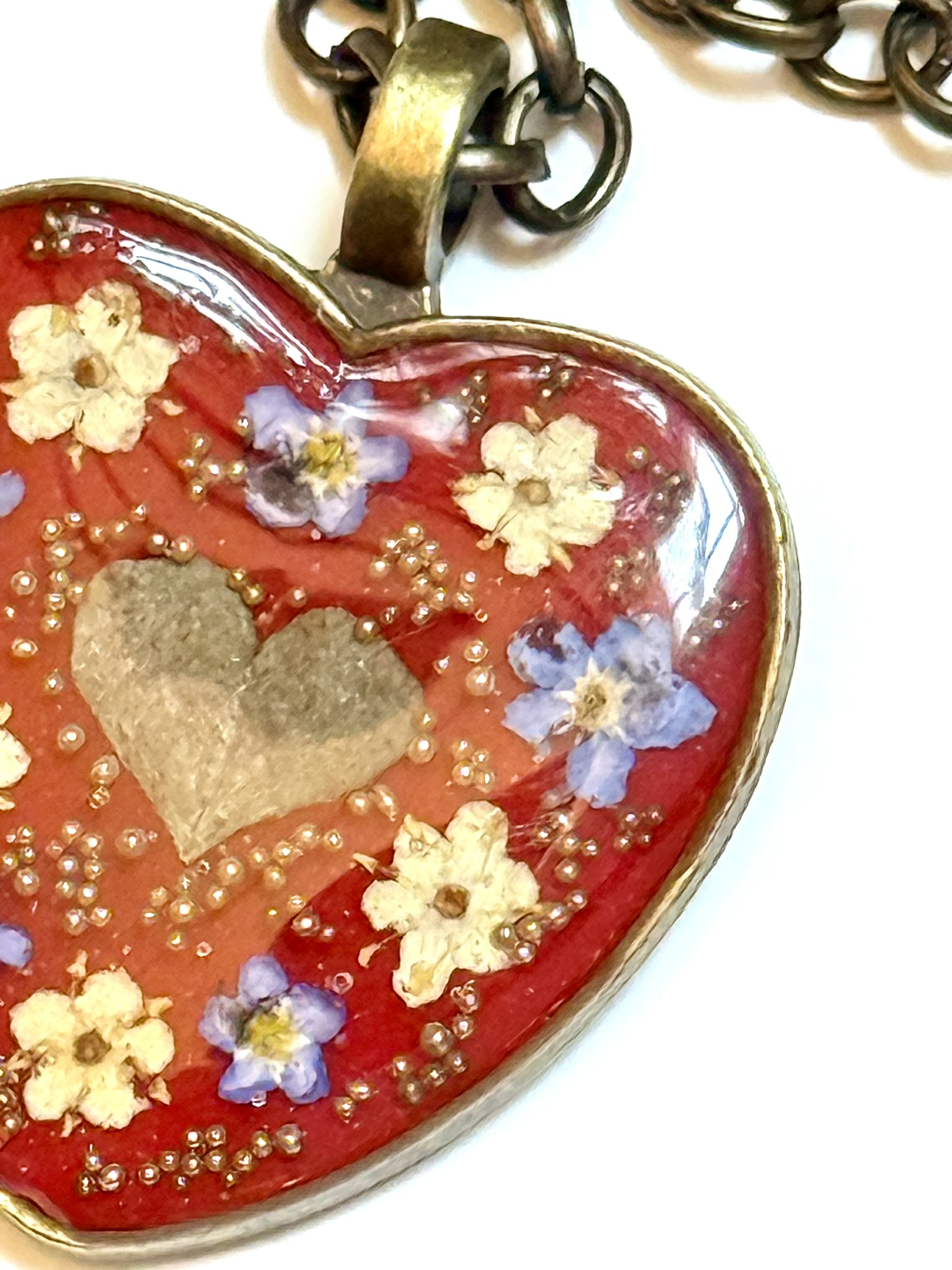
EF · FMN · WOOD SORREL · Resin · Bronze setting
$185
Each piece is singular and unrepeatable.
When it finds its person, it is gone.
Codex
SU25 · XOX · BR · heart · EF/FMN/WOOD SORREL · LF · PRS+PND · SHLW · WHL · gb