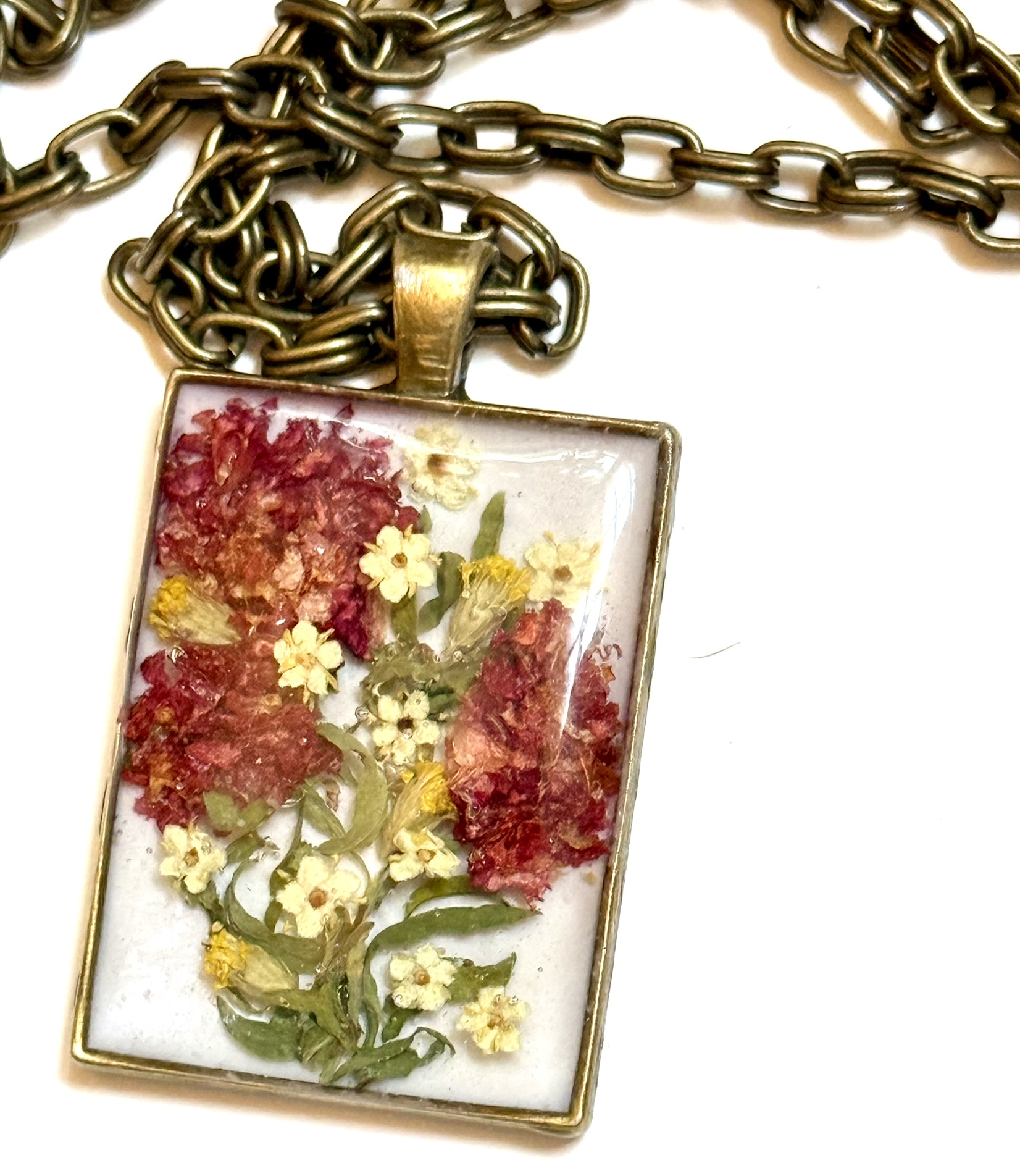
'The Things We Pass By'
Walter Benjamin — the German philosopher who spent his life thinking about cities, objects, and what modernity does to perception — wrote about the flâneur: the person who wanders without destination, with the specific practice of remaining available to what presents itself. Not looking for anything in particular. Not going anywhere in particular. Moving slowly enough that the world can interrupt them. He was not describing leisure. He was describing a discipline of perception so radical it had to masquerade as wandering.
Every indigenous tradition that has survived has at its center some version of this practice: the Aboriginal Australian concept of “reading country,” the tracking traditions of the Pacific Northwest, the plant knowledge systems that require years of sitting with a single species before you have learned what it has to teach. The prerequisite is always the same. You must slow down. You must stop deciding in advance what is important. You must be willing to be interrupted by what is actually there.
The treasure was always in the passing-by. You were walking through it. The question was only whether you were moving slowly enough to receive it.
This is for the woman who has learned to let the world interrupt her — because the interruption is always the point.
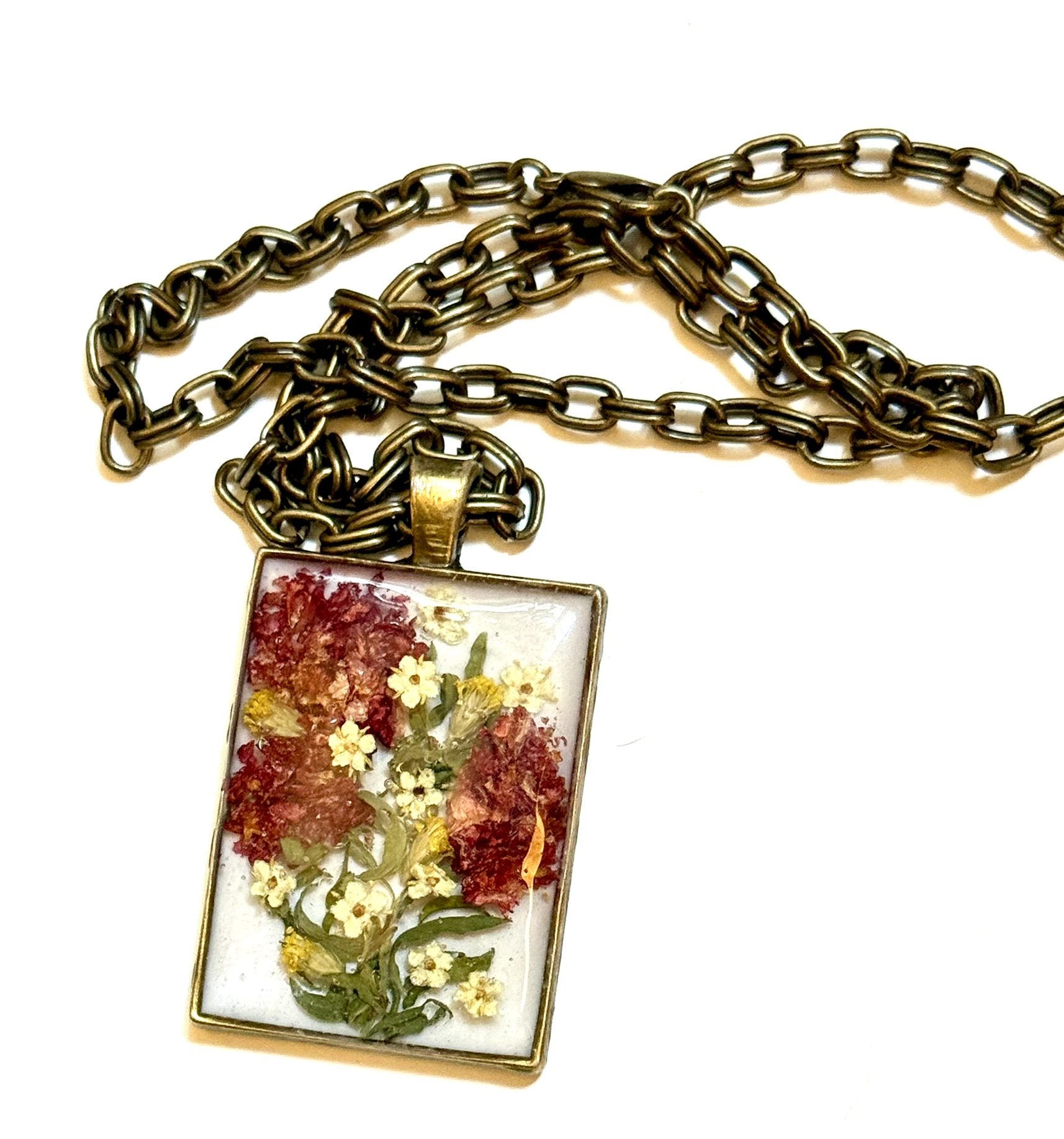
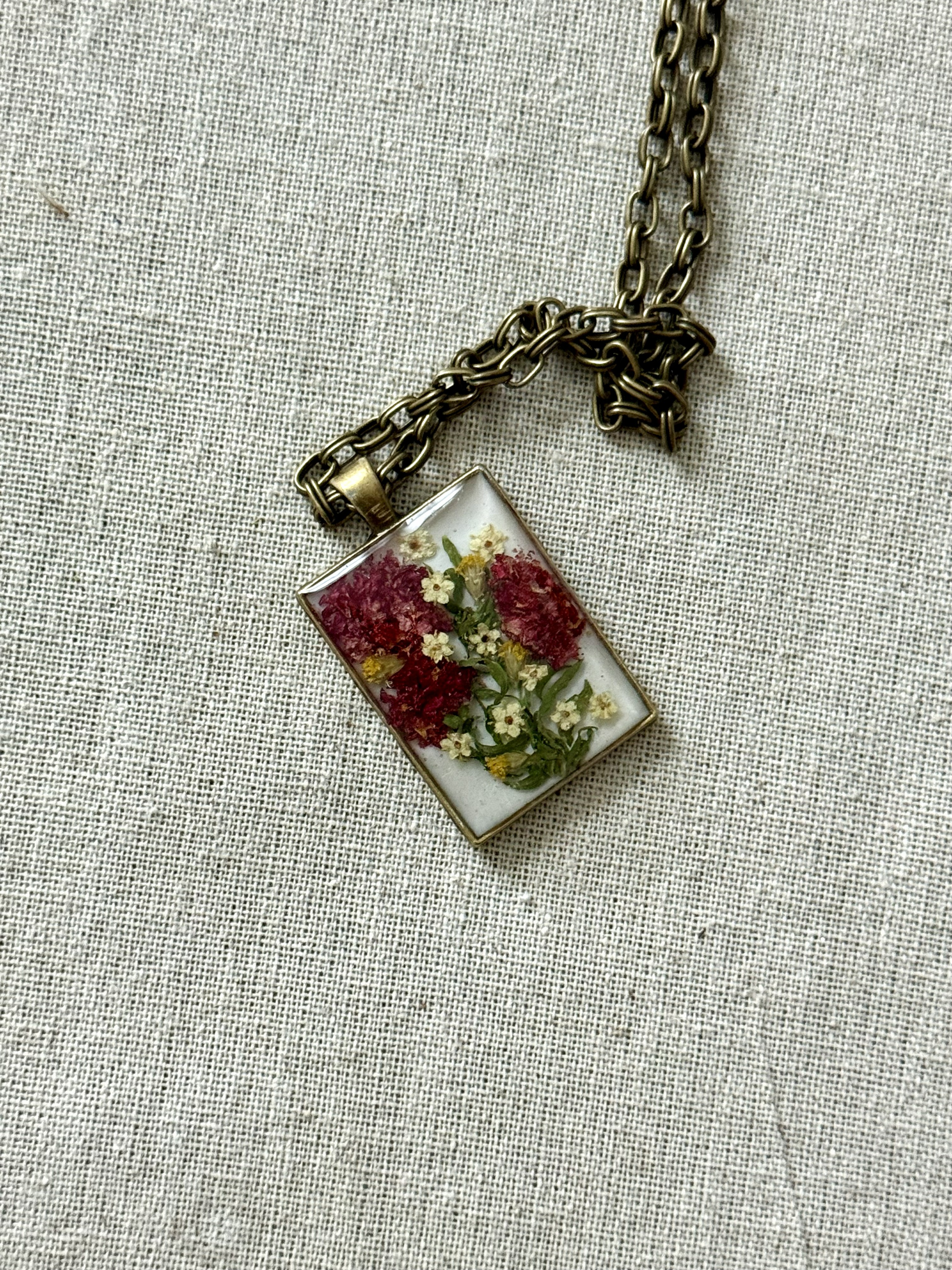
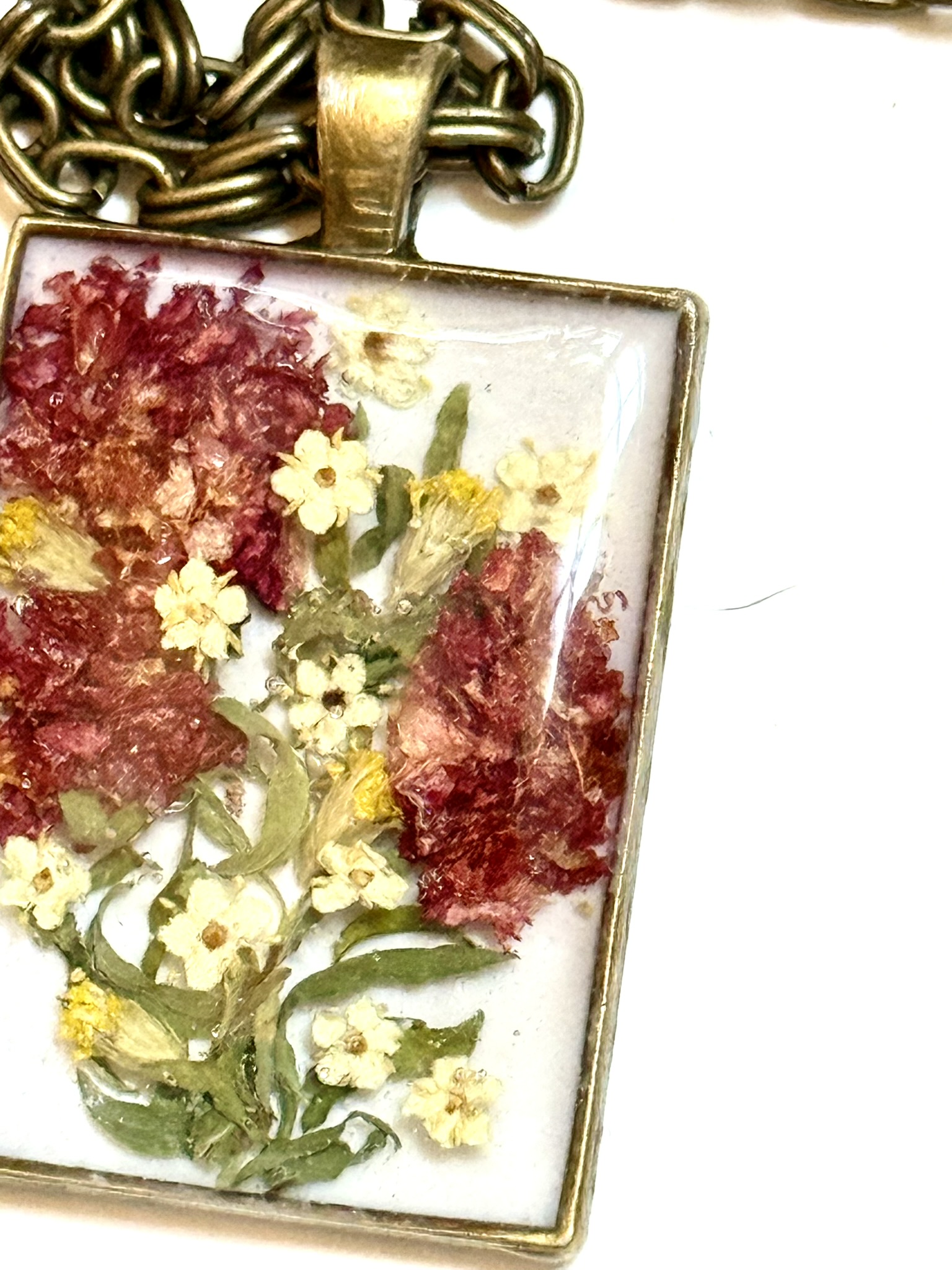
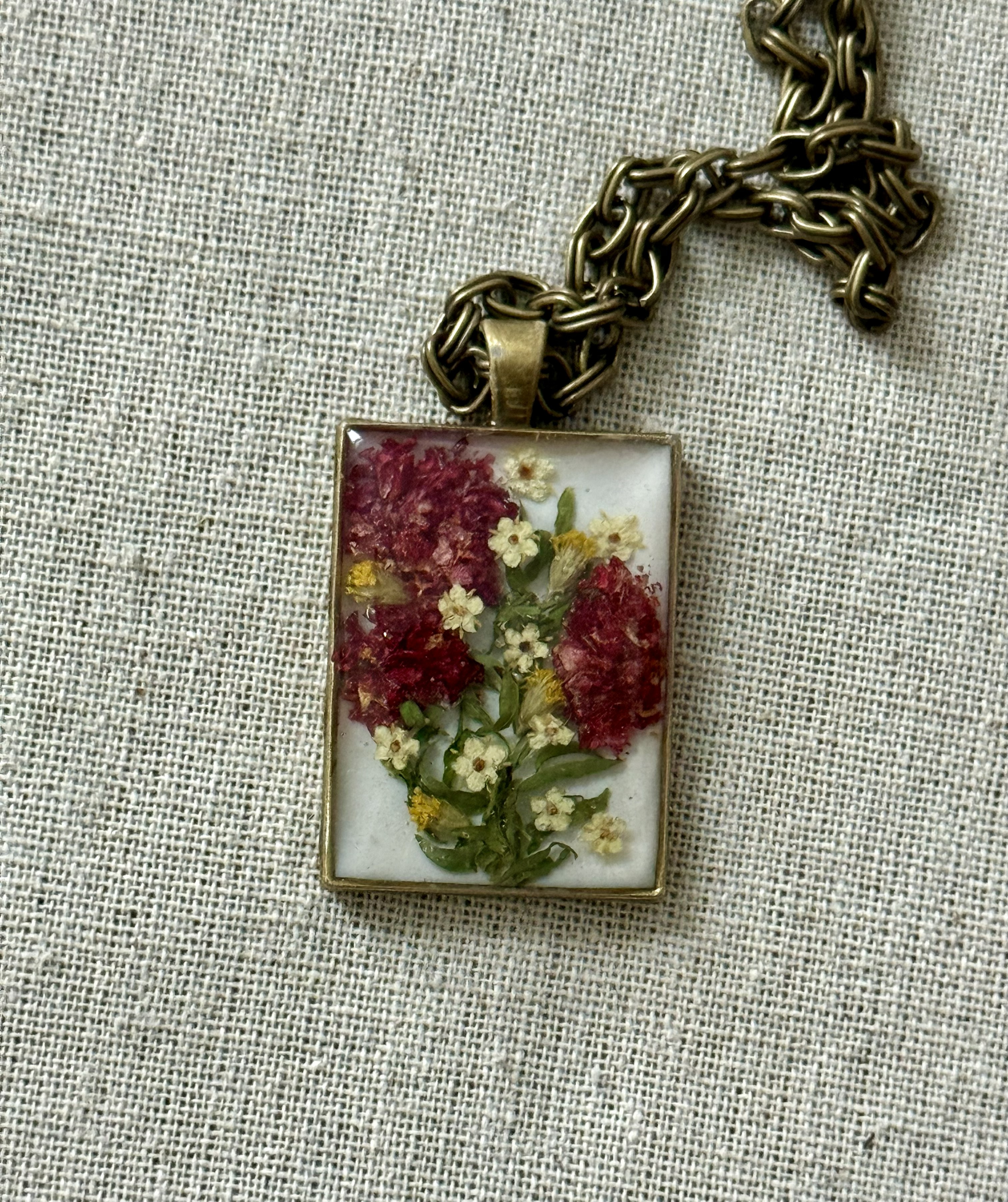
PBLSM · EF · Y · S3 · Resin · Bronze setting
$325
Each piece is singular and unrepeatable.
When it finds its person, it is gone.
Codex
SP25 · ROY · BR · rectangle · PBLSM/EF/Y/S3 · PTL+LF · DHY+SLCA+PND · MED · CRSH/PCS/PTL
Recognition · Awakening · Whispered